Natural Filter Reportedly Cleaning South African River with Critical Bacteria Levels
Reports have emerged of a South African river facing critical bacterial contamination, with levels described as being 'off the charts'. However, an intriguing natural filtration process is reportedly helping to clean the water system.
On 13 August 2026, reports emerged of a South African river facing critical pollution levels, with a bacteria count described as being "off the charts." However, an intriguing ecological development has surfaced: a natural filter is reportedly at work cleaning the water system. This development, first highlighted in an opinion piece by Independent Online (IOL), has sparked interest across the country's environmental and scientific communities.
According to the initial reports published in South Africa, the unnamed river is dealing with severe bacterial contamination. While the specific biological contaminants—such as Escherichia coli (E. coli) or other pathogens—have not been individually detailed in the preliminary public report, the description of the bacteria count as "off the charts" points to a severe ecological crisis. What makes this case particularly notable is the intervention of a natural filtration mechanism, though the exact nature of this filter remains to be fully disclosed.
In the broader South African environmental context, natural filtration systems typically refer to wetlands, reed beds, or specialized riparian vegetation. These ecosystems act as nature's kidneys, trapping sediment, absorbing excess nutrients, and neutralizing harmful pathogens through biological processes. While the specific type of natural filter operating in this newly reported case has not been specified, environmentalists often advocate for these green infrastructure solutions as cost-effective alternatives to failing municipal wastewater treatment works.
River health is a critical issue across South Africa, where many water systems are under severe stress due to failing infrastructure, agricultural runoff, and industrial waste. Reports of high bacteria counts are unfortunately common in many metropolitan and rural catchments. The mention of a natural filter successfully cleaning a heavily contaminated river offers a glimmer of hope, but it also raises urgent questions about the scale of the filtration and whether it can be replicated in other polluted watercourses across the provinces.
Because the initial coverage from IOL was presented as an opinion piece on 13 August 2026, several key scientific details remain unconfirmed. The public has not yet been briefed on the exact geographic location of the river, the specific measurements of the bacterial load, or the timeline of the natural cleanup process. Additionally, it is unclear whether this natural filter is an established wetland that has adapted to the high pollution load, or a newly introduced biological intervention designed by conservationists.
For South Africans living near polluted water sources, the health of local rivers is a matter of direct daily concern. Contaminated water poses severe risks to public health, agriculture, and local wildlife. If a natural filtration system is indeed successfully mitigating "off the charts" bacterial levels, understanding how it functions could assist local municipalities and environmental non-governmental organisations (NGOs) in managing other threatened catchments. However, reliance on natural filters must not replace the urgent need to stop pollution at its source.
Moving forward, water quality experts, local authorities, and the public will be watching closely for more detailed scientific reports. Independent testing and official statements from the Department of Water and Sanitation (DWS) or local catchment management agencies will be crucial to verify the efficacy of this natural filter. Comprehensive data sharing is essential to confirm whether the water has indeed returned to safe contact standards and to determine the long-term viability of this natural purification process.
Reporting record
How this story was produced
This article was AI-generated from the frozen trend evidence and passed deterministic quality and safety gates. No cross-provider evidence review or independent human verification is claimed for this record.
- Byline
- Newstrends AI Newsroom
- First published
- Last material update
- No later material update recorded
- Distinct source identifiers
- 1 retained source identifier
Frozen source links for this publication
Chronology
Story timeline
A generated chronology for orientation; dates and details may require source verification.
Update
Independent Online (IOL) publishes a report highlighting a South African river with critical bacteria levels being cleaned by a natural filter.
Reader file
Frequently asked questions
01Which South African river has the high bacteria count?
The specific name and geographic location of the river have not been disclosed in the initial reports.
02What type of natural filter is cleaning the river?
The exact biological or physical mechanism of the natural filter remains unconfirmed, though natural filtration in river systems typically involves wetlands or specialized vegetation.
03When was this environmental development reported?
The report was published by Independent Online (IOL) on 13 August 2026.
Keep reading
Related coverage
More published reporting connected to this story.
Why an Underrated Apple Device May Be a Smarter Choice for South Africans Than the MacBook Neo
A new report from South African media outlet IOL suggests that an underrated Apple device offers better value than the MacBook Neo. As local consumers face high tech costs, this comparison highlights more affordable ways to access the Apple ecosystem.
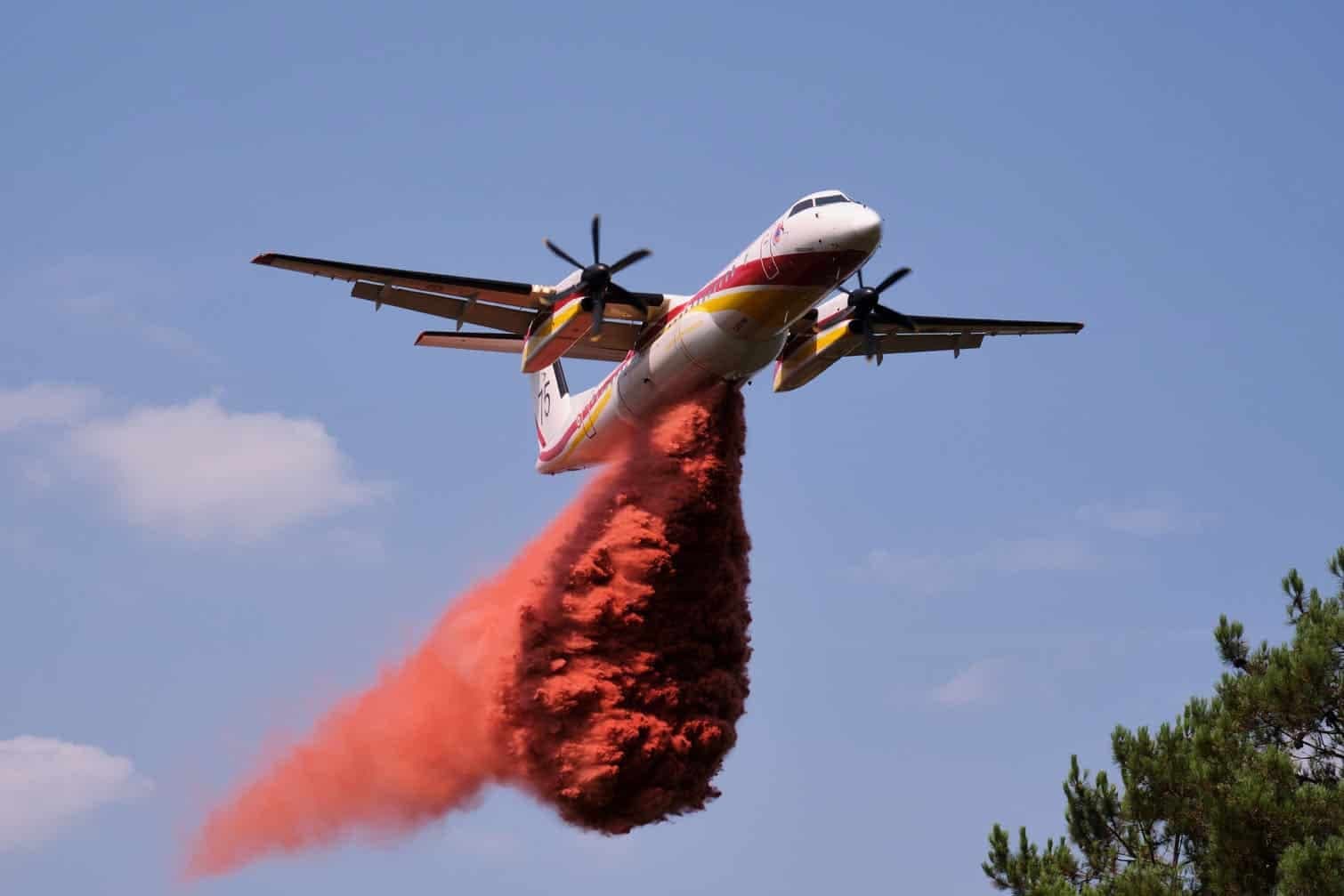
The Power of Photojournalism: The Citizen Captures Global Events and Firefighting Efforts on 30 July 2026
Media outlet The Citizen published its '24 hours in pictures' gallery on 30 July 2026, highlighting significant global events. Among the featured images is a striking depiction of aerial firefighting, emphasizing the ongoing challenges of the dry winter season.
Cash-in-Transit Robberies Surge in South Africa with Nearly 120 Incidents Reported
Reports indicate a worrying surge in cash-in-transit (CIT) robberies across South Africa, with nearly 120 incidents documented. The rising figures highlight ongoing security challenges and the sophisticated nature of criminal syndicates targeting financial logistics.
How Does Repatriation Work in South Africa? The Process Explained
A guide published on 12 August 2026 outlines the complex administrative process of repatriation in South Africa. The procedure involves coordination between DIRCO and Home Affairs, though many operational details and costs remain complex for citizens abroad.

Could South Africa Build Its Own Blue Zone? A New Proposal Sparks Longevity Conversations
A proposal to establish a longevity-focused 'Blue Zone' in South Africa has sparked widespread interest. The concept, which emphasizes community-driven wellness and healthy living, offers a fresh perspective on public health.