Open Excavation Crisis Escalates in City of Tshwane as Safety Concerns Rise
Reports from August 2026 highlight a worsening infrastructure safety crisis in the City of Tshwane due to unsecured open excavations. Residents face mounting hazards as key details regarding municipal accountability and affected locations remain unclear.
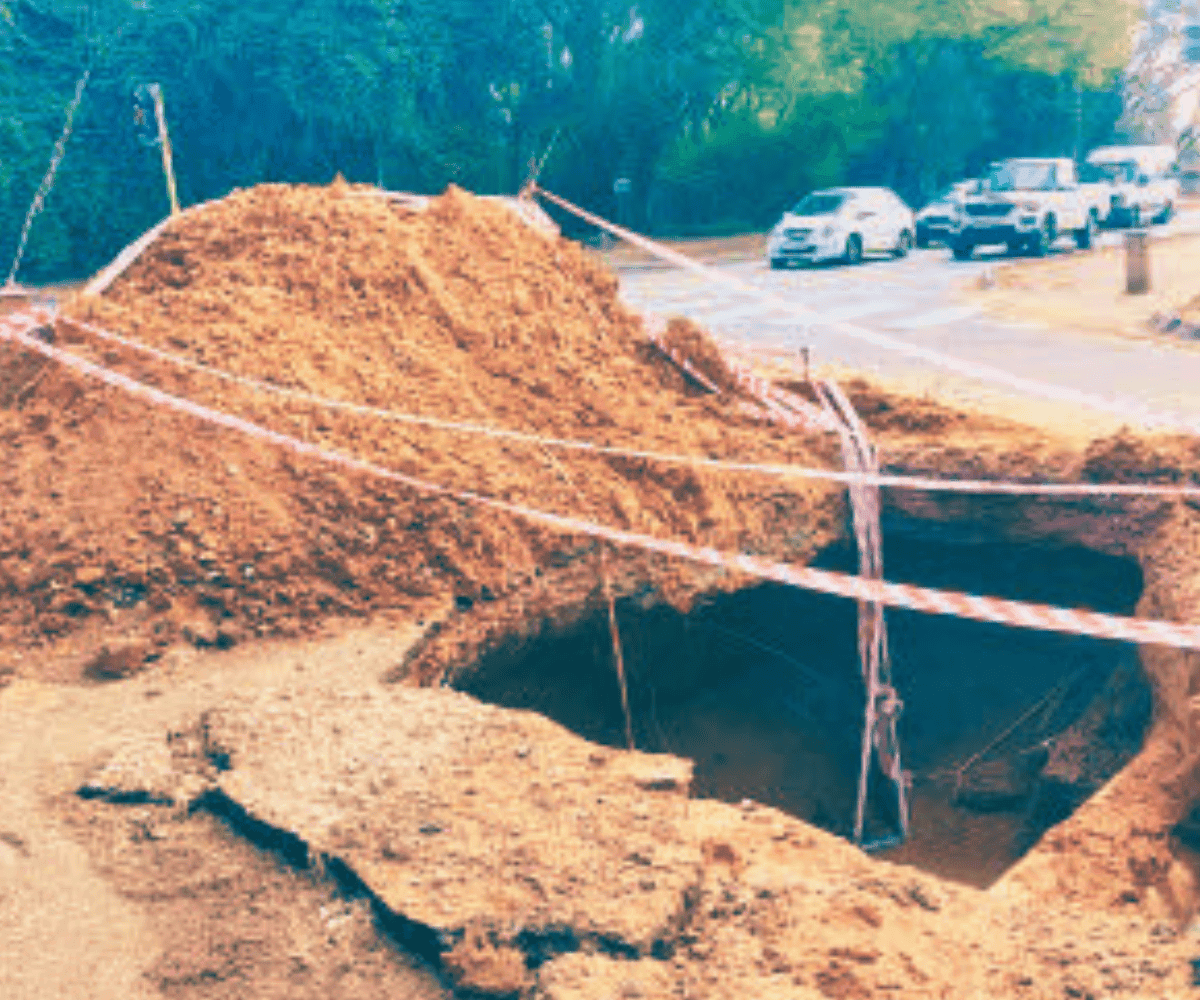
A report published on 21 August 2026 has highlighted a growing public safety and service delivery concern in Gauteng, indicating that the open excavation crisis is escalating across the City of Tshwane. The issue, which has gained significant traction online, underscores the mounting challenges faced by the metropolitan municipality in managing its public infrastructure and ensuring the safety of its residents. While initial reports have drawn widespread attention to the situation, many details regarding the specific suburbs affected and the exact scale of the unfinished works remain to be fully clarified by local authorities.
Open excavations typically refer to trenches, holes, and pits dug up for utility maintenance—such as repairing burst water pipes, upgrading electrical cables, or laying telecommunications infrastructure—that are subsequently left unfilled or unsecured. In a major metropolitan area like Tshwane, which encompasses Pretoria and surrounding areas, these open sites pose immediate physical dangers. Without proper barriers, warning tape, or night-time lighting, these excavations become hazardous traps for pedestrians, cyclists, and motorists navigating the city's roads and pavements.
Despite the escalating nature of the crisis, the current data does not specify the exact number of open excavations currently scattered across the municipality, nor does it identify which specific municipal departments or private contractors are responsible for leaving the sites incomplete. It remains unclear whether the escalation is due to a sudden increase in emergency infrastructure repairs, a shortage of backfilling materials, or a systemic failure in contractor oversight and project management within the City of Tshwane.
The practical implications of unsecured trenches in South African municipal areas are well-documented. Beyond the obvious risk of physical injury, open excavations can severely disrupt local traffic flow and restrict access to residential properties and business premises. During the rainy season or sudden downpours, these open pits can fill with water, creating hidden drowning hazards and undermining the structural integrity of surrounding roads, which often leads to further sinkholes or road collapses.
From a municipal governance perspective, the escalation of such a crisis points to potential gaps in the City of Tshwane’s service delivery monitoring systems. Ideally, municipal guidelines require that any excavation on public land be secured immediately and backfilled within a specified timeframe once repairs are completed. When these protocols are not enforced, it often signals budgetary constraints, contractual disputes with service providers, or a backlog in municipal maintenance departments tasked with finalising road reinstatements.
For residents of the City of Tshwane, navigating these hazards has become a daily frustration. In many local communities, active civic groups and ward councillors frequently raise alarms about neglected municipal works, urging the local government to hold negligent contractors accountable. However, without a centralised and transparent system to track and report open excavations, residents are often left in the dark about when outstanding work in their specific neighborhoods will be resolved.
Going forward, observers and residents will be watching closely for an official response or remedial action plan from the City of Tshwane's leadership. Key areas to monitor include whether the municipality will launch an audit of all active and abandoned excavation sites, allocate emergency funding to secure hazardous areas, or penalise contractors who fail to adhere to safety regulations. Transparent communication from city officials will be crucial in restoring public confidence and ensuring community safety.
In conclusion, the escalating open excavation crisis in the City of Tshwane serves as a stark reminder of the complexities of urban infrastructure maintenance in South Africa. While the full extent of the problem and the city's planned intervention remain to be detailed, the situation highlights the urgent need for robust oversight, stricter contractor accountability, and prompt service delivery to protect the well-being of the capital city's residents.
Reporting record
How this story was produced
This article was AI-generated from the frozen trend evidence and passed deterministic quality and safety gates. No cross-provider evidence review or independent human verification is claimed for this record.
- Byline
- Newstrends AI Newsroom
- First published
- Last material update
- No later material update recorded
- Distinct source identifiers
- 1 retained source identifier
Frozen source links for this publication
Chronology
Story timeline
A generated chronology for orientation; dates and details may require source verification.
Update
Reports emerge highlighting the escalating open excavation crisis in the City of Tshwane.
Reader file
Frequently asked questions
01What is the open excavation crisis in the City of Tshwane?
It refers to an escalating issue where trenches and holes dug for municipal utility repairs or maintenance are left open and unsecured, posing safety risks to the public.
02Which areas in Tshwane are most affected?
The specific suburbs and exact locations affected by the escalating crisis have not been detailed in the initial reports.
03What are the main risks associated with these open excavations?
Unsecured excavations pose physical hazards to pedestrians and motorists, can fill with water to create drowning risks, and can damage surrounding road infrastructure.
Keep reading
Related coverage
More published reporting connected to this story.
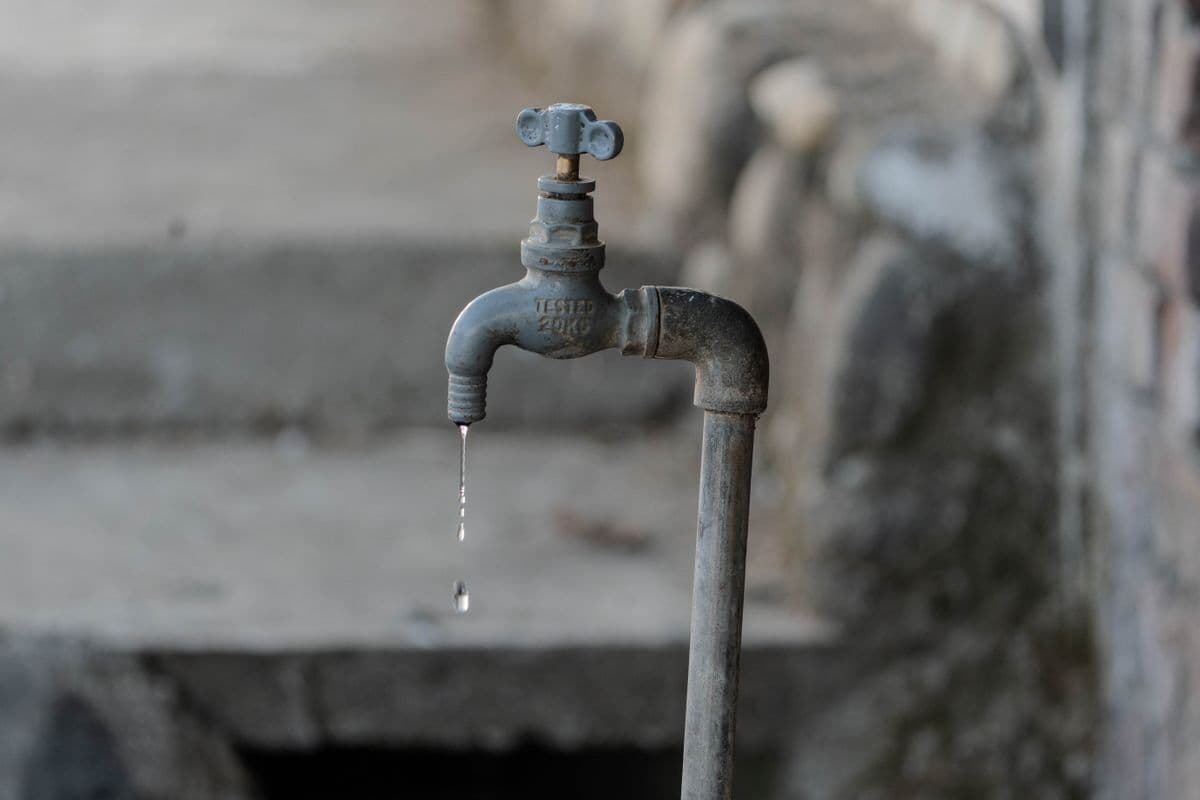
City of Tshwane to Implement 14-Hour Water Outage
The City of Tshwane is preparing for a scheduled 14-hour water outage, raising concerns for local residents and businesses. While specific affected areas and technical reasons remain unconfirmed, citizens are advised to prepare in advance.
Investigation Reopened Into Devastating Johannesburg Inner-City Fire That Killed 76
Authorities have officially reopened the investigation into the tragic Johannesburg building fire that claimed 76 lives. The move marks a crucial step toward accountability, though specific details on new evidence remain undisclosed.
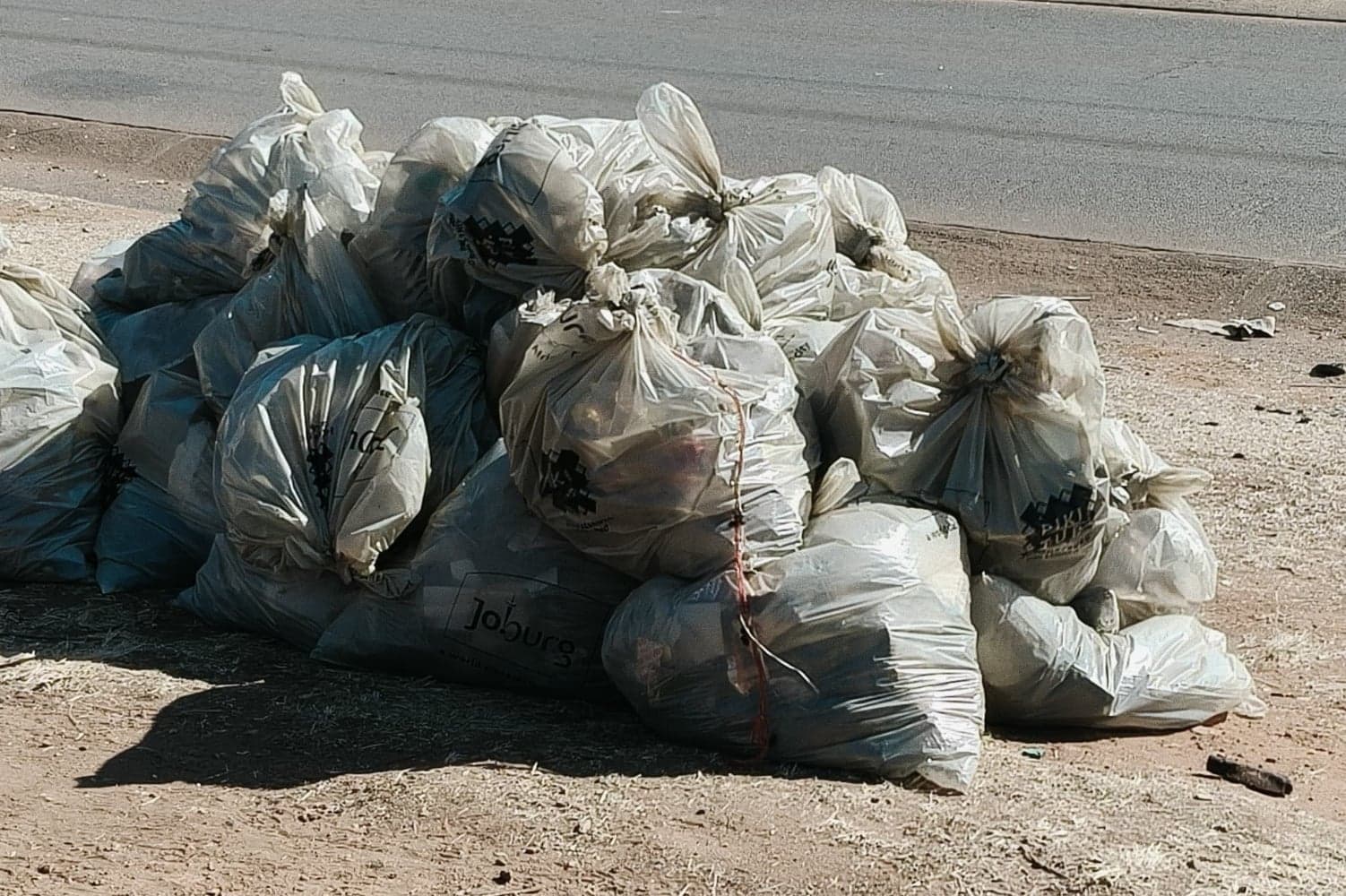
Pikitup Addresses Johannesburg Refuse Backlog With Expected Clearance Timeline
Johannesburg’s waste utility, Pikitup, has indicated when it expects to clear the refuse collection backlog currently affecting several suburbs. While a recovery plan is underway, residents are advised to monitor official channels for localized service schedules.

Cape Town Suburbs Face Planned 15-Hour Water Disruption This Weekend
Several Cape Town suburbs are preparing for a scheduled 15-hour water service disruption this coming weekend. While specific affected areas and exact times remain to be fully detailed, residents are urged to prepare in advance.

Music Festival Abruptly Cut Short in South Africa Following Two Tragic Deaths
A music festival has been shut down prematurely following the tragic deaths of two individuals, according to reports on 2 August 2026. While key details regarding the venue and cause of death remain unconfirmed, the incident has raised urgent questions about public event safety.