Debate Sparks Over Resilience of South Africa's Education System
A national debate has emerged following reports challenging the narrative that South Africa's education system has collapsed. While systemic challenges like school violence and bullying persist, analysts urge a more nuanced view of the sector's resilience. The discussion highlights the need for empirical data to assess the true state of public schooling.
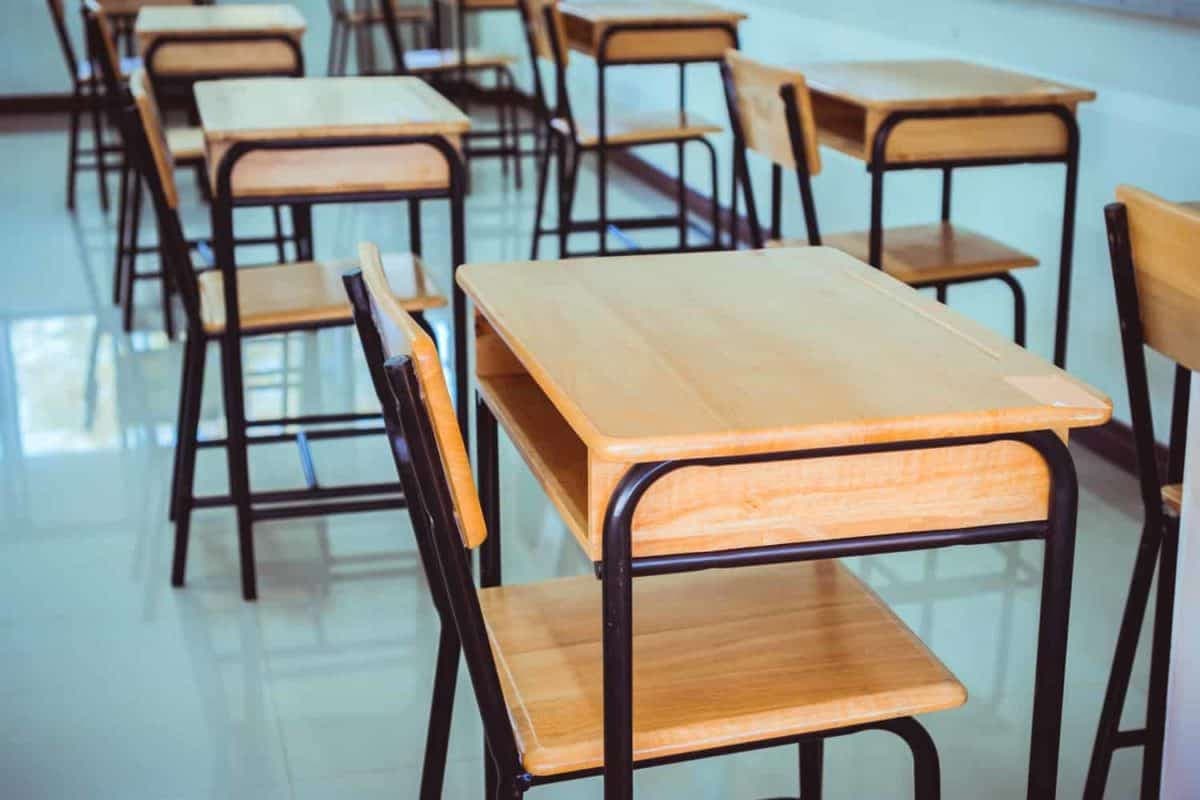
On 14 August 2026, a prominent discussion emerged in South African media challenging the widespread narrative that the country's basic education system has completely collapsed. Published by national outlet The Citizen, the perspective titled "SA’s education system has not collapsed" has sparked fresh debate among parents, educators, and policy analysts across the country. This intervention comes at a crucial time when public confidence in state institutions is frequently tested, prompting a closer look at what is actually happening inside South Africa's classrooms.
The debate over the state of South African education is highly polarized. On one side, critics frequently point to infrastructural backlogs, overcrowded classrooms, and poor literacy rates as evidence of a system in terminal decline. However, the counter-argument highlighted in recent media coverage suggests that labeling the entire system as a "collapse" is not only inaccurate but also overlooks the significant efforts and localized successes occurring daily within the public schooling sector.
Associated with this discussion are critical issues concerning the school environment itself, including safety, bullying, and violence in schools. Data linked to the coverage highlights that physical and emotional safety remains a major concern for South African learners. While these social ills undoubtedly disrupt learning and place immense pressure on teachers, defenders of the system argue that these societal challenges, while severe, do not equate to a total collapse of academic instruction and administration.
In analyzing these claims, it is important to distinguish between verified systemic data and ongoing public opinion. The immediate reports surrounding this debate do not provide specific new statistical metrics, such as updated matriculation pass rates, provincial budget allocations, or international test scores. Therefore, while the assertion that the system is holding up is being actively debated, the exact empirical evidence used by various stakeholders to support or refute this claim remains a subject of ongoing scrutiny.
For South African households, the practical implications of this debate are profound. Parents navigating the public school system are constantly forced to weigh negative media reports against their own children's experiences. If the system is indeed showing resilience rather than total failure, it suggests that current policy frameworks may have salvageable elements that require targeted support rather than a complete, disruptive overhaul.
Furthermore, the narrative of "non-collapse" invites a more nuanced approach to educational reform. By moving away from sensationalized language, policymakers and civil society organizations can focus on specific, addressable issues—such as school safety and teacher training—rather than treating the entire system as a lost cause. This shift in perspective is crucial for maintaining morale among educators who feel demoralised by persistent negative coverage.
Moving forward, South Africans should closely watch how the Department of Basic Education and independent educational bodies respond to these narrative shifts. Upcoming quarterly performance reports, infrastructure assessments, and school safety audits will be critical in determining whether the optimistic view of the system's survival is backed by measurable progress on the ground. Until then, the debate remains a vital reflection of the country's ongoing struggle to deliver quality education to all.
Reporting record
How this story was produced
This article was AI-generated from the frozen trend evidence and passed deterministic quality and safety gates. No cross-provider evidence review or independent human verification is claimed for this record.
- Byline
- Newstrends AI Newsroom
- First published
- Last material update
- No later material update recorded
- Distinct source identifiers
- 1 retained source identifier
Frozen source links for this publication
Chronology
Story timeline
A generated chronology for orientation; dates and details may require source verification.
Update
The Citizen publishes an article challenging the narrative of a collapsed South African education system, sparking national debate.
Reader file
Frequently asked questions
01What sparked the recent debate about South Africa's education system?
The debate was highlighted by a publication in The Citizen on 14 August 2026, which argued against the common narrative that the country's education system has completely collapsed.
02What are some of the key challenges associated with this discussion?
School safety, violence, and bullying remain prominent issues linked to the state of South African schools, heavily influencing public perception of the system's health.
Keep reading
Related coverage
More published reporting connected to this story.
SA Education Under Severe Strain But Not Collapsing, Analysis Shows
An analysis of South Africa's education system highlights that while public schools face immense strain, the sector is not on the brink of collapse. The perspective urges a balanced view of systemic challenges and resilience. Key details regarding specific provincial metrics and official responses remain open for further reporting.
Club Med SA Accused Insists Sex Was Consensual, Claiming Complainant Acted Voluntarily
An accused individual associated with a Club Med SA matter has denied sexual assault allegations, claiming the encounter was consensual. The defense hinges on the assertion that the complainant voluntarily participated in the act. Legal experts highlight the strict definitions of consent under South African law as the case gains public attention.
When Bullying Goes Unchecked: South Africans Increasingly Turn to the Law for Accountability
A report by the Saturday Star highlights a growing shift in South Africa where victims of unchecked bullying are bypassing institutional channels to seek legal justice. As internal anti-bullying measures fail, schools and workplaces face rising legal risks.
Cash-in-Transit Robberies Surge in South Africa with Nearly 120 Incidents Reported
Reports indicate a worrying surge in cash-in-transit (CIT) robberies across South Africa, with nearly 120 incidents documented. The rising figures highlight ongoing security challenges and the sophisticated nature of criminal syndicates targeting financial logistics.

Billionaire private school in South Africa offers top education for R0.00 with a 99% Matric pass rate
A billionaire-funded private school in South Africa is redefining the educational landscape by offering elite-level schooling for R0.00. The institution has achieved an outstanding 99% Matric pass rate, proving that high-quality academic outcomes can be achieved without financial barriers.