SA Education Under Severe Strain But Not Collapsing, Analysis Shows
An analysis of South Africa's education system highlights that while public schools face immense strain, the sector is not on the brink of collapse. The perspective urges a balanced view of systemic challenges and resilience. Key details regarding specific provincial metrics and official responses remain open for further reporting.
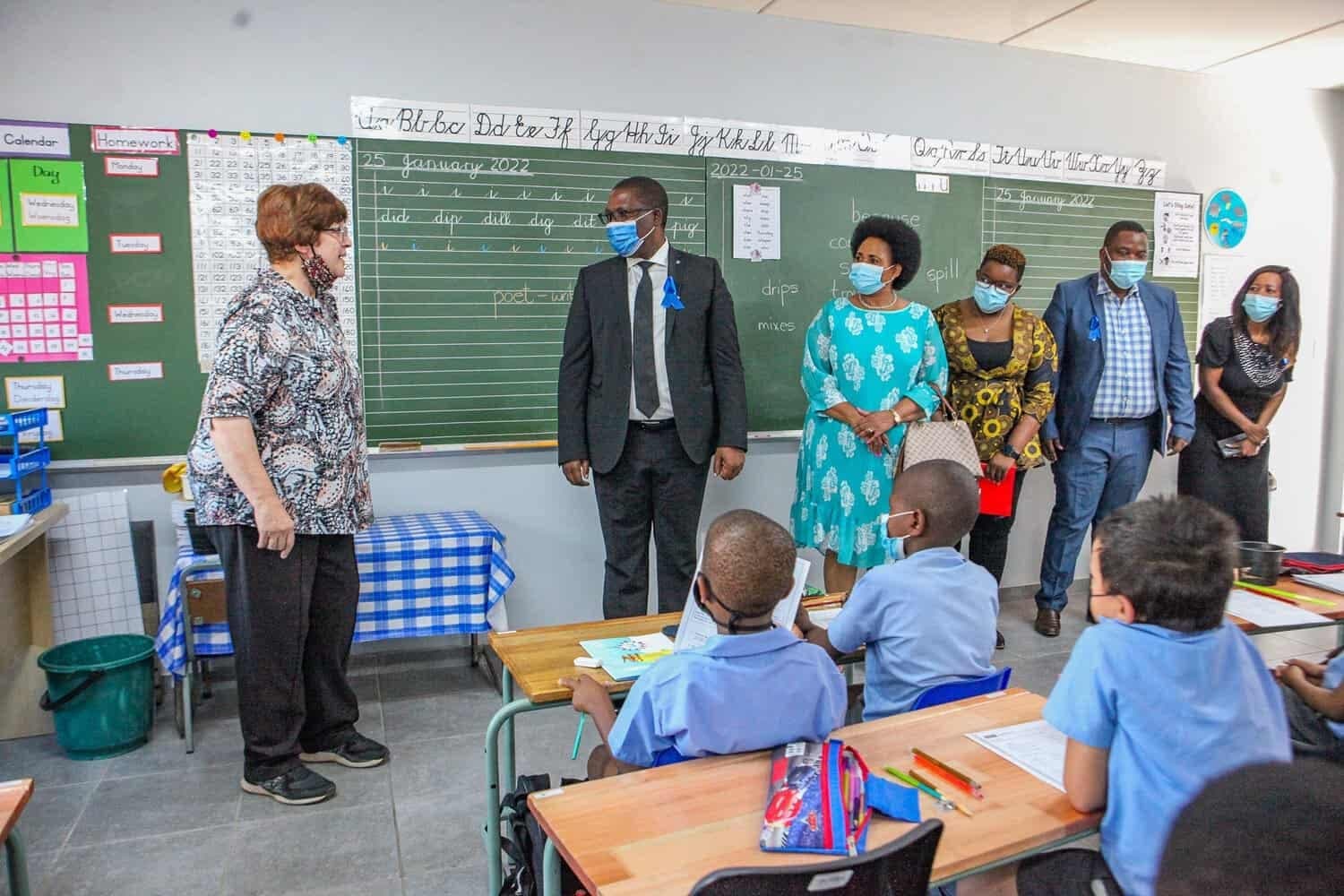
On 24 July 2026, South Africa's national conversation surrounding public schooling was brought back into focus following an analysis published by The Citizen. The core premise of the discussion is that while the country's education system is under immense strain, it is not on the brink of an outright collapse. This perspective offers a critical, tempered viewpoint in a national debate that often swings between alarmist panic and administrative complacency.
The perspective, emerging from a prominent local news platform, highlights a crucial distinction in how South Africans view public services. By framing the education sector as "strained but not collapsing," the discourse attempts to acknowledge the deep-seated challenges facing schools while recognizing the systemic resilience that keeps classrooms open. This distinction is vital for a general audience seeking to understand the realistic trajectory of basic education in the country.
In the South African context, the term "strained" points to a familiar array of systemic pressures, even though specific statistical indicators—such as exact teacher shortages, infrastructural deficits, or budgetary shortfalls—were not detailed in the initial report. For many communities, this strain manifests as overcrowded classrooms, resource constraints in rural and township schools, and ongoing curriculum delivery challenges. Acknowledging this strain is the first step toward addressing the daily difficulties faced by educators and learners alike.
Conversely, the assertion that the system is "not collapsing" serves as an important counter-weight to purely negative narratives. It suggests that despite severe pressures, the foundational structures of the country's education system remain functional. National examinations continue to be written and processed, school nutrition programmes remain active in many areas, and thousands of learners successfully transition through the grades each year. This view credits the ongoing efforts of teachers, school governing bodies, and local administrators who maintain basic operational standards under difficult conditions.
However, because the source material is an opinion piece rather than a statistical report, several key details remain unclarified. The specific data points, regional comparisons, and direct policy responses from the Department of Basic Education are not provided in the current trend data. This lack of exhaustive detail means that the exact line between a "strained" system and one that is failing remains open to interpretation. Analysts and citizens are left to weigh the qualitative arguments against their own local experiences of the schooling system.
For South African parents, guardians, and learners, the practical implications of this assessment are significant. It underscores that while the public school system requires urgent support and reform, it still offers a viable pathway for youth development. Rather than disengaging from public education, the current climate calls for increased community participation, stronger oversight of local school management, and active advocacy for resource equity across all provinces.
Looking ahead, the true test of this "strained but functional" status will lie in upcoming national performance indicators and budgetary reviews. Observers will need to monitor how provincial education departments manage their resource allocations in the latter half of 2026. Whether the system can move beyond mere survival to achieve genuine stability and quality across all socio-economic brackets remains the key question for South Africa's educational future.
Reporting record
How this story was produced
This article was AI-generated from the frozen trend evidence and passed deterministic quality and safety gates. No cross-provider evidence review or independent human verification is claimed for this record.
- Byline
- Newstrends AI Newsroom
- First published
- Last material update
- No later material update recorded
- Distinct source identifiers
- 1 retained source identifier
Frozen source links for this publication
Chronology
Story timeline
A generated chronology for orientation; dates and details may require source verification.
Update
The Citizen publishes an analysis highlighting that South Africa's education system is strained but not collapsing.
Reader file
Frequently asked questions
01What is the source of the claim that SA education is strained but not collapsing?
The claim stems from an opinion piece published by the South African news outlet The Citizen on 24 July 2026.
02Does the report provide specific statistics on school performance?
No, the available trend data does not include specific statistical breakdowns, teacher-to-learner ratios, or official departmental figures.
Keep reading
Related coverage
More published reporting connected to this story.

From Wine Cellar to Classroom: New South African Private School Offers Quality Education for R780 a Month
An innovative educational project in South Africa has repurposed an old wine cellar into a low-fee private school. Offering high-quality education for R780 per month, the initiative highlights the growing trend of adaptive reuse and affordable independent schooling.

Subjective Poverty: Why More South Africans May Be Poorer Than They Think
New discussions around subjective poverty reveal a stark contrast between official economic metrics and the lived financial realities of South Africans. Many citizens who sit above the official poverty line still struggle to make ends meet due to rising costs.
South Africans Question Delayed Justice as Calls for Real-Time Accountability Grow
A viral opinion piece has sparked a nationwide debate on the slow pace of South Africa's legal system. Citizens and experts are questioning whether delayed accountability ultimately undermines the rule of law.
South Africa and Germany Strengthen Strategic Partnership Through New Joint Action Plan
South Africa and Germany have agreed to a new joint action plan aimed at deepening their strategic partnership. While specific operational details remain undisclosed, the agreement establishes a structured framework for future bilateral and economic cooperation.

SA stunned as viral video shows how to eat for under R50 a day
A viral video of a Chinese man demonstrating how to eat for under R50 a day has stunned South Africans. The trending footage has sparked widespread debate over budget-friendly eating and the rising cost of living.