Billionaire private school in South Africa offers top education for R0.00 with a 99% Matric pass rate
A billionaire-funded private school in South Africa is redefining the educational landscape by offering elite-level schooling for R0.00. The institution has achieved an outstanding 99% Matric pass rate, proving that high-quality academic outcomes can be achieved without financial barriers.
A groundbreaking development in the South African education sector has emerged, as a high-performing private school funded by billionaire philanthropy is offering top-tier education for R0.00. This remarkable institution has successfully combined elite-level academic standards with complete financial accessibility, boasting an outstanding 99% Matric pass rate. The news has sparked widespread interest across the country, highlighting a potential shift in how quality education can be delivered to South African youth.
In a country where high-quality private education is typically associated with exorbitant tuition fees, the model of this billionaire private school stands out as a radical departure from the norm. By offering its curriculum and facilities at no cost (R0.00) to students, the institution challenges the traditional barriers that often prevent talented learners from lower-income households from accessing premium academic resources. The 99% Matric pass rate further underscores that the school does not compromise on academic excellence despite its zero-fee structure.
While the initial reports of this initiative have generated significant excitement, several key details regarding the school's operations remain undisclosed. The available data does not specify the name of the billionaire benefactor behind the initiative, nor does it detail the exact geographical location of the school campus within South Africa. Furthermore, the specific curriculum followed—whether the Independent Examinations Board (IEB) or the National Senior Certificate (NSC)—and the precise criteria used to select and admit learners are currently not detailed.
The significance of this model cannot be understated within the broader context of the South African education landscape. Historically, the country's schooling system has faced deep inequalities, with a stark divide between well-resourced private institutions and struggling public schools. An initiative that bridges this gap by providing world-class education for free offers a compelling blueprint for how private wealth can be directed toward sustainable social development and educational empowerment.
Achieving a 99% Matric pass rate is an exceptional feat for any educational institution, but it is particularly noteworthy for a school operating on a zero-fee model. In South Africa, the Matric examinations serve as a critical gateway to tertiary education and future career opportunities. A near-perfect pass rate indicates not only robust academic support and high-quality teaching but also an environment where learners are thoroughly equipped to succeed in their final school-leaving assessments.
The funding mechanism of a billionaire private school represents a growing trend of high-impact philanthropy in education. Instead of relying on traditional fee-paying structures, the school's operational costs are absorbed by substantial private backing. This allows the institution to recruit qualified educators, maintain modern facilities, and provide learning materials without passing the financial burden onto the families of the students.
As the public reacts to this development, education analysts and parents alike will be watching closely to see how this model evolves. Key areas of interest will include the long-term sustainability of the funding, the potential for scaling this model to other regions of South Africa, and how the school manages its admissions process to ensure fairness and transparency. For now, the institution stands as a powerful demonstration of what can be achieved when philanthropic resources are aligned with academic excellence.
Reporting record
How this story was produced
This article was AI-generated from the frozen trend evidence and passed deterministic quality and safety gates. No cross-provider evidence review or independent human verification is claimed for this record.
- Byline
- Newstrends AI Newsroom
- First published
- Last material update
- No later material update recorded
- Distinct source identifiers
- 1 retained source identifier
Frozen source links for this publication
Chronology
Story timeline
A generated chronology for orientation; dates and details may require source verification.
Update
Reports emerge detailing a billionaire-funded private school in South Africa offering free education with a 99% Matric pass rate.
Reader file
Frequently asked questions
01How much does it cost to attend this billionaire private school?
According to the reports, the school offers top education for R0.00, meaning there are no tuition fees for attending students.
02What is the academic performance of the school?
The school has achieved an exceptional 99% Matric pass rate.
03Who is the billionaire funding this school, and where is it located?
The specific name of the billionaire benefactor and the exact location of the school are not detailed in the currently available reports.
Keep reading
Related coverage
More published reporting connected to this story.
From Wine Cellar to Classroom: New South African Private School Offers Quality Education for R780 a Month
An innovative educational project in South Africa has repurposed an old wine cellar into a low-fee private school. Offering high-quality education for R780 per month, the initiative highlights the growing trend of adaptive reuse and affordable independent schooling.
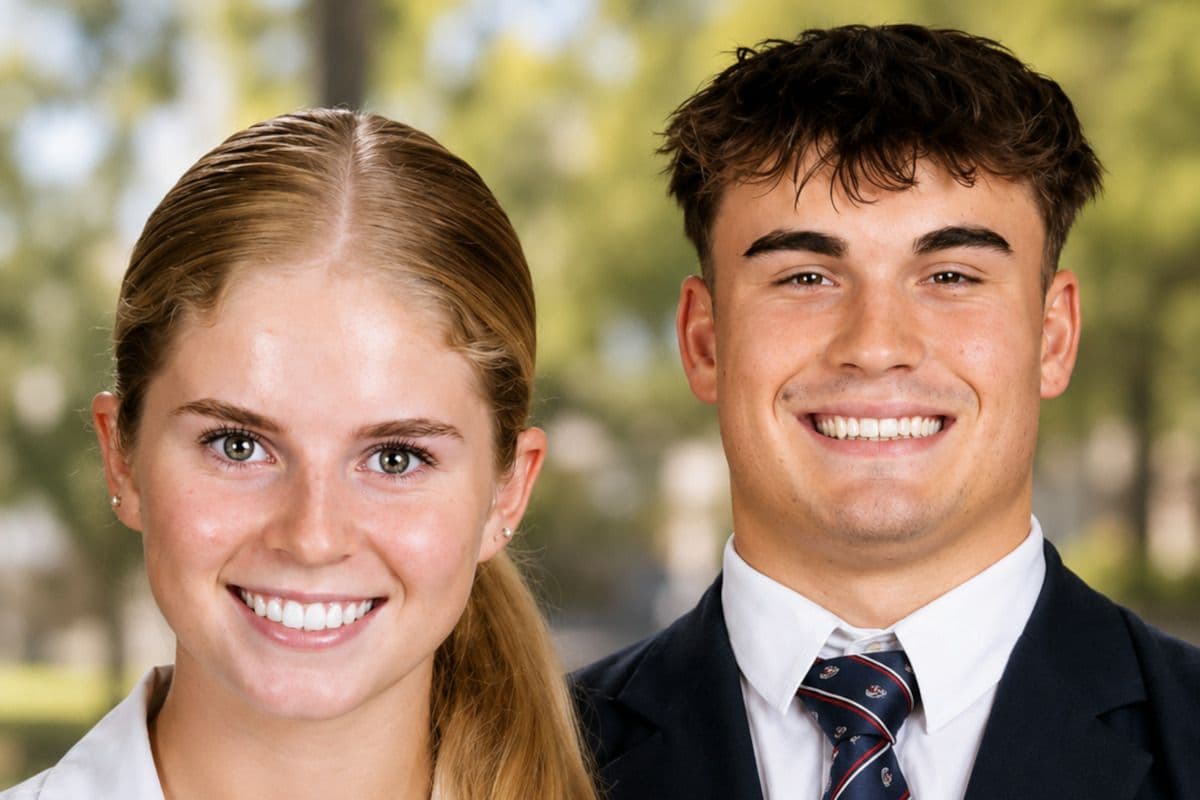
St Stithians College Honours Cameron Waldeck-Cooks in Special Women's Day Tribute
South African educational institution St Stithians has honoured Cameron Waldeck-Cooks in a dedicated Women's Day message. While full details of the tribute remain unconfirmed, the gesture highlights the school's participation in the national holiday.
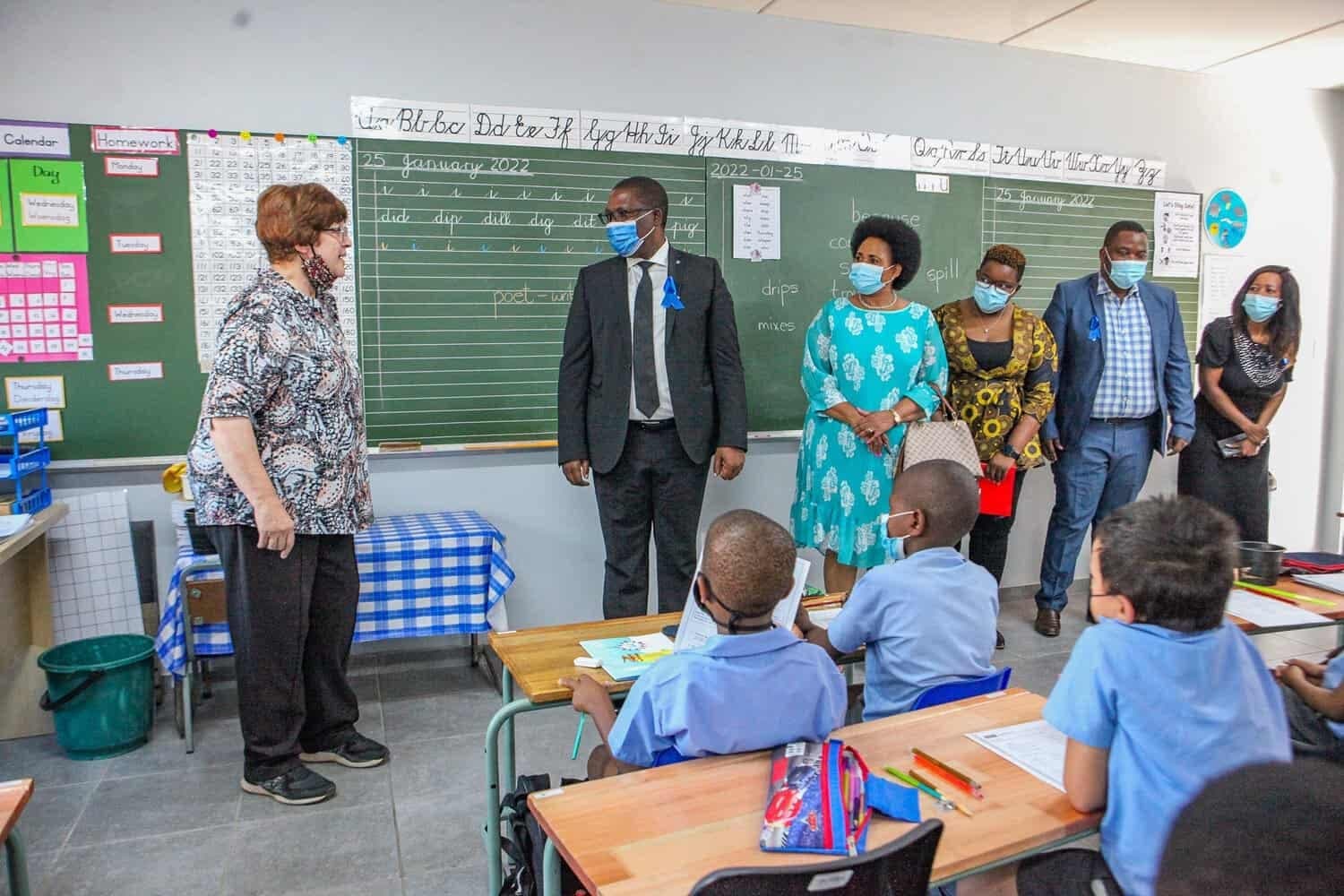
SA Education Under Severe Strain But Not Collapsing, Analysis Shows
An analysis of South Africa's education system highlights that while public schools face immense strain, the sector is not on the brink of collapse. The perspective urges a balanced view of systemic challenges and resilience. Key details regarding specific provincial metrics and official responses remain open for further reporting.
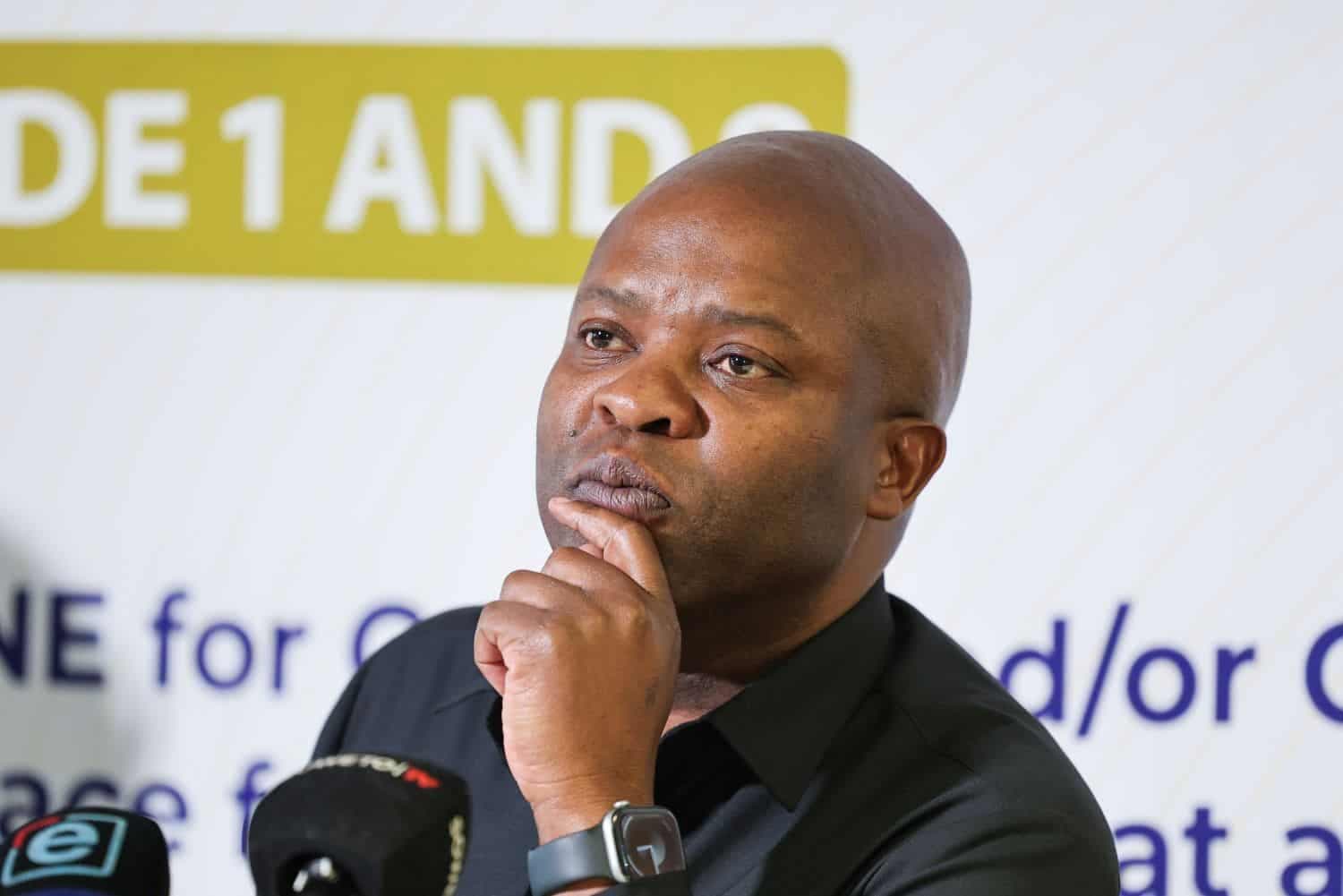
Guns Linked to Reiger Park Murders Found as School Abuse Reports and Snow Closures Hit Gauteng
South Africa faces a wave of critical developments as police recover firearms linked to the Reiger Park murders. Meanwhile, investigations are underway into alleged abuse in Gauteng schools, and heavy snow forces key road closures.
SA Teen Wernand Elated as GoFundMe Backed by BI Phakathi Surpasses R2 Million
A GoFundMe campaign for South African teenager Wernand has officially surpassed the R2 million mark, sparking widespread celebration online. Supported by prominent philanthropist BI Phakathi, the initiative has captured the hearts of locals under the guiding philosophy of 'give and you will receive'.