Could South Africa Build Its Own Blue Zone? A New Proposal Sparks Longevity Conversations
A proposal to establish a longevity-focused 'Blue Zone' in South Africa has sparked widespread interest. The concept, which emphasizes community-driven wellness and healthy living, offers a fresh perspective on public health.

A fresh conversation about health, longevity, and community development has been ignited in South Africa following a proposal to establish a "Blue Zone" in the country. The idea, which gained traction following an opinion piece published by local news outlet The Citizen on 12 August 2026, has captured the interest of South Africans looking for sustainable ways to improve their quality of life. The proposal suggests adapting global longevity principles to the local context.
For those unfamiliar with the term, Blue Zones refer to specific geographic regions across the globe where people statistically live significantly longer, healthier lives, often reaching the age of 100 or more. Historically, these zones include regions like Okinawa in Japan, Sardinia in Italy, and Nicoya in Costa Rica. These communities are characterised by natural physical movement, a strong sense of life purpose, plant-rich diets, and robust social connections that support healthy aging.
Proposing a Blue Zone in South Africa comes at a critical time when wellness and community resilience are highly valued. South Africans face unique daily stressors, from economic pressures to public health challenges. Introducing a localized version of a Blue Zone could offer a blueprint for healthier living. It shifts the focus from treating chronic illnesses to preventing them by designing environments that naturally encourage physical activity, wholesome nutrition, and stress reduction.
While the idea of building a Blue Zone is highly appealing, the practical steps required to achieve this remain largely conceptual. Unlike established historical Blue Zones that evolved organically over centuries, building one from scratch requires deliberate planning. It would necessitate collaboration between urban developers, healthcare professionals, and local municipalities to create walkable neighbourhoods, community gardens, and social spaces that foster deep human connection, which are the cornerstones of longevity.
Currently, the details surrounding this proposal are limited to public advocacy and conceptual discussions, such as the opinion piece featured in The Citizen. No formal plans, government-backed initiatives, or specific geographic locations within South Africa have been officially designated for a Blue Zone project. Whether this will remain an inspiring vision for healthier living or transition into a concrete development project remains to be seen.
Advocates of the idea point out that South Africa already possesses the cultural foundation necessary to support a Blue Zone. The traditional African philosophy of Ubuntu—which emphasizes that "a person is a person through other persons"—closely mirrors the social cohesion found in global Blue Zones. By leveraging this existing cultural strength, South African communities could theoretically foster the deep social bonds and mutual support systems that contribute to mental and physical well-being.
Moving forward, the conversation is expected to evolve as wellness advocates and urban planners explore how these principles can be integrated into existing towns or new residential developments. Observers will be watching to see if private developers or local governments initiate pilot projects aimed at creating healthier, more connected living spaces. For now, the call to build a Blue Zone serves as a timely reminder of the power of community and lifestyle in shaping public health.
Reporting record
How this story was produced
This article was AI-generated from the frozen trend evidence and passed deterministic quality and safety gates. No cross-provider evidence review or independent human verification is claimed for this record.
- Byline
- Newstrends AI Newsroom
- First published
- Last material update
- No later material update recorded
- Distinct source identifiers
- 1 retained source identifier
Frozen source links for this publication
Chronology
Story timeline
A generated chronology for orientation; dates and details may require source verification.
Update
An opinion piece is published in The Citizen proposing the creation of a Blue Zone in South Africa, sparking national interest in longevity and wellness.
Reader file
Frequently asked questions
01What is a Blue Zone?
A Blue Zone is a geographic area where people statistically live much longer and healthier lives than the global average, often reaching the age of 100.
02Are there any official Blue Zones in South Africa?
No, there are currently no official Blue Zones in South Africa. The concept is currently a proposal and public discussion sparked by local media.
03How does Ubuntu relate to the Blue Zone concept?
The South African philosophy of Ubuntu emphasizes community and social connection, which are key pillars of the lifestyle found in existing global Blue Zones.
Keep reading
Related coverage
More published reporting connected to this story.
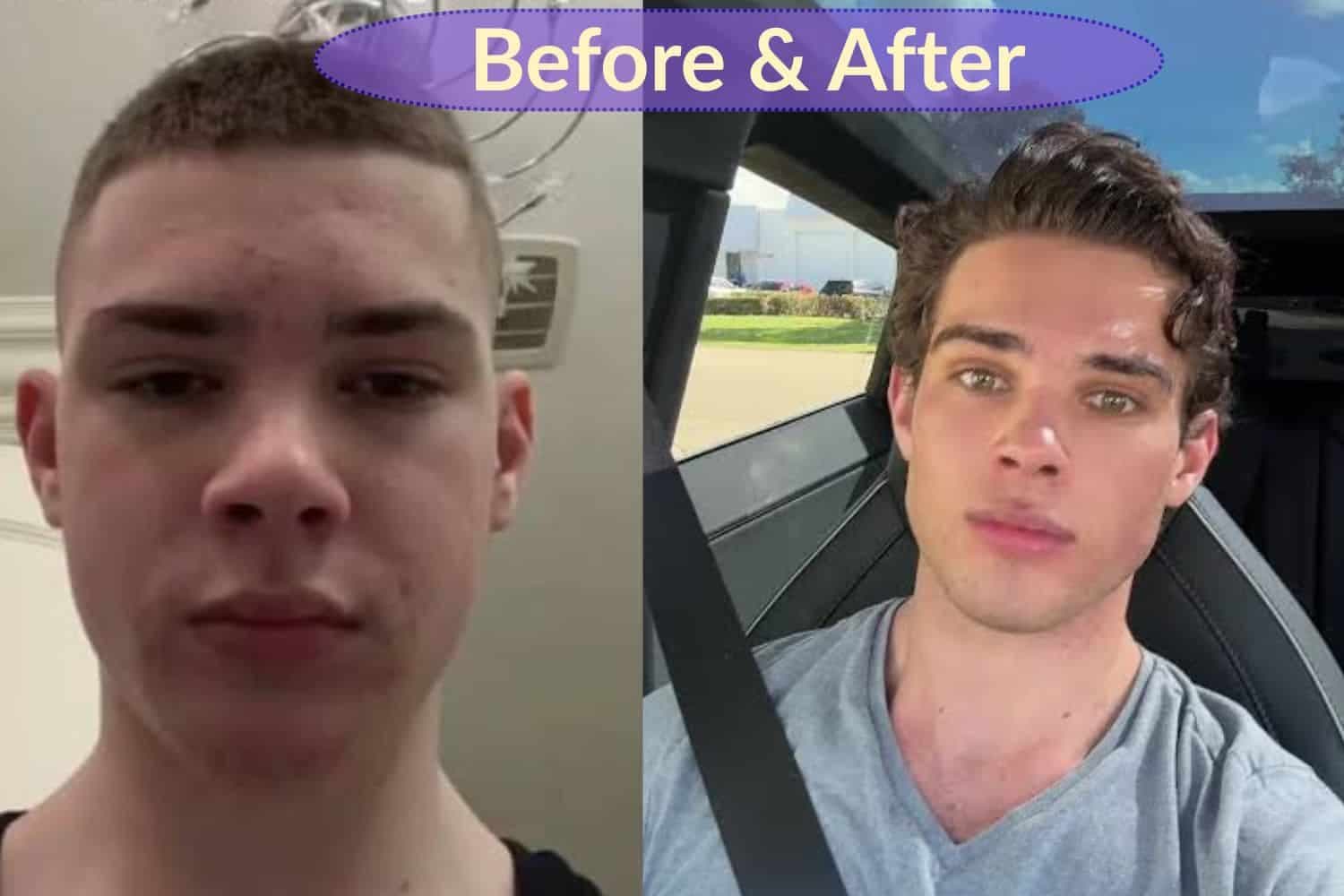
The Dangers of 'Looksmaxxing': Why Young South African Men Are Risking It All for the 'Perfect Face'
A report by South African publication The Citizen has highlighted the growing dangers of 'looksmaxxing,' a viral trend where young men risk their health for facial perfection. As the phenomenon gains traction locally, experts warn of the physical and psychological toll of these extreme aesthetic pursuits.

Winter Gardening Trend Highlights How South Africans Can Listen to Their Plants This Season
A viral lifestyle guide published by The South African highlights the importance of understanding winter garden signals. As mid-winter brings diverse climatic challenges across the country, local gardeners are seeking practical advice to protect their plants.
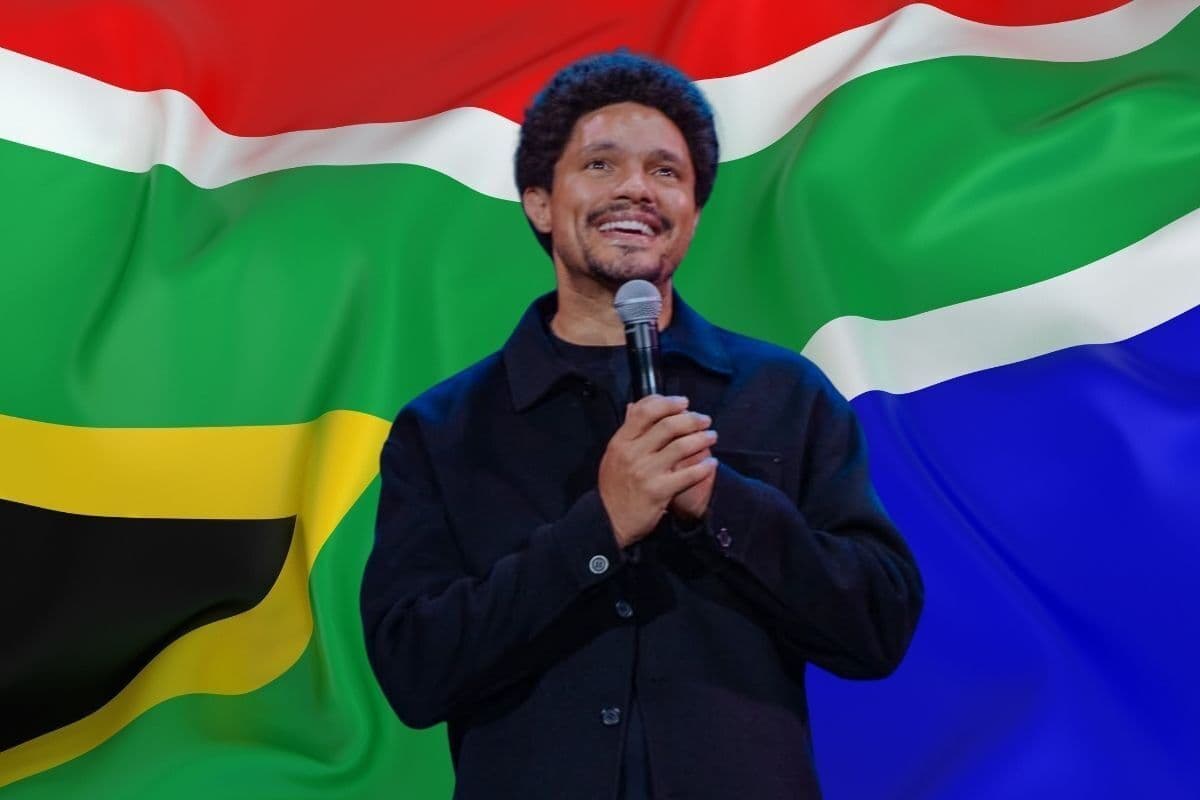
Trevor Noah Sparks National Conversation After Expressing Desire to Raise His Children in South Africa
A viral video featuring comedian Trevor Noah has captured the attention of South Africans. In the footage, Noah explains his desire for his future children to experience a South African upbringing, sparking widespread discussion.
The Evolution of Permanent Makeup: South African Beauty Trends, Removal, and Recovery Highlighted in New Report
A report by Independent Online highlights the evolving landscape of permanent makeup in South Africa. The analysis focuses on modern aesthetic trends, the rising demand for pigment removal, and the critical role of recovery protocols.
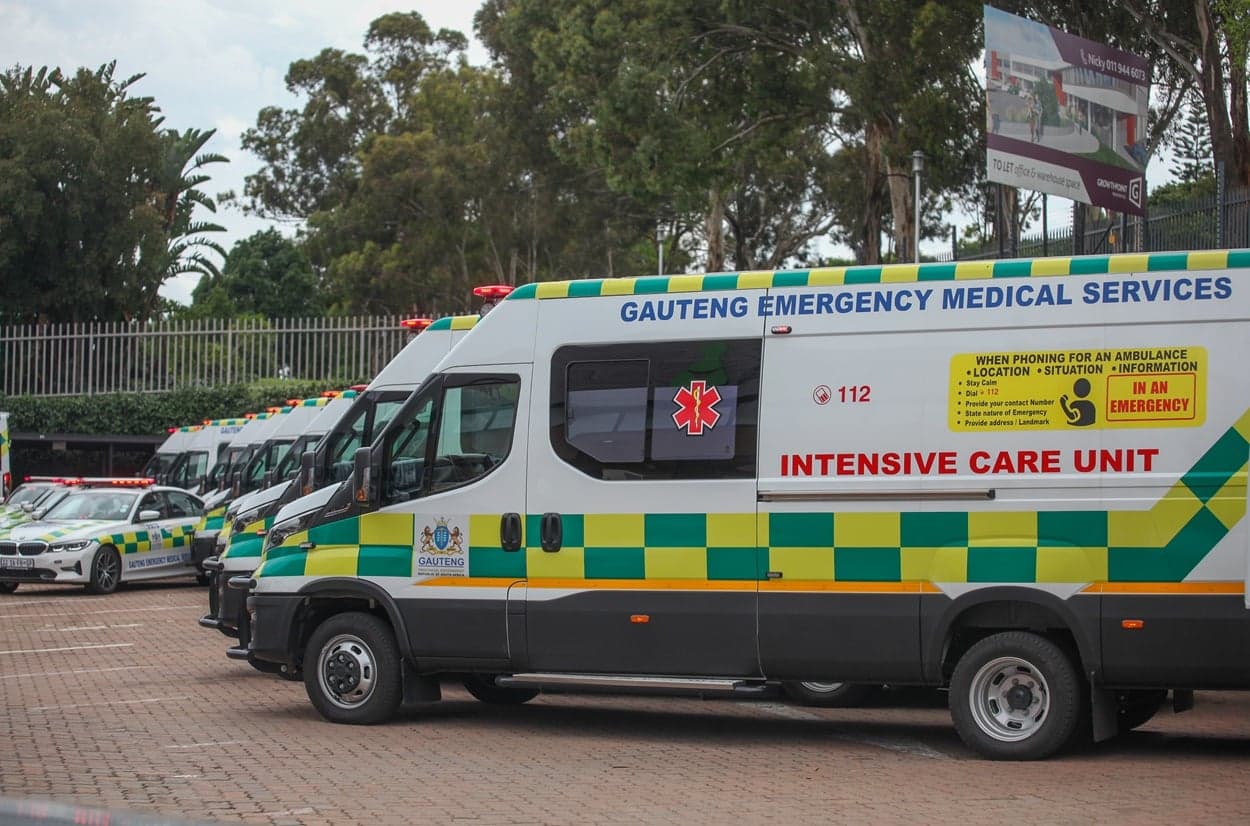
BRICS Nations to Pool Medical Expertise in Push for Universal Health and Resilience
A recent report highlights a collaborative effort within the BRICS bloc to share medical expertise and build healthcare resilience. While specific details of the implementation remain unconfirmed, the initiative aims to support universal health coverage across member states.