The Evolution of Permanent Makeup: South African Beauty Trends, Removal, and Recovery Highlighted in New Report
A report by Independent Online highlights the evolving landscape of permanent makeup in South Africa. The analysis focuses on modern aesthetic trends, the rising demand for pigment removal, and the critical role of recovery protocols.
A newly published report by South African media outlet Independent Online (IOL) on 9 August 2026 has shed light on the rapidly shifting landscape of the local beauty and wellness industry. The focus of the report centres on the evolution of permanent makeup, tracing how these cosmetic procedures have transitioned from niche treatments into mainstream aesthetic choices. By exploring the three critical pillars of modern trends, removal procedures, and recovery protocols, the publication highlights a growing consciousness among South African consumers regarding long-term cosmetic enhancements.
Permanent makeup, which traditionally includes procedures such as microblading, permanent eyeliner, and lip blushing, has experienced a significant shift in public perception. While detailed national statistics on the exact number of procedures performed annually in South Africa were not detailed in the initial tracking data, the prominent coverage of the topic on a major national platform indicates a substantial rise in consumer interest. The conversation has moved beyond simply acquiring these semi-permanent enhancements to managing their entire lifecycle.
In terms of trends, the evolution of permanent makeup is marked by a distinct move towards subtlety and natural aesthetics. In previous decades, cosmetic tattooing was often characterised by heavy, permanent pigments that did not easily adapt to aging skin or changing fashions. Today, modern techniques utilise semi-permanent pigments designed to fade gradually over time. This allows South Africans to enjoy natural-looking enhancements that complement their features without committing to a single look for life, reflecting a broader global trend towards minimalist beauty.
However, the evolution of the industry is not solely defined by the application of pigments; the demand for removal has also become a major focal point. As the popularity of permanent makeup has surged, so too has the need for corrective measures. Whether driven by shifting personal preferences, natural pigment degradation, or the need to correct substandard work performed by unqualified practitioners, removal is now a vital component of the consumer journey. Techniques such as laser removal and saline-based lifting have emerged to help individuals safely reverse or adjust prior procedures.
Alongside application and removal, the recovery phase is increasingly recognised as a crucial step in achieving successful cosmetic outcomes. The healing process requires careful attention, and the report emphasizes that proper aftercare is essential to avoid complications such as infections, scarring, or poor pigment retention. As consumers become more educated about these procedures, there is a growing understanding that the skill of the technician must be matched by a disciplined recovery routine at home to ensure safe and satisfactory results.
The rise of these trends also brings the regulatory environment of the South African aesthetic industry into sharp focus. Currently, the local landscape features a mix of self-regulated professional bodies and independent practitioners, meaning that operational standards can vary widely. While the latest report highlights the technological advancements in the field, it also implicitly underscores the importance of consumer vigilance. Prospective clients are urged to thoroughly research the qualifications, hygiene standards, and portfolios of technicians before undergoing any permanent procedures.
While the broad strokes of this cosmetic evolution are clear, several details remain undefined in the preliminary tracking data. Specific financial valuations of the South African permanent makeup market, the exact rate of post-procedure complications, and demographic breakdowns of those seeking removal services were not detailed. This lack of comprehensive, centralized data points to a broader challenge in monitoring the country's informal and semi-formal beauty sectors, where many practitioners operate independently.
Looking ahead, the discussion surrounding permanent makeup in South Africa is poised to expand as technology and consumer demands shift. Industry observers will be watching closely to see if the rising interest in removal and recovery leads to stricter regulatory oversight or standardised training certifications across the country. For now, South Africans navigating this evolving market are presented with more choices, better corrective technologies, and a clearer understanding of the commitment required for permanent cosmetic enhancements.
Reporting record
How this story was produced
This article was AI-generated from the frozen trend evidence and passed deterministic quality and safety gates. No cross-provider evidence review or independent human verification is claimed for this record.
- Byline
- Newstrends AI Newsroom
- First published
- Last material update
- No later material update recorded
- Distinct source identifiers
- 1 retained source identifier
Frozen source links for this publication
Chronology
Story timeline
A generated chronology for orientation; dates and details may require source verification.
Update
Independent Online (IOL) publishes an analysis detailing the evolution of permanent makeup trends, removal, and recovery in South Africa.
Reader file
Frequently asked questions
01What are the main areas of focus in the recent permanent makeup report?
The report published by Independent Online focuses on three primary pillars: evolving aesthetic trends, the options available for pigment removal, and the importance of post-procedure recovery.
02Why is permanent makeup removal becoming more prominent?
Removal has grown in importance due to changing consumer tastes, the need to correct poorly executed procedures, and advancements in reversal techniques like laser and saline lifting.
Keep reading
Related coverage
More published reporting connected to this story.
Eating Out in South Africa: How Local Dining is Transforming from Prose to Poetry
A viral lifestyle feature published by IOL explores the transition of South African dining from functional prose to artistic poetry. The trending piece highlights a growing local appreciation for narrative-driven culinary experiences.
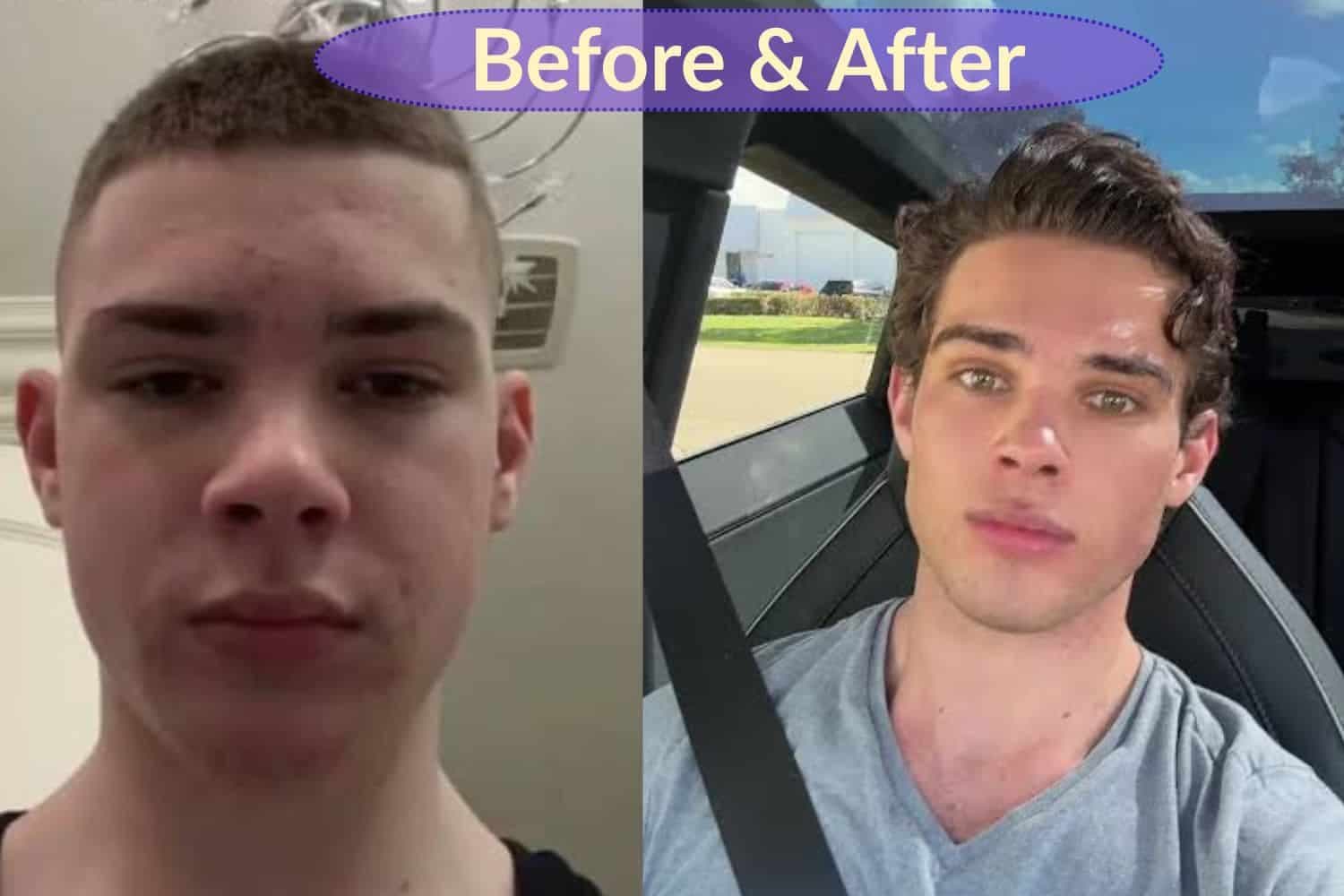
The Dangers of 'Looksmaxxing': Why Young South African Men Are Risking It All for the 'Perfect Face'
A report by South African publication The Citizen has highlighted the growing dangers of 'looksmaxxing,' a viral trend where young men risk their health for facial perfection. As the phenomenon gains traction locally, experts warn of the physical and psychological toll of these extreme aesthetic pursuits.

Chery Blossoms as South African New Vehicle Sales Keep Rising in July
South Africa's new vehicle market recorded another positive month in July 2026, with overall sales continuing to rise. Chinese automotive brand Chery emerged as a key driver of this growth, reflecting a shifting consumer preference towards high-value vehicles.

Nozipho Shares Inspiring Surgery Recovery as She Embraces Fresh Chapter After Heartbreak
South African personality Nozipho has shared updates on her surgery recovery, marking the start of a new chapter. The viral update highlights her journey of healing and resilience following recent heartbreak.

South African All Blacks Fan Reportedly Changes Legal Name in Ultimate Display of Rugby Loyalty
A viral report has revealed that a South African rugby fan has legally changed their name in honour of the New Zealand All Blacks. While the fan's identity remains private, the story has ignited widespread debate.