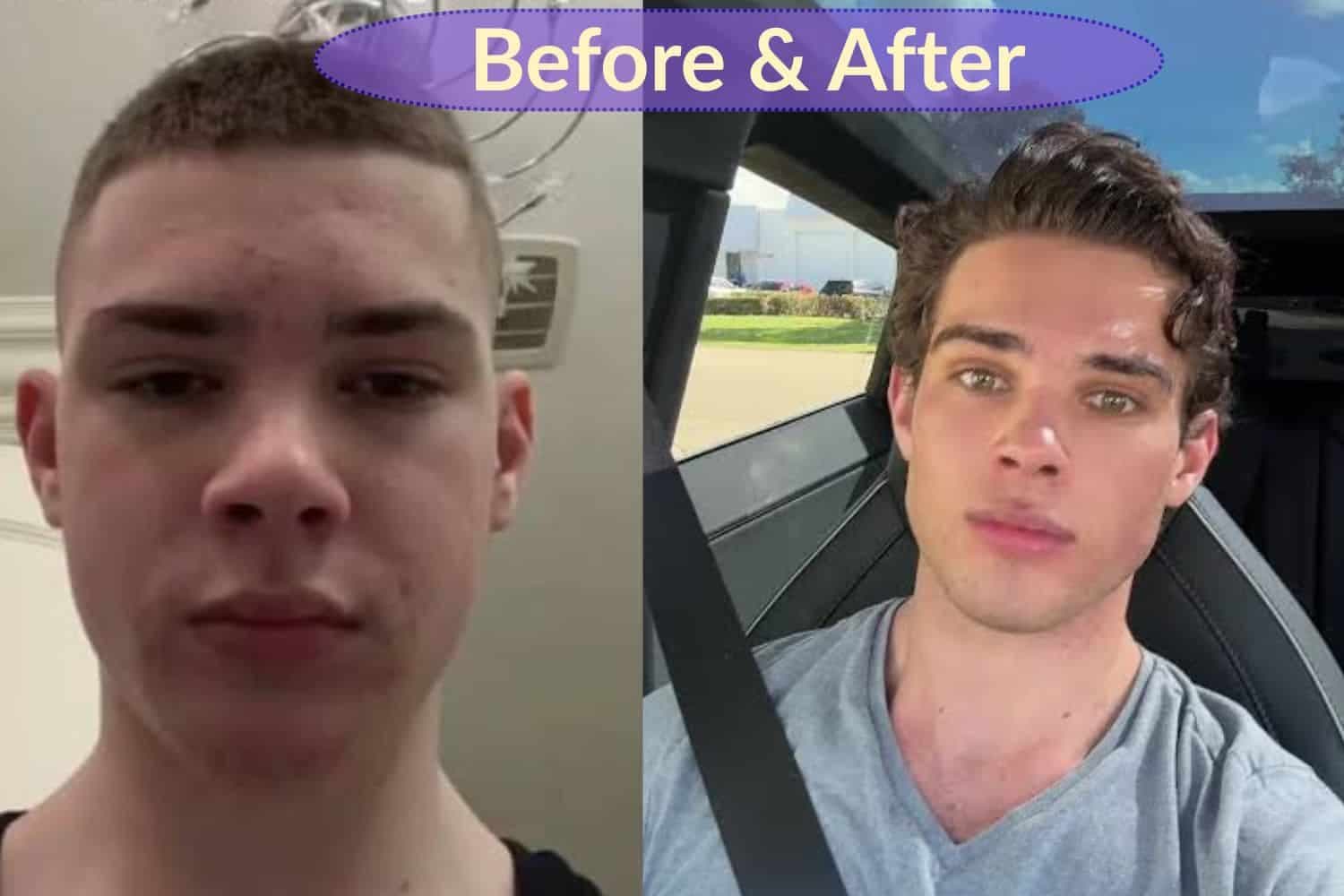
A prominent South African lifestyle and fashion publication, The Citizen, has highlighted a concerning digital phenomenon capturing the attention of young men across the country. Published on 6 August 2026, the report shines a spotlight on the viral trend known as 'looksmaxxing.' According to the publication's coverage, this trend has evolved from a niche online subculture into a high-stakes pursuit, with young men reportedly risking everything in their quest to achieve what they perceive as the perfect face.
The term 'looksmaxxing' refers to the extreme dedication to maximizing one's physical attractiveness, particularly facial features. While grooming and self-care have long been staples of the lifestyle and beauty sectors, this viral movement represents a more intense, sometimes hazardous shift. The Citizen's focus on the 'dangers' of this practice signals growing concern among local commentators and lifestyle observers regarding the lengths to which young South Africans are willing to go for aesthetic perfection.
Based on the available trend data from August 2026, the discussion surrounding looksmaxxing has officially entered the mainstream South African media landscape. Categorised under viral news as well as fashion and beauty, the topic highlights a critical intersection between digital culture, youth psychology, and physical health. The primary driver appears to be an obsessive focus on facial structure, though the exact methods being employed by these young men remain a subject of ongoing investigation and debate.
While the headline findings point to significant risks, many specific details about the local impact of looksmaxxing in South Africa remain undisclosed. It is currently unclear which specific procedures—whether surgical, chemical, or mechanical—young South African men are opting for to alter their appearance. Furthermore, precise statistics regarding how many individuals have suffered physical or psychological harm from these practices have not been detailed in the initial reports. This lack of concrete data highlights the need for further research by local medical professionals and social scientists.
The rise of looksmaxxing is closely linked to global digital platforms, where viral content quickly spreads across geographic borders to reach South African audiences. In an era dominated by highly visual social media feeds, young men are bombarded with idealized, often digitally altered images of male beauty. The pressure to conform to these unrealistic standards has created a fertile ground for extreme trends to take root, transforming online discussions into real-world physical risks.
The phrase 'risking everything' used in the recent reporting suggests that the consequences of looksmaxxing extend far beyond simple grooming routines. Experts in the broader lifestyle and wellness fields frequently warn that extreme physical modification can lead to permanent bodily damage, severe infections, and deep-seated psychological distress, such as body dysmorphic disorder. For young men, the pursuit of an unattainable physical ideal can result in severe financial strain and social isolation.
In South Africa, where access to regulated medical procedures varies widely, the dangers of unregulated aesthetic practices are particularly acute. If young men are turning to informal or unverified methods to alter their facial structures, the potential for long-term health crises increases significantly. The coverage by local media serves as an important warning sign for parents, educators, and peers to monitor the online influences affecting young men in their communities.
As the conversation around looksmaxxing continues to develop in South Africa, observers should watch for official responses from local health authorities and psychological associations. Future reporting will hopefully shed light on the specific demographic groups most affected by this trend and provide resources for those struggling with body image issues. For now, the spotlight shone by The Citizen serves as a crucial starting point for a necessary national dialogue on youth mental health and the pressures of modern digital culture.