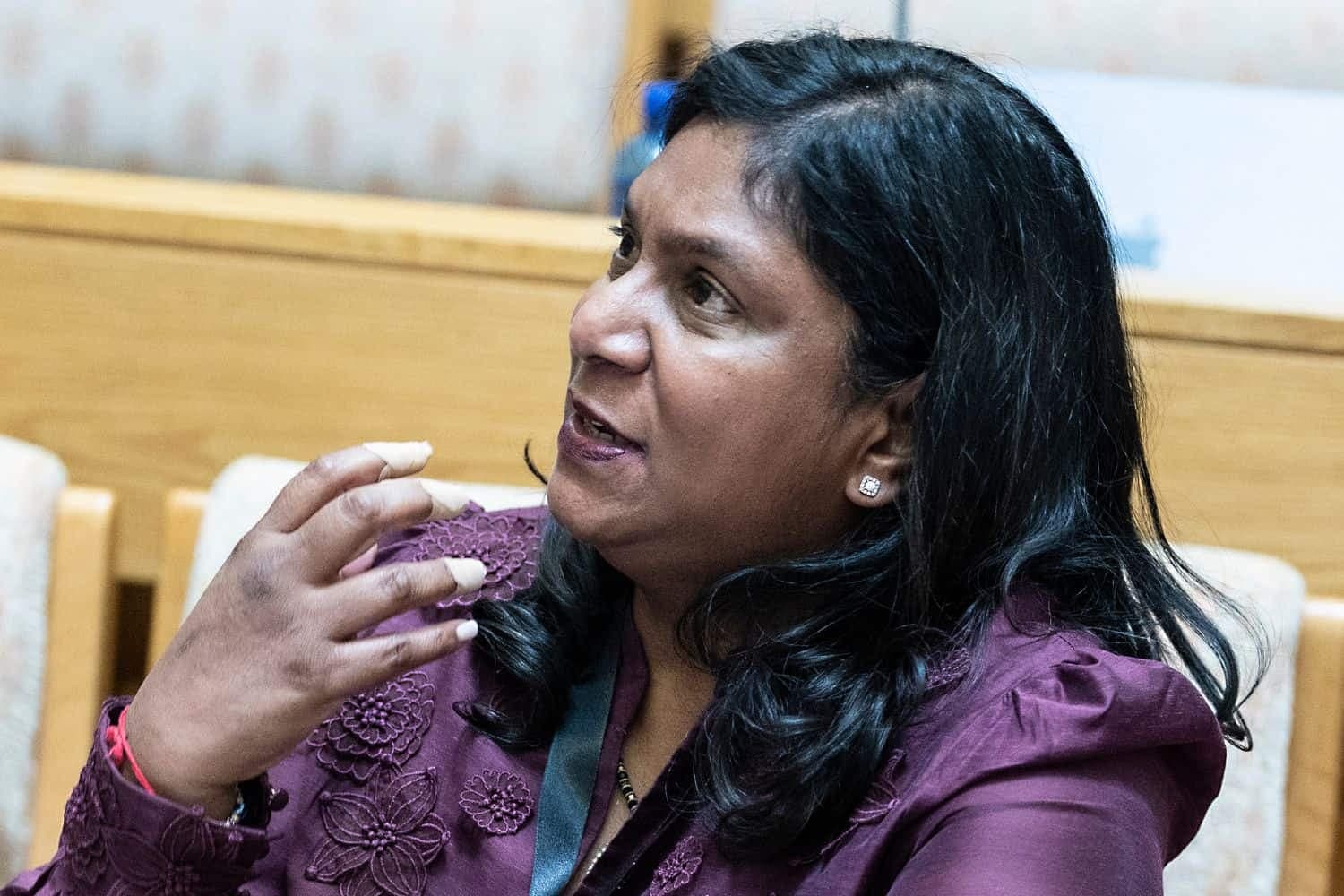
South Africa’s anti-corruption landscape has been hit by a significant development following the resignation of Andrea Johnson from the Investigating Directorate Against Corruption (IDAC). The news, which emerged on 27 July 2026, has immediately triggered widespread public interest and led to heightened calls for accountability across the country. As one of the key figures in the nation's fight against systemic corruption, Johnson's sudden departure has raised critical questions about the stability and future direction of the investigative body.
According to reports first published by Independent Online (IOL) Daily News, the resignation has sent shockwaves through both political and civil society circles. At this stage, the official details surrounding the resignation remain sparse. While the fact of her departure from IDAC has been confirmed, the precise reasons behind her decision to step down have not been publicly disclosed. This lack of immediate clarity has only intensified the public's demand for a comprehensive explanation from the relevant authorities.
In the wake of the announcement, civil society organisations, political commentators, and the general public have renewed their demands for transparency. The call for accountability is not merely about the reasons for Johnson's departure, but also concerns the broader operational integrity of IDAC. Stakeholders are urging the government and the National Prosecuting Authority (NPA) to provide a clear, detailed account of the circumstances leading up to this leadership change, emphasising that public trust in anti-corruption institutions is paramount.
As the situation unfolds, several critical aspects of the resignation remain unresolved. It is currently unclear who will step in to lead IDAC in the interim, or how this transition will affect ongoing high-profile corruption investigations. Furthermore, the official timeline for appointing a permanent successor has not been established. Observers are closely watching to see whether the Department of Justice or the NPA will release a formal statement addressing these operational gaps and reassuring the public of the institution's continuity.
To understand the significance of this event, it is essential to consider the role of IDAC in South Africa. The directorate is tasked with investigating and prosecuting serious, complex, and organised corruption cases, many of which stem from the state capture era. Consequently, any leadership change within such a critical institution is viewed with a high degree of scrutiny. Leadership stability is widely regarded as a cornerstone for successfully prosecuting complex financial crimes and restoring faith in the rule of law.
One of the primary concerns raised by analysts is the potential impact of this resignation on active court cases and investigations. High-profile corruption trials in South Africa are notoriously complex and require consistent, dedicated leadership to navigate. A sudden change at the helm of IDAC could risk delaying these processes, a scenario that anti-corruption advocates warn must be avoided at all costs to maintain momentum in the fight against graft.
While official political responses are still being formulated, early reactions from watchdog groups highlight a growing anxiety over institutional independence. Commentators argue that for IDAC to remain effective, it must be shielded from political interference and administrative instability. The heightened calls for accountability reflect a collective desire to ensure that the directorate's mandate is not compromised during this period of transition.
Moving forward, the focus will undoubtedly be on the official response from the National Prosecuting Authority and the Ministry of Justice. South Africans will be watching closely to see if a transparent process is followed in selecting the next head of IDAC. The coming days will be crucial in determining whether the authorities can successfully manage this transition, restore public confidence, and keep the country's anti-corruption drive on track.