South Africans Question Delayed Justice as Calls for Real-Time Accountability Grow
A viral opinion piece has sparked a nationwide debate on the slow pace of South Africa's legal system. Citizens and experts are questioning whether delayed accountability ultimately undermines the rule of law.
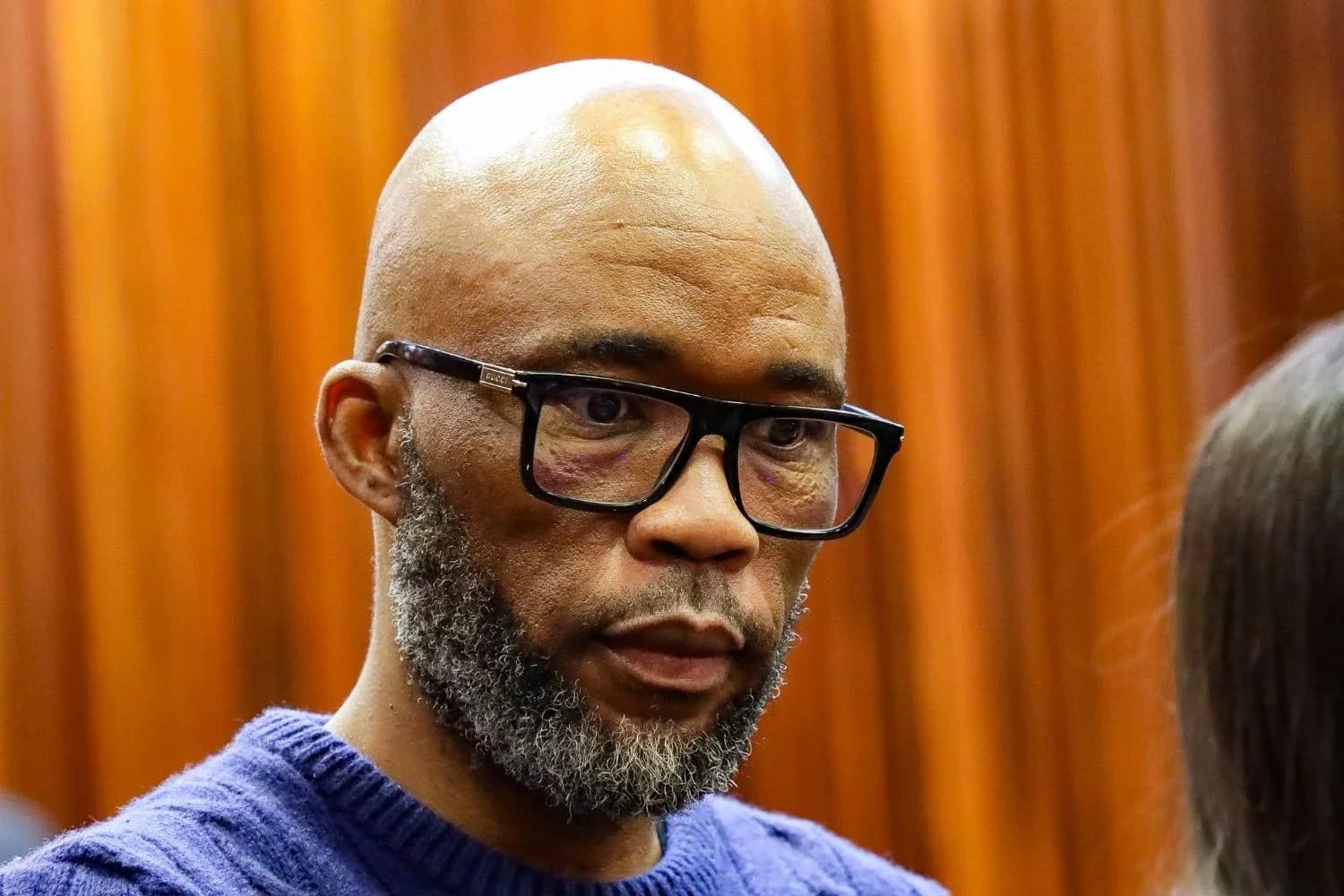
The national conversation surrounding the efficacy and speed of South Africa’s legal system has been reignited following a prominent opinion piece published by local news outlet The Citizen on 23 July 2026. Titled "Wheels of justice turn but accountability arrived too late," the publication has struck a chord with a general public increasingly weary of prolonged legal battles and delayed consequences for wrongdoing. The viral traction of this topic highlights a deep-seated concern among South Africans regarding the real-world impact of slow-moving judicial processes.
At the heart of this discussion is the concept of delayed accountability. In South Africa, the phrase "the wheels of justice turn slowly" is a familiar refrain, often used to reassure citizens that the legal system will eventually hold wrongdoers to account. However, as the title of the piece suggests, there is a growing consensus that when accountability takes too long to arrive, its value is severely diminished. For many citizens, justice delayed is not merely justice deferred; it is a form of justice denied that fails to undo the societal and economic harm caused in the interim.
Because the initial trend data from the RSS feed does not specify a single court case, political figure, or corporate scandal, the public has applied this sentiment to a broad spectrum of national issues. South Africa’s recent history is replete with examples of protracted legal inquiries, state capture investigations, and high-profile corruption trials that drag on for years. While these processes are necessary to ensure fair trials and thorough investigations, the prolonged timelines often mean that key actors retire, pass away, or deplete state resources long before a final verdict is handed down.
The practical implications of this delayed accountability are profound for South African society. When legal consequences are postponed, it creates a perception of impunity, suggesting that those with sufficient resources can exploit the legal system to delay justice indefinitely. This perception erodes public trust in key democratic institutions, including the National Prosecuting Authority (NPA) and the broader judiciary. Furthermore, delayed justice delays restitution, meaning that stolen public funds are rarely recovered in time to benefit the communities that need them most.
Legal experts often point to several systemic challenges that contribute to these delays. The South African court system faces significant operational hurdles, including administrative backlogs, resource constraints, and the frequent deployment of obstructionist legal tactics by defendants. Commonly referred to as the "Stalingrad defence," these tactics involve using every possible legal loophole and appeal process to delay the start or conclusion of a trial. While the judiciary maintains its independence and commitment to due process, these systemic delays highlight the need for urgent institutional reform.
As a viral news topic in the region, the widespread resonance of this editorial underscores a collective demand for a more responsive justice system. South Africans are no longer satisfied with the mere promise of eventual accountability; there is an active call for swift, decisive action that protects the integrity of the state in real-time. The debate highlights the delicate balance the judiciary must maintain between upholding the constitutional rights of the accused to a fair, unhurried trial and satisfying the public’s right to timely justice.
While the specific catalyst for The Citizen’s opinion piece remains unconfirmed due to the limited scope of the initial report, the broader implications are clear. What remains to be seen is how the Department of Justice and Constitutional Development, along with law enforcement agencies, will address these public concerns. Observers will be watching closely to see if future legislative reforms or administrative changes are introduced to streamline court processes, curb deliberate trial delays, and ensure that accountability, when it finally arrives, is still meaningful.
Reporting record
How this story was produced
This article was AI-generated from the frozen trend evidence and passed deterministic quality and safety gates. No cross-provider evidence review or independent human verification is claimed for this record.
- Byline
- Newstrends AI Newsroom
- First published
- Last material update
- No later material update recorded
- Distinct source identifiers
- 1 retained source identifier
Frozen source links for this publication
Chronology
Story timeline
A generated chronology for orientation; dates and details may require source verification.
Update
The Citizen publishes an opinion piece highlighting the consequences of delayed accountability in South Africa, sparking widespread public discussion.
Reader file
Frequently asked questions
01What sparked the current debate on South Africa's justice system?
The debate was reignited by an opinion piece published by The Citizen on 23 July 2026, which argued that accountability often arrives too late to be effective.
02What is the 'Stalingrad defence' mentioned in legal discussions?
It refers to a legal strategy where a defendant uses every possible legal loophole, appeal, and technicality to delay court proceedings indefinitely.
03Why is delayed accountability considered a problem?
Delayed accountability can erode public trust in democratic institutions, delay the recovery of stolen public funds, and create a perception of impunity.
Keep reading
Related coverage
More published reporting connected to this story.

From Wine Cellar to Classroom: New South African Private School Offers Quality Education for R780 a Month
An innovative educational project in South Africa has repurposed an old wine cellar into a low-fee private school. Offering high-quality education for R780 per month, the initiative highlights the growing trend of adaptive reuse and affordable independent schooling.
Andrew Chauke Cleared Following Fitness for Office Challenge by Batohi
Senior prosecutorial figure Andrew Chauke has been cleared after a high-profile challenge to his fitness for office. The challenge, initiated by National Director of Public Prosecutions Shamila Batohi, represents a major development within South Africa's legal landscape.

Subjective Poverty: Why More South Africans May Be Poorer Than They Think
New discussions around subjective poverty reveal a stark contrast between official economic metrics and the lived financial realities of South Africans. Many citizens who sit above the official poverty line still struggle to make ends meet due to rising costs.
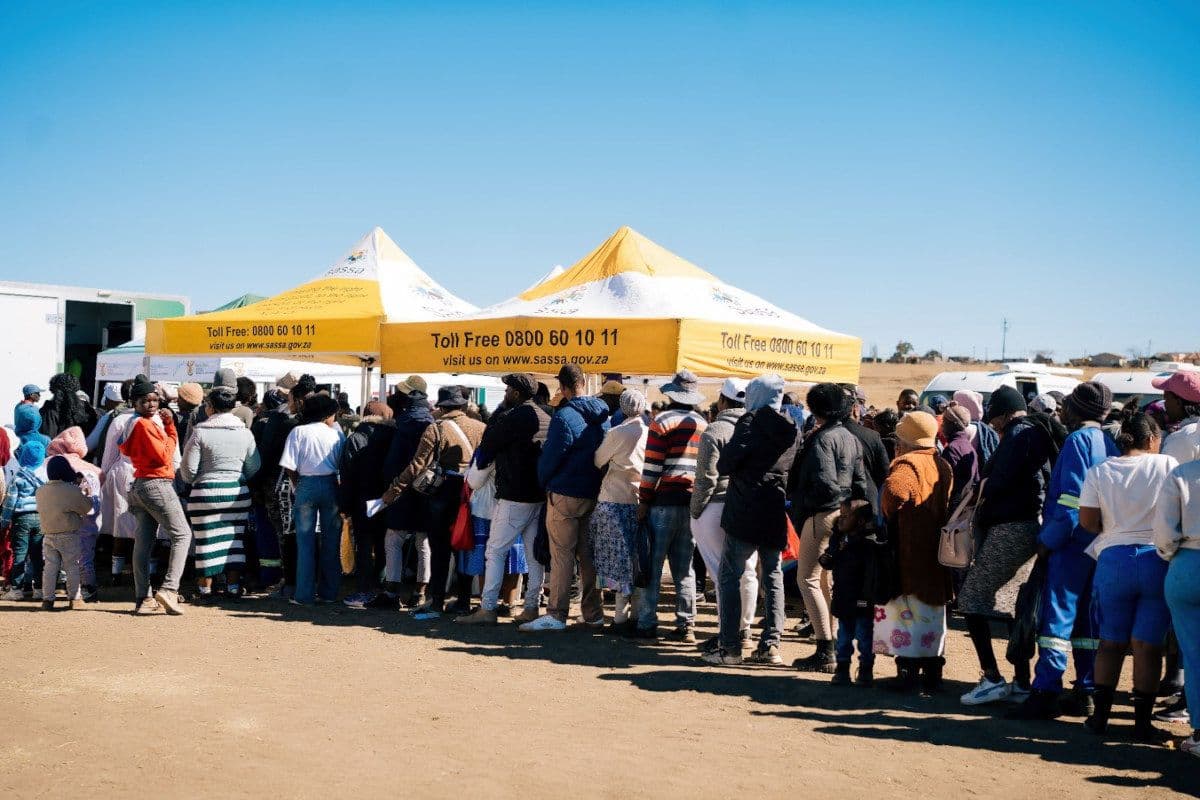
SASSA Sacks Four Officials Amid R33 Million Social Grants Fraud Probe
The South African Social Security Agency (SASSA) has dismissed four officials following their alleged involvement in a R33 million social grants fraud scheme. The dismissals come as the agency continues its efforts to combat corruption and protect vital social welfare funds. This move underscores SASSA's commitment to accountability within its ranks.
Complexities of Migration in Africa: Call for Responsible Governance Sparks Crucial Dialogue
An opinion piece published in The Star has called for responsible governance to address the complex nature of migration across Africa. The commentary highlights the urgent need for coordinated policy frameworks to balance national security with continental integration.