Western Cape Property: Viral Report Reveals Only Town Where Land Is Available For R100 000
A viral property report has sparked widespread interest by identifying a single Western Cape town offering land for R100,000. While the news offers a rare affordable entry point into the province's competitive market, key details about the location remain to be verified.
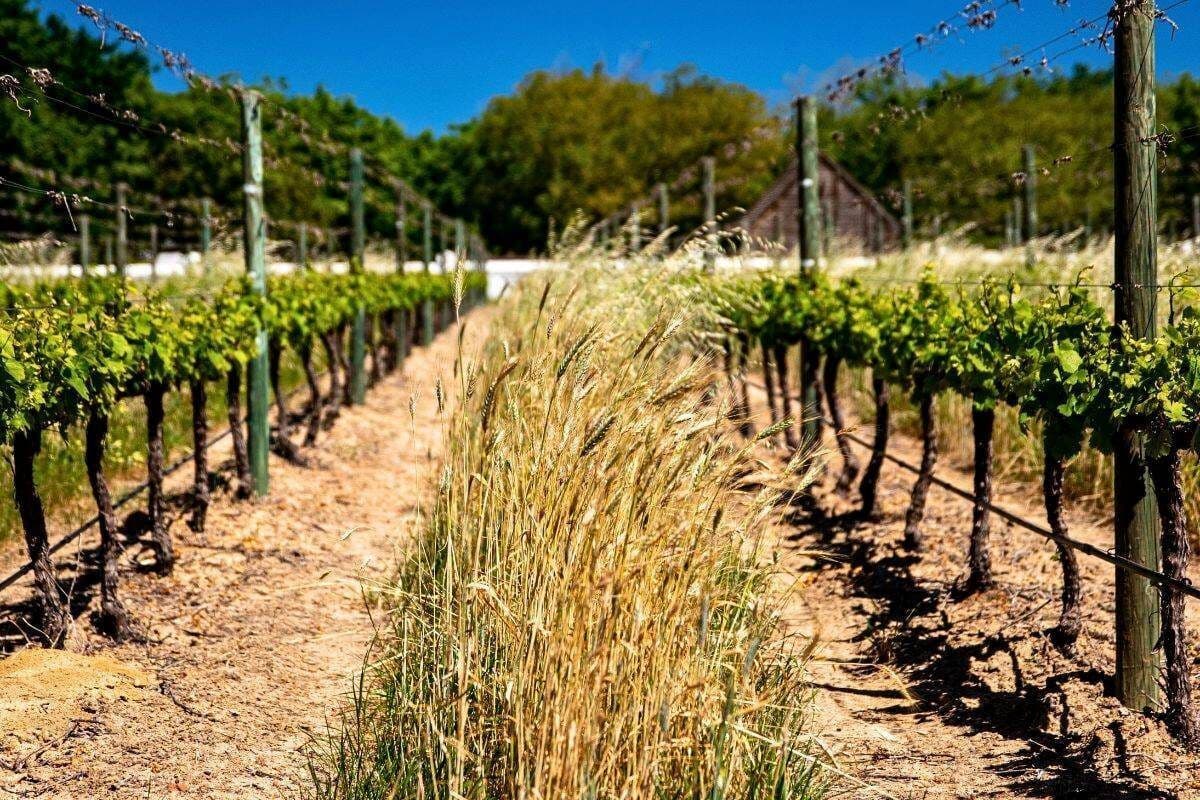
A viral property report has captured the attention of South African house hunters and real estate investors, pointing to a single town in the Western Cape where land can still be purchased for as little as R100,000. The news, which emerged on 24 August 2026, has quickly gained traction online as South Africans grapple with a highly competitive and increasingly expensive provincial property market.
For years, the Western Cape has been the premier destination for "semigration"—the trend of South Africans relocating from provinces like Gauteng and KwaZulu-Natal in search of better-managed municipalities, coastal lifestyles, and safer environments. This influx of buyers has driven property and land prices to record highs, particularly in metropolitan Cape Town, the Cape Winelands, and the Garden Route, making the prospect of R100,000 land highly unusual.
According to the trending data sourced from lifestyle and property reports, this remarkably low price point is isolated to just one specific town within the province. While the report has sparked widespread curiosity, the initial trend signals do not explicitly name the town or outline the exact dimensions of the plots on offer. This lack of immediate detail has left prospective buyers eager to uncover where this affordable pocket of land is situated.
For budget-conscious buyers, the existence of land at this price threshold represents a rare entry point into the Western Cape's property market. Typically, vacant land in well-known Western Cape towns commands hundreds of thousands, if not millions, of rands. A R100,000 plot could allow first-time buyers, retirees, or small-scale developers to build a home without taking on astronomical debt.
However, property experts urge caution and thorough research when evaluating exceptionally cheap land. While the price tag is highly attractive, several critical factors remain unclear from the initial reports. Prospective buyers must investigate whether these affordable plots are serviced with basic municipal infrastructure, including water, electricity, and sewerage connections, which can add significant hidden costs to a build.
Additionally, the geographical location of the town will play a massive role in its viability for buyers. If the town is situated far from major economic hubs, healthcare facilities, and schools, it may be more suited for holiday homes or retirement rather than daily commuting. Zoning laws, municipal rates, and the local municipality’s track record of service delivery are also vital elements that buyers need to verify independently.
The viral nature of this news underscores a broader demand for affordable housing solutions across South Africa. As interest rates and the cost of living remain high, many citizens are looking outside of major cities for affordable alternatives. If a single town can successfully attract investment through low-cost land sales, it could serve as a blueprint for other rural municipalities looking to boost their local economies.
As interest in this property anomaly grows, South Africans will be watching closely to see if more details emerge regarding the location and availability of these R100,000 plots. For now, the story serves as a reminder that despite the Western Cape's reputation for premium real estate, unique opportunities can still be found by those willing to look off the beaten track.
Reporting record
How this story was produced
This article was AI-generated from the frozen trend evidence and passed deterministic quality and safety gates. No cross-provider evidence review or independent human verification is claimed for this record.
- Byline
- Newstrends AI Newsroom
- First published
- Last material update
- No later material update recorded
- Distinct source identifiers
- 1 retained source identifier
Frozen source links for this publication
Chronology
Story timeline
A generated chronology for orientation; dates and details may require source verification.
Update
A report on the only Western Cape town offering land for R100,000 is published and quickly goes viral online.
Reader file
Frequently asked questions
01Is it really possible to buy land in the Western Cape for R100,000?
According to a viral property report published on 24 August 2026, there is currently only one town in the Western Cape where land is available at this price point.
02Which Western Cape town has land for R100,000?
The initial trend data and reports do not explicitly name the specific town. Prospective buyers will need to research the primary property listings to identify the exact location.
03What should buyers consider before purchasing cheap land?
Buyers should investigate municipal service connections (water and electricity), zoning regulations, local infrastructure, and proximity to essential services.
Keep reading
Related coverage
More published reporting connected to this story.
Viral Report of Coastal Land for R200 000 Sparks Intense Interest Among South African Buyers
A viral report from August 2026 has revealed a coastal town where acres of land are reportedly selling for just R200,000. While the specific location remains undisclosed, the news has triggered widespread curiosity among South Africans looking for affordable coastal property.
Coastal Town Property Prices Surge 30% as Retirees Snap Up Half of All Homes
A coastal South African town has recorded a dramatic 30% increase in property prices, driven by a massive influx of retirees. According to recent reports, retirement-age buyers are now purchasing half of all homes in the area, reshaping the local real estate market.
Affordable Coastal Retirement: Oceanfront Properties Selling for R600 000 in South Africa
A new property report highlights budget-friendly coastal towns in South Africa offering oceanfront homes for R600,000. This trend offers a timely opportunity for retirees seeking affordable coastal living amid economic pressures.

Siya Kolisi Sparks Joy with Wholesome 'Big Brother' Moment at Phelo's Matric Dance
Springbok captain Siya Kolisi has captured the hearts of South Africans after reports emerged of a heartwarming 'big brother' moment at Phelo's Matric Dance. The family milestone has sparked widespread admiration across local social media platforms.

Elton Jantjies Expresses Gratitude to Gayton McKenzie Amid Ongoing Doping Ban Controversy
Former Springbok flyhalf Elton Jantjies has publicly thanked Gayton McKenzie for his support. The interaction comes as Jantjies continues to navigate his professional doping ban, sparking widespread public interest across South Africa.