Affordable Coastal Retirement: Oceanfront Properties Selling for R600 000 in South Africa
A new property report highlights budget-friendly coastal towns in South Africa offering oceanfront homes for R600,000. This trend offers a timely opportunity for retirees seeking affordable coastal living amid economic pressures.
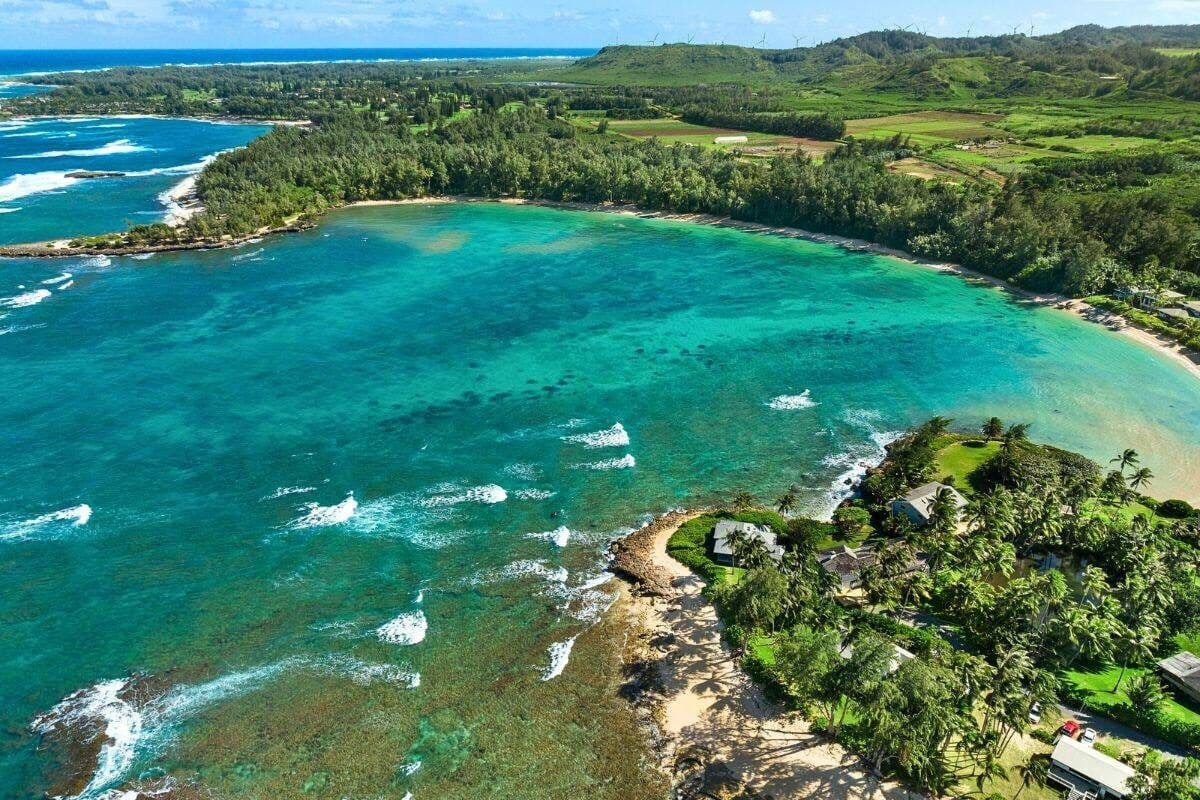
A new property trend report has captured the attention of South African retirees looking to relocate to the coast without breaking the bank. On 22 August 2026, local lifestyle and property portal The South African published details highlighting affordable, retirement-friendly coastal towns where oceanfront properties are reportedly selling for as low as R600,000. For many citizens facing a challenging economic climate, the prospect of securing a home right by the sea at this price point represents a rare opportunity to achieve a peaceful retirement lifestyle.
The emergence of this trend comes at a critical time for South Africa's ageing population. With the rising cost of living, fluctuating interest rates, and pressure on pension funds, the traditional dream of retiring to well-known coastal hubs has become financially out of reach for many. A budget of R600,000 is exceptionally modest for oceanfront real estate, which typically commands multi-million-rand price tags in major metropolitan coastal areas. Consequently, the identification of alternative, budget-friendly coastal towns is generating significant interest among prospective retirees nationwide.
According to the initial data sourced from the publication, the focus is squarely on identifying specific pockets of the South African coastline that remain undervalued. While the report establishes the existence of these R600,000 oceanfront opportunities, it also highlights the growing demand for "semigration"—the internal migration of residents from inland provinces like Gauteng to the coast. This movement is no longer exclusive to wealthy buyers, as more affordable markets begin to open up to middle-income pensioners seeking safety, community, and natural beauty.
However, because the specific names of all the featured towns and the exact nature of the properties were not fully detailed in the initial trend signal, several questions remain for eager property seekers. It is currently unclear whether these R600,000 properties consist of sectional title apartments, small freestanding cottages, or life rights options within established retirement villages. Additionally, the exact geographic distribution across South Africa’s diverse coastline—which spans from the cold waters of the West Coast to the subtropical shores of KwaZulu-Natal—remains to be fully mapped out by independent real estate analysts.
For South Africans considering these options, the practical implications of purchasing low-cost coastal property require careful due diligence. Oceanfront homes, while highly desirable, are uniquely susceptible to harsh coastal weather conditions, which can lead to high ongoing maintenance costs. Prospective buyers are advised to investigate municipal rates, levies, and the structural integrity of buildings before committing to a purchase. Furthermore, retirees must assess the proximity of these affordable towns to essential infrastructure, particularly healthcare facilities, hospitals, and shopping centres, which are vital for older residents.
The broader impact of this property trend could also influence local economies in the identified coastal regions. When lesser-known coastal towns are highlighted for their affordability, they often experience an influx of interest from buyers, which can gradually drive up property values. While this is beneficial for early investors and local municipalities looking to boost their ratepayer base, it can also lead to increased competition for limited housing stock, potentially pushing prices beyond the R600,000 mark over time.
As the South African property market adapts to shifting economic realities, the demand for affordable retirement solutions is expected to grow. Industry observers and prospective buyers will be watching closely to see which specific municipalities and real estate agencies step forward to showcase these budget-friendly coastal homes. For now, the prospect of oceanfront living for R600,000 offers a glimmer of hope for South Africans planning their golden years, proving that a coastal retirement may still be within financial reach.
Reporting record
How this story was produced
This article was AI-generated from the frozen trend evidence and passed deterministic quality and safety gates. No cross-provider evidence review or independent human verification is claimed for this record.
- Byline
- Newstrends AI Newsroom
- First published
- Last material update
- No later material update recorded
- Distinct source identifiers
- 1 retained source identifier
Frozen source links for this publication
Chronology
Story timeline
A generated chronology for orientation; dates and details may require source verification.
Update
The South African publishes a lifestyle and property report identifying retirement-friendly coastal towns with R600,000 oceanfront properties.
Reader file
Frequently asked questions
01Are there really oceanfront properties in South Africa for R600,000?
According to a report published by The South African on 22 August 2026, there are retirement-friendly coastal towns where oceanfront properties are selling at this budget-friendly price point.
02What types of properties are available at this price?
The initial trend data does not specify whether these properties are freestanding houses, sectional title apartments, or life rights units. Buyers should conduct individual research to verify the property types.
03What should retirees consider before buying cheap coastal property?
Retirees should evaluate the cost of coastal maintenance, local municipal rates, security, and the proximity of the town to essential services like healthcare and hospitals.
Keep reading
Related coverage
More published reporting connected to this story.

Coastal Town Property Prices Surge 30% as Retirees Snap Up Half of All Homes
A coastal South African town has recorded a dramatic 30% increase in property prices, driven by a massive influx of retirees. According to recent reports, retirement-age buyers are now purchasing half of all homes in the area, reshaping the local real estate market.
Viral Report of Coastal Land for R200 000 Sparks Intense Interest Among South African Buyers
A viral report from August 2026 has revealed a coastal town where acres of land are reportedly selling for just R200,000. While the specific location remains undisclosed, the news has triggered widespread curiosity among South Africans looking for affordable coastal property.

South Africans paying R28 million for homes in a small village where 60% of the houses stand empty
A striking property trend reveals South African buyers spending R28 million on luxury homes in a quiet village. Intriguingly, reports show that approximately 60% of the properties in this area currently stand empty.
Where South Africa's Young Middle Class Want to Live in Pretoria, Cape Town, and Durban
A new property report highlights the preferred suburbs and spending trends of South Africa's young middle class in three major metros. The analysis explores where young professionals are choosing to settle in Pretoria, Cape Town, and Durban.
End of 103-Year Energy Monopoly Marks Historic Turning Point for South Africa
Reports from August 2026 reveal the end of a century-old energy monopoly in South Africa, paving the way for an open electricity market. This landmark reform is set to introduce private competition, drive renewable energy investment, and reshape the national grid.