Viral Report of Coastal Land for R200 000 Sparks Intense Interest Among South African Buyers
A viral report from August 2026 has revealed a coastal town where acres of land are reportedly selling for just R200,000. While the specific location remains undisclosed, the news has triggered widespread curiosity among South Africans looking for affordable coastal property.
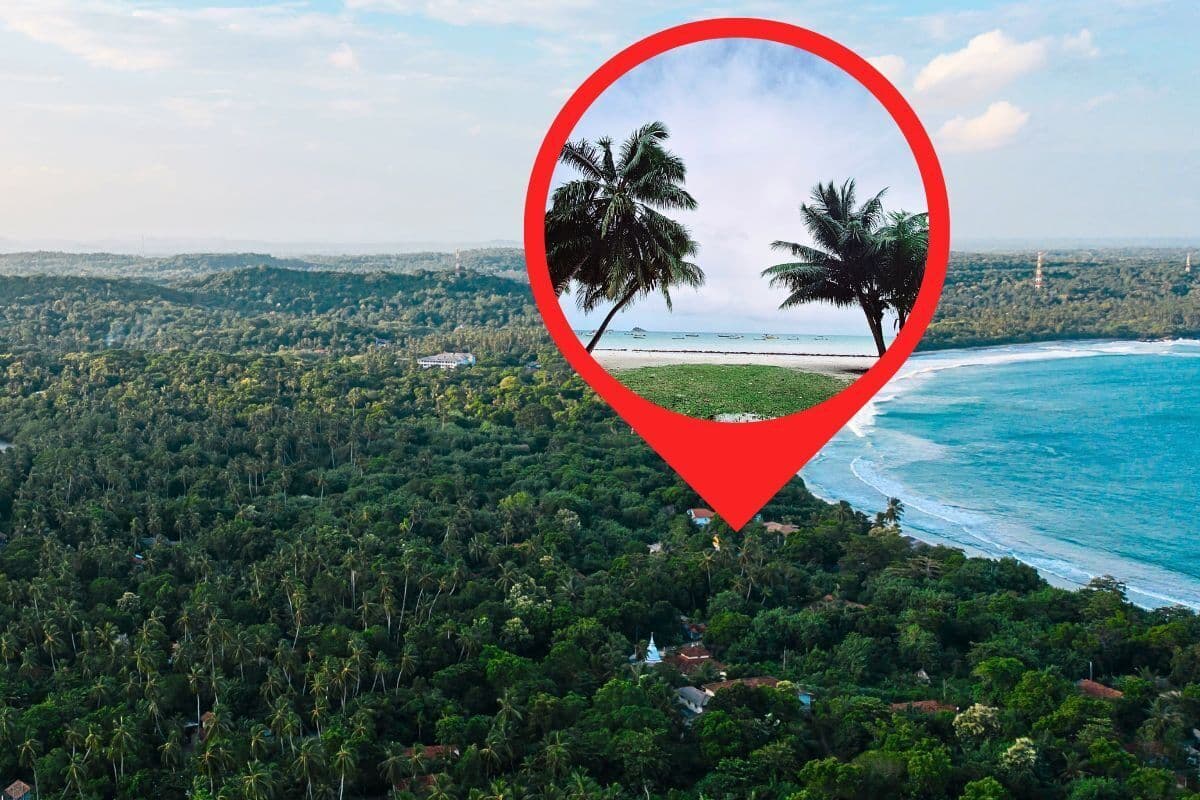
A viral property report has captured the attention of South African house hunters and investors, highlighting a coastal town where buyers can purchase acres of land for an astonishingly low price of R200,000. The report, which surfaced on 13 August 2026, has quickly become a major talking point across the country. In a real estate market where coastal properties are traditionally associated with premium price tags, the prospect of acquiring vast tracts of land for the price of an entry-level vehicle has sparked intense curiosity and debate.
While the initial trend data and reports from local media outlets point to this remarkable pricing, specific details regarding the exact geographical location of this coastal town remain undisclosed in the primary reports. This lack of immediate detail has only added to the mystery, prompting South Africans to speculate on where this budget-friendly haven might be situated. Historically, affordable coastal land in South Africa is found in more remote or less developed stretches of the coastline, far from the bustling metropolitan hubs of Cape Town, Durban, or Gqeberha.
The immense interest in this report is deeply rooted in South Africa's ongoing semigration trend. Over the past few years, thousands of families and remote workers have relocated from inland provinces, particularly Gauteng, to coastal regions in search of a better quality of life, lower crime rates, and scenic environments. However, popular coastal destinations in the Western Cape and parts of KwaZulu-Natal have seen property prices skyrocket, pricing out a significant portion of the middle class. A potential alternative offering acres of land for R200,000 represents a rare opportunity for those still hoping to make the coastal transition on a tight budget.
However, property experts urge caution, noting that what remains unclear is often more important than the headline price. Prospective buyers must consider whether the advertised land is fully serviced. In South Africa, undeveloped land in remote coastal areas often lacks basic municipal infrastructure, such as connection to the national electricity grid, municipal water supply, and proper sewerage systems. Installing these services independently can easily double or triple the initial purchase price of the land, turning a cheap acquisition into a costly long-term project.
Furthermore, the legal status of the land is another critical factor that buyers must verify. In some rural or coastal regions of South Africa, particularly along the Wild Coast or in parts of KwaZulu-Natal, land may be communal or subject to traditional authority administration rather than held under freehold title deeds. Understanding the difference between buying freehold land and entering into a long-term lease or permission to occupy (PTO) agreement is vital for protecting one's investment. The initial viral reports have not clarified the tenure type of the R200,000 plots, making thorough due diligence essential.
Zoning laws and environmental regulations also play a massive role in coastal developments. South Africa has strict coastal management laws designed to protect fragile marine ecosystems and dunes. Even if a buyer successfully purchases acres of land, they may face stringent restrictions on where and what they can build. In some cases, environmental impact assessments (EIAs) are required before any construction can begin, which can be both time-consuming and expensive.
Despite these hurdles, the allure of cheap land remains strong as South Africans grapple with high interest rates and a challenging economic climate. The ability to buy land outright without a massive home loan is an attractive prospect for many. It allows buyers to build slowly over time as funds become available, avoiding the burden of high monthly mortgage repayments. This trend towards incremental building is growing in popularity across various income groups in South Africa.
As the story continues to develop, South Africans will be watching closely to see which coastal municipality is home to these R200,000 plots. Property portals and local real estate agencies are likely to see an influx of queries as buyers seek to verify the listings. Until more concrete details emerge, interested parties are advised to research thoroughly, consult with registered property professionals, and verify all claims before making any financial commitments.
Reporting record
How this story was produced
This article was AI-generated from the frozen trend evidence and passed deterministic quality and safety gates. No cross-provider evidence review or independent human verification is claimed for this record.
- Byline
- Newstrends AI Newsroom
- First published
- Last material update
- No later material update recorded
- Distinct source identifiers
- 1 retained source identifier
Frozen source links for this publication
Chronology
Story timeline
A generated chronology for orientation; dates and details may require source verification.
Update
A viral report is published highlighting a coastal town where acres of land can be bought for R200,000, sparking widespread interest.
Reader file
Frequently asked questions
01Is the exact location of the R200,000 coastal land known?
No, the initial viral report from August 2026 does not specify the exact coastal town or province where this land is located.
02What should buyers consider before purchasing cheap coastal land in South Africa?
Buyers should verify if the land is serviced with water and electricity, check the zoning and environmental laws, and confirm the land tenure type (freehold vs communal land).
Keep reading
Related coverage
More published reporting connected to this story.

Winter Warmers: Greek Egg and Rice Soup Trends as South Africans Seek Comforting Recipes
A comforting Greek egg and rice soup recipe featured by The Citizen has gone viral in South Africa. As locals navigate the late winter cold snaps of August, this simple Mediterranean classic is capturing the attention of home cooks. The trend highlights a growing demand for budget-friendly, nourishing comfort food.

The Dangers of 'Looksmaxxing': Why Young South African Men Are Risking It All for the 'Perfect Face'
A report by South African publication The Citizen has highlighted the growing dangers of 'looksmaxxing,' a viral trend where young men risk their health for facial perfection. As the phenomenon gains traction locally, experts warn of the physical and psychological toll of these extreme aesthetic pursuits.

New Report Names Another South African Town as the Best Place to Live
A new lifestyle report published by BusinessTech has revealed another South African town voted as the best place to live. The announcement has quickly gone viral, sparking widespread interest among residents and prospective property buyers. While specific details about the winning town remain unconfirmed in initial reports, the trend highlights the country's ongoing interest in local governance and semigration.
The Citizen's Beef Potjie Stew Recipe Sparks Viral Interest Across South Africa
A traditional beef potjie stew recipe featured by The Citizen has gone viral in South Africa. Linked to Pick n Pay's 'Supper Sorted' campaign, the comfort food classic highlights a strong local preference for slow-cooked heritage meals. The trend reflects how digital lifestyle content and retail collaborations shape daily dining choices.

Precious Kofi Celebrates Intimate California Wedding, Captivating South African Readers
Reports have emerged detailing Precious Kofi's intimate wedding ceremony in California. The news has quickly gone viral, capturing the attention of South African audiences interested in her life journey abroad.