Late-Winter Chill: Morning Frost and Cloudy Conditions Set to Hit One South African Province
A newly developing weather system is expected to bring morning frost and cloudy conditions to one South African province. While the specific province remains unconfirmed, residents and farmers are advised to prepare for a sudden mid-August temperature drop.
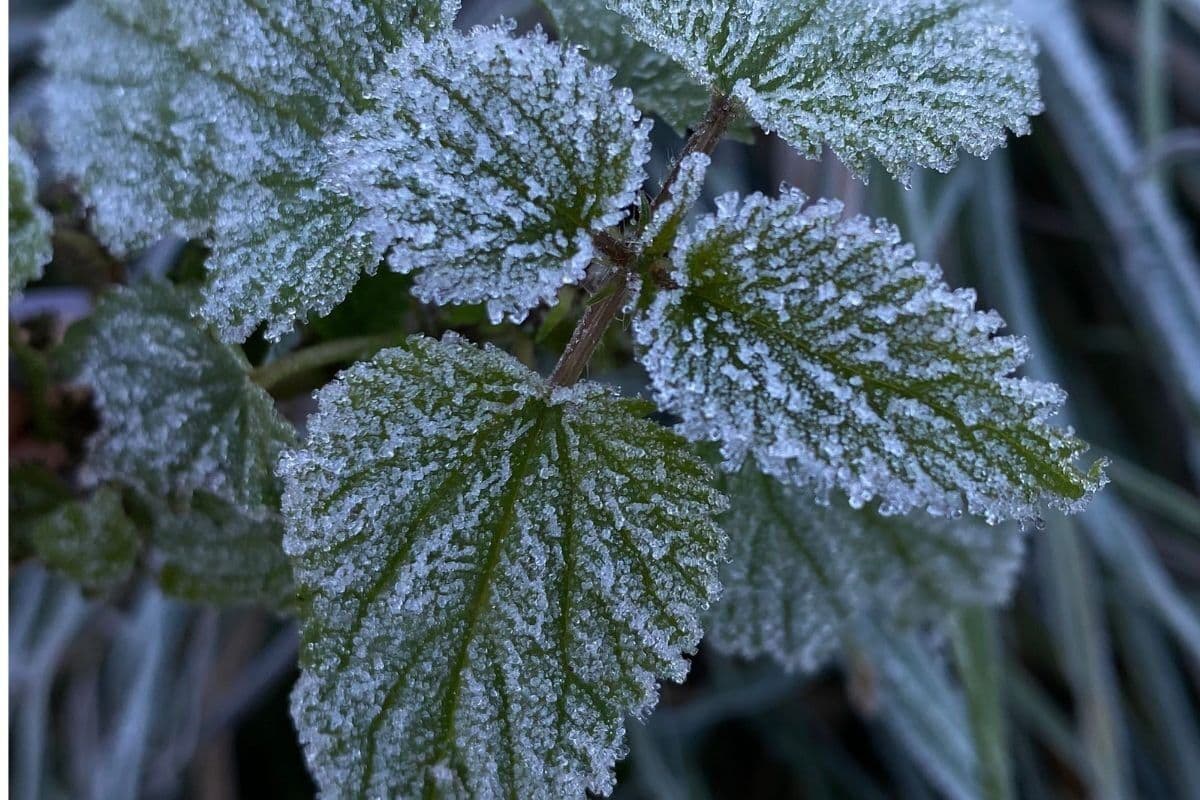
South Africans are preparing for a sudden dip in temperature as a new weather system threatens to bring morning frost to one of the country's provinces. According to reports published on 14 August 2026, this freezing start to the day will coincide with cloudy conditions moving across the region, marking a chilly turn in the mid-August weather pattern. The combination of early morning frost and advancing cloud cover signals a transitional phase in the late-winter atmosphere, prompting residents to brace for colder conditions.
At this stage, the initial reports from local news source The South African have highlighted the incoming frost and cloud cover but have not publicly specified which of South Africa's nine provinces will bear the brunt of the freezing weather. This lack of immediate geographic detail means that communities across the country's typically colder interior—including the Free State, North West, Gauteng, and parts of the Eastern Cape and Mpumalanga—must remain vigilant. Without a designated province, citizens are advised to keep a close eye on localized meteorological updates to confirm if their area is directly in the path of the frost.
The occurrence of morning frost in mid-August carries significant weight for South Africans, particularly those in the agricultural sector. August is a critical transitional month where winter begins to give way to spring, and many farmers are preparing their fields or managing early-season crops. A sudden, unexpected frost event can cause severe damage to tender young plants, buds, and winter vegetables. Understanding where and when the frost will strike is essential for implementing protective measures, such as covering crops or utilizing overhead irrigation to mitigate freezing damage.
The movement of cloudy conditions immediately following or during a frost event also presents a unique meteorological scenario. Typically, clear and windless nights are the primary catalysts for radiation frost, as heat escapes rapidly into the atmosphere. When clouds move in, they can trap the cold air close to the ground during the day, preventing the sun from warming up the earth. This can lead to a prolonged period of low daytime temperatures, making the day feel significantly colder and slower to warm up than usual for residents in the affected province.
For everyday South Africans, a morning frost warning requires immediate practical preparations. Homeowners are encouraged to protect frost-sensitive garden plants with frost cloth and ensure that domestic pets are brought indoors or provided with adequate warm shelter overnight. Additionally, in areas prone to severe sub-zero temperatures, exposed water pipes can freeze and potentially burst, leading to costly plumbing repairs. Taking simple preventative measures ahead of the cold snap can save households significant inconvenience.
Road safety is another major concern when morning frost is forecast. Early morning commuters in the affected province should prepare for icy windscreens and potentially hazardous driving conditions. Frost can create thin, invisible patches of ice on bridges, shaded bends, and quiet backroads. Drivers are urged to allow extra time for their journeys, ensure their vehicles' defrosters are working correctly, and maintain a safe following distance to account for reduced tyre grip on cold road surfaces.
As the weather system progresses, the primary focus for the public will be obtaining verified details from the South African Weather Service (SAWS). While the preliminary report from 14 August 2026 established the general threat of frost and cloudiness, upcoming official bulletins will provide the necessary geographic precision, expected minimum temperatures, and the anticipated duration of the cold spell. Residents across the country are advised to stay tuned to local radio stations, television weather reports, and official digital channels for the latest updates.
Reporting record
How this story was produced
This article was AI-generated from the frozen trend evidence and passed deterministic quality and safety gates. No cross-provider evidence review or independent human verification is claimed for this record.
- Byline
- Newstrends AI Newsroom
- First published
- Last material update
- No later material update recorded
- Distinct source identifiers
- 1 retained source identifier
Frozen source links for this publication
Chronology
Story timeline
A generated chronology for orientation; dates and details may require source verification.
Update
Weather alerts warn of incoming morning frost and cloudy conditions affecting one South African province.
Reader file
Frequently asked questions
01Which South African province will be affected by the morning frost?
The initial reports from 14 August 2026 do not specify which province will be hit. Residents across cold-prone interior provinces should monitor local weather updates.
02How does morning frost affect crops?
Morning frost can freeze the water inside plant cells, causing them to burst and damaging or killing young crops, buds, and winter vegetables.
03What precautions should motorists take during a frost warning?
Motorists should clear icy windscreens before driving, allow extra travel time, and drive cautiously as roads—especially bridges and shaded areas—may be slippery.
Keep reading
Related coverage
More published reporting connected to this story.
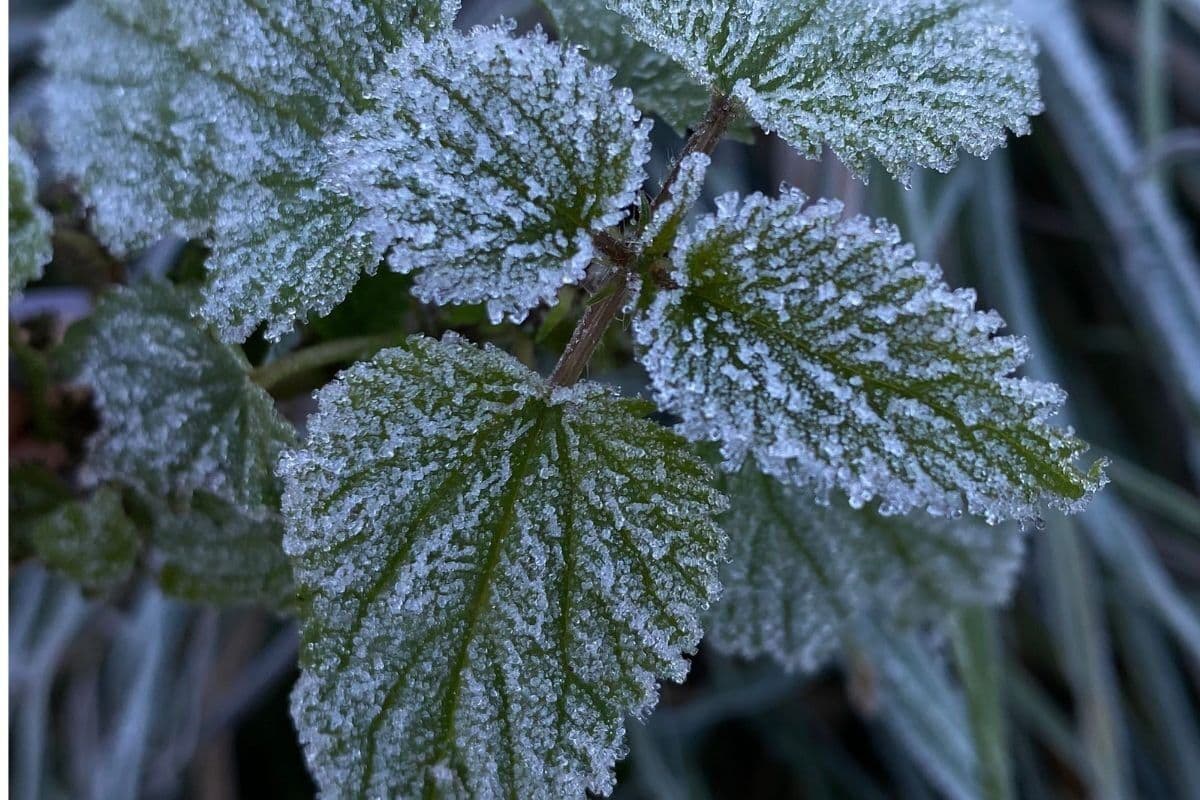
Weather Alert: Morning Frost Expected Across Multiple South African Provinces
A weather advisory has warned of expected morning frost across several South African provinces. While the specific regions have not been detailed, residents and farmers are urged to prepare for freezing early morning temperatures.
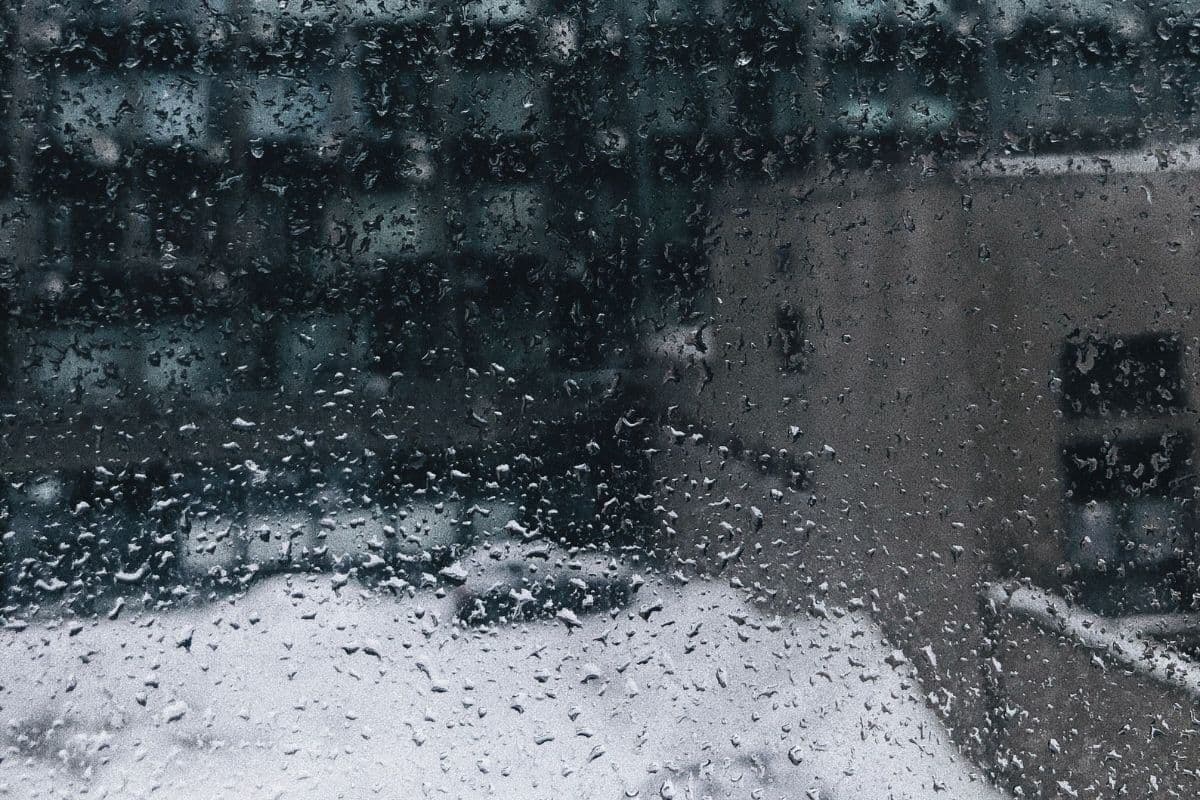
South Africa Braces for Late-Winter Weather with Morning Frost and Rain Expected
South Africans are advised to prepare for a mix of morning frost, isolated showers, and rain as late-winter weather patterns sweep across the country. The transitionary August weather brings both freezing temperatures and wet conditions.
Thursday’s Weather: Fine and Cool Conditions with Showers Forecast for Parts of South Africa
South Africans can expect a combination of fine, cool weather and localized showers on Thursday, 6 August 2026. While the exact regional breakdown remains unspecified, the transitional August weather highlights the need for cautious driving and layered clothing.
South Africa Braces for Severe Weather Alert Warning of Damaging Winds, Waves, and Extreme Fire Danger
A national weather alert has been issued for South Africa on 5 August 2026, warning of damaging winds, high waves, and extreme fire danger. While specific regional impacts remain unconfirmed, residents are urged to prepare for potential disruptions.
South Africa Braced for Snowfall and 'Very Cold' Weather as Winter Snap Hits
A major weather update warns of expected snowfall and extremely cold temperatures across South Africa starting the week of 27 July 2026. While specific regional details remain to be confirmed, residents and farmers are urged to prepare for winter hazards.