WEATHER ALERT: Bitter Cold and Rain Set to Sweep Across South Africa
South Africans are bracing for a sudden return to winter as a severe weather system brings freezing temperatures and rain across the country. The sudden cold snap, reported on 29 August 2026, is set to impact multiple provinces. Residents are advised to prepare for wet conditions and a sharp drop in temperatures.
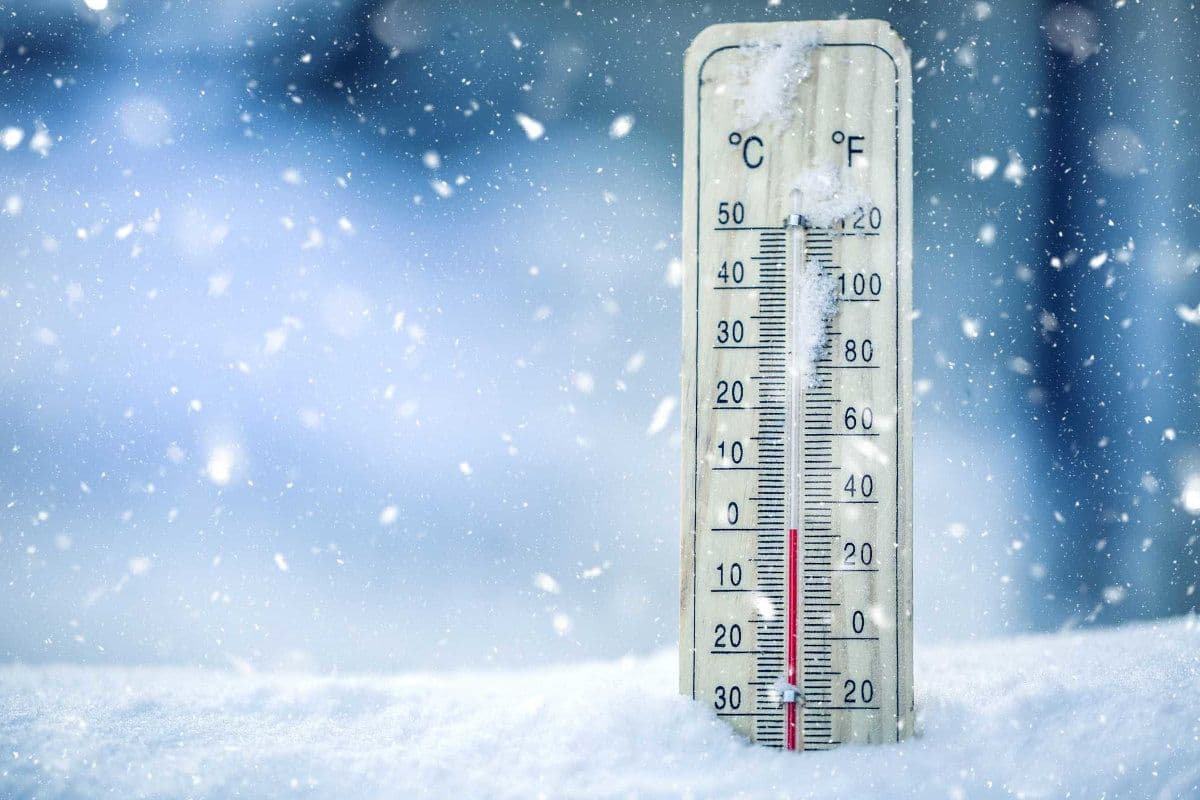
South Africans are bracing themselves for a sudden and severe shift in weather as reports indicate that bitter cold and rain are set to sweep across the country today. The weather alert, first flagged late on 29 August 2026, warns of a sharp drop in temperatures and widespread wet conditions, marking a significant interruption to any early signs of spring.
According to the initial reports published by local media outlet The South African, the incoming weather system is expected to bring both freezing conditions and rainfall. While the specific meteorological classifications—such as whether this is a formal cold front or a cut-off low—have not been detailed in the initial warning, the scale of the system is described as sweeping across the nation, indicating that multiple provinces could feel the impact of this sudden wintery grip.
A sudden cold snap in late August is a notable event for South Africans. Historically, this period represents the transition from the dry, cold winter months to the warmer spring season. However, late-season cold fronts are not entirely uncommon in South Africa, often bringing unexpected snowfall to high-lying areas and heavy downpours to coastal regions. This latest system serves as a stark reminder that winter has not yet fully relinquished its hold on the country.
At this stage, several crucial details regarding the weather system remain unconfirmed. The exact temperature minimums for major metropolitan areas, including Johannesburg, Cape Town, and Durban, have not been specified in the initial advisory. Additionally, the precise volume of expected rainfall and whether any formal severe weather warnings or watches have been issued by national meteorological authorities remain unclear. Residents are left waiting for localized breakdowns to understand how their specific municipalities will be affected.
Despite the lack of localized data, the warning of bitter cold and rain carries immediate practical implications for South Africans. Households will need to prepare for increased energy demands as heating systems are turned up, putting potential pressure on local infrastructure. For commuters, wet roads and reduced visibility during rainstorms present significant travel hazards, necessitating extra caution on national and municipal roads.
The agricultural sector and vulnerable communities are also likely to face challenges from this sudden cold snap. Farmers with livestock or sensitive crops must take precautions to protect their assets from freezing temperatures. Meanwhile, humanitarian organizations often highlight the severe impact of sudden, bitter cold on informal settlements, where adequate heating and insulation are frequently lacking, making safety and warmth a critical concern.
As the weather system develops throughout the day, the primary focus for South Africans will be monitoring official updates. Observers should look out for detailed forecasts from national weather services to confirm which regions will experience the lowest temperatures and heaviest rainfall. Staying informed through reputable local news sources and emergency services will be essential for navigating this abrupt return to winter conditions.
Reporting record
How this story was produced
This article was AI-generated from the frozen trend evidence and passed deterministic quality and safety gates. No cross-provider evidence review or independent human verification is claimed for this record.
- Byline
- Newstrends AI Newsroom
- First published
- Last material update
- No later material update recorded
- Distinct source identifiers
- 1 retained source identifier
Frozen source links for this publication
Chronology
Story timeline
A generated chronology for orientation; dates and details may require source verification.
Update
Initial reports emerge warning of a major weather system bringing bitter cold and rain to South Africa.
Update
The weather system is expected to sweep across the country, causing a sharp drop in temperatures.
Reader file
Frequently asked questions
01What weather is expected across South Africa today?
Reports indicate that bitter cold and rain are set to sweep across the country, bringing a sudden drop in temperatures and wet conditions.
02Which provinces will be hardest hit by the cold snap?
The exact regional breakdown and specific temperature minimums remain unclear in the initial reports, though the system is expected to sweep nationwide.
03When was this weather alert first reported?
The alert was captured late on 29 August 2026, warning of immediate impacts for the country.
Keep reading
Related coverage
More published reporting connected to this story.

WEATHER ALERT: Cloudy, cold conditions and rain set to hit two South African provinces
A new weather system is forecast to bring cold, cloudy conditions and rainfall to two South African provinces. While the specific regions have not yet been named, residents are urged to prepare for a late-winter temperature drop.
Weekend Weather Alert: Wind, Rain and Chilly Conditions Set to Hit Parts of South Africa
South Africans are warned to prepare for a cold, wet, and windy weekend as a late-winter weather system approaches. While specific regional details remain unconfirmed, residents across vulnerable areas are urged to take necessary precautions.
Thursday Weather: Strong Coastal Winds and Isolated Rain Forecast for Eastern South Africa
South Africans are advised to prepare for strong coastal winds and isolated rain in the eastern regions this Thursday. The transition towards spring brings typical late-August weather shifts across coastal and eastern provinces.
Rain and Strong Coastal Winds Forecast Across South Africa This Wednesday
South Africans are advised to prepare for wet weather and high winds along the coast this Wednesday, 26 August 2026. While initial reports confirm the incoming weather system, specific regional impacts and warning levels remain unconfirmed.
WEATHER ALERT: Rain Forecast for KwaZulu-Natal and Two Other Provinces
Weather forecasts indicate that rain is expected to hit three South African provinces, with specific alerts issued for parts of KwaZulu-Natal. While the exact details of the other two provinces remain unconfirmed, residents are advised to prepare for wet conditions.