'We Worked So Hard': South African Pensioners Say SASSA Grants Fail to Reflect a Lifetime of Labour
Elderly South Africans are calling for a reassessment of state support, arguing that current SASSA pension grants do not reflect their decades of hard work. The growing outcry highlights the economic pressures facing pensioners as they struggle to maintain a dignified retirement.
On 20 July 2026, reports emerged highlighting the growing frustration among South African pensioners regarding the adequacy of the South African Social Security Agency (SASSA) Older Persons Grant. Under the poignant sentiment, 'We worked so hard,' elderly citizens are speaking out, asserting that the current state pension does not adequately reflect or reward a lifetime of labour and dedication to the country's economy. The outcry highlights a deepening disconnect between the rising cost of living and the financial safety nets provided to the country's senior citizens.
For many older South Africans, the SASSA Older Persons Grant is not just a supplementary benefit but their primary, and often sole, source of income. When retirees express that these monthly payouts fail to honour their decades of work, it points to a systemic issue. The sentiment underscores a widespread feeling of vulnerability among the elderly, who find themselves struggling to cover basic household needs despite having spent their lives contributing to the national workforce through various forms of employment.
In the South African context, social grants are a critical safety net designed to alleviate poverty and support vulnerable populations. The Older Persons Grant is distributed monthly to eligible citizens aged 60 and older. However, as inflation and the cost of basic commodities—such as food, electricity, and healthcare—continue to climb across the country, the purchasing power of these grants has faced severe pressure. While the government periodically adjusts these figures, recipients argue that the increments do not keep pace with the real-world cost of living.
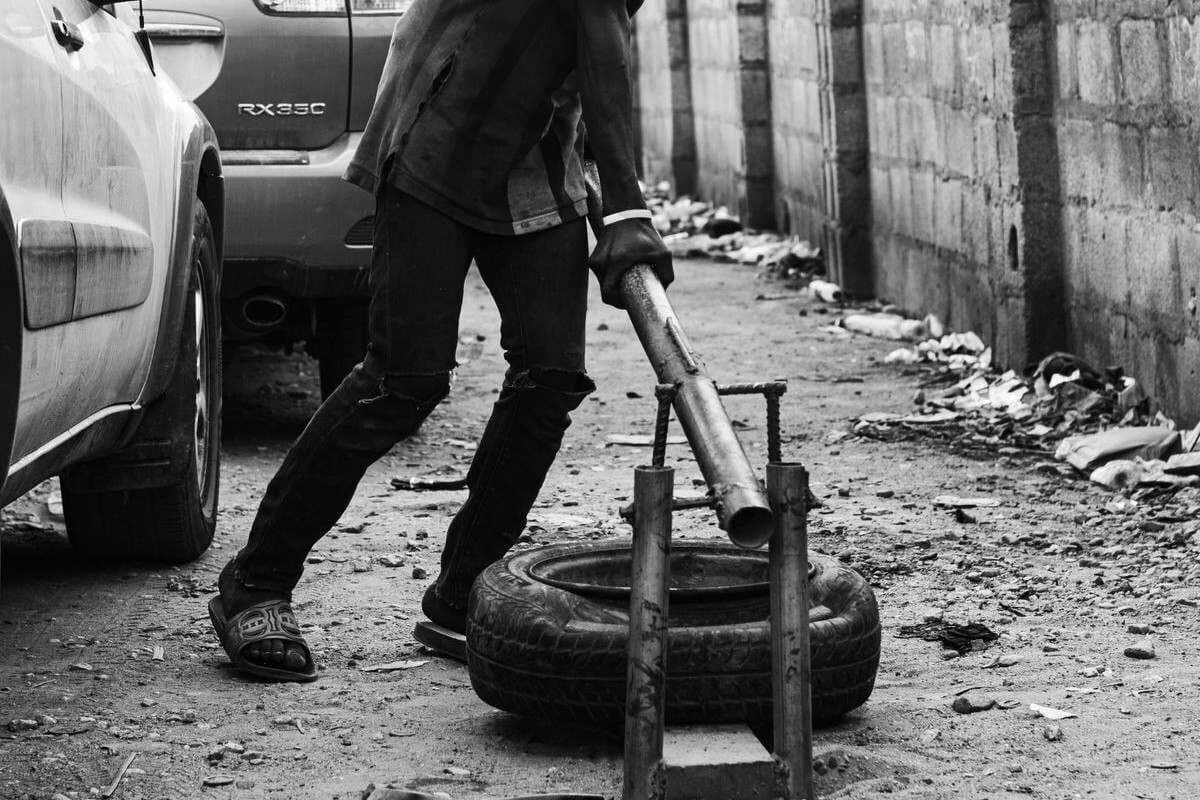
The core of the current outcry is the feeling that the social security system devalues the historical contributions of working-class citizens. Pensioners feel that after decades of physical, administrative, or domestic labour, the transition into retirement should be marked by dignity and financial security, rather than a monthly struggle for survival. The phrase 'doesn't reflect a lifetime of labour' encapsulates a moral and economic plea for better recognition of their past efforts and contributions to building the nation.
While the recent reports bring these emotional appeals to the forefront, specific details regarding any immediate policy changes or proposed grant increases remain unconfirmed. The trend data does not outline whether the Department of Social Development is planning a mid-year adjustment or if formal petitions have been submitted to Parliament by pensioner advocacy groups. It remains unclear how treasury officials or SASSA representatives will officially respond to this specific wave of public dissatisfaction.
In many South African communities, the practical implications of inadequate pensions are profound. A pensioner's grant does not just support the individual; it often sustains multi-generational households. Grandparents frequently use their SASSA payouts to buy food for grandchildren, pay for school transport, or cover emergency medical bills. Consequently, when the value of the pension falls short, the negative economic impact ripples through entire families, exacerbating local poverty cycles and placing additional strain on community support networks.
This debate over the adequacy of social grants comes at a time when South Africa faces ongoing discussions about social security reforms, including debates around a basic income grant and pension system restructuring. For elderly advocates, the immediate priority remains securing a liveable pension that respects the dignity of aging workers. The current frustrations highlight the need for a comprehensive review of how the state supports its elderly population.
Looking ahead, civil society groups and pensioner organisations are likely to continue putting pressure on the Department of Social Development and SASSA. Observers will be watching the upcoming government budget statements to see if there are any allocations or adjustments aimed at addressing the concerns of the elderly. Until then, the poignant reminder from the country's senior citizens remains clear: a lifetime of hard work deserves a retirement of dignity, security, and respect.
Reporting record
How this story was produced
This article was AI-generated from the frozen trend evidence and passed deterministic quality and safety gates. No cross-provider evidence review or independent human verification is claimed for this record.
- Byline
- Newstrends AI Newsroom
- First published
- Last material update
- No later material update recorded
- Distinct source identifiers
- 1 retained source identifier
Frozen source links for this publication
Chronology
Story timeline
A generated chronology for orientation; dates and details may require source verification.
Update
Reports highlight widespread pensioner dissatisfaction regarding the adequacy of SASSA grants relative to a lifetime of labour.
Reader file
Frequently asked questions
01Why are South African pensioners expressing frustration over SASSA grants?
Pensioners argue that the current SASSA Older Persons Grant does not reflect their lifetime of hard work and labour, leaving many struggling to afford basic living expenses in retirement.
02What are the primary challenges faced by elderly grant recipients?
Recipients face rising costs of food, electricity, and healthcare, which quickly deplete the purchasing power of their monthly social grants.
03Are there any immediate changes planned for SASSA pension grants?
According to current trend data, it remains unclear whether the government or SASSA will implement immediate policy changes or grant increases in response to these complaints.
Keep reading
Related coverage
More published reporting connected to this story.
SASSA Pensioners Demand Monthly Grants Match the National Minimum Wage
South African pensioners are calling for a major increase in SASSA old-age grants to match the national minimum wage. The demand for a R4,000 monthly payout highlights the growing financial strain on elderly citizens amidst rising living costs.

SASSA Warns: Some Beneficiaries Face Staggered Grant Payments in August 2026
The South African Social Security Agency (SASSA) has issued a warning indicating that not all beneficiaries will receive their August grant payments at the same time as others. This alert, released in mid-July, highlights potential payment disparities for an unspecified group of recipients next month, urging vigilance.
SASSA Sacks Four Officials Amid R33 Million Social Grants Fraud Probe
The South African Social Security Agency (SASSA) has dismissed four officials following their alleged involvement in a R33 million social grants fraud scheme. The dismissals come as the agency continues its efforts to combat corruption and protect vital social welfare funds. This move underscores SASSA's commitment to accountability within its ranks.
SASSA Push Back Grant Payments for Flagged Beneficiaries to August
South African social grant beneficiaries flagged for review face payment delays, with disbursements pushed back to August. While the delay is confirmed, the exact payment dates and specific causes remain unverified.

‘Not Enough’: SASSA Beneficiary Exposes Daily Survival Struggles on R580 Monthly Grant
A SASSA beneficiary has highlighted the severe financial strain of surviving on a monthly grant of R580. The public disclosure underscores the growing gap between state welfare support and the rising cost of living in South Africa.