SASSA Pensioners Demand Monthly Grants Match the National Minimum Wage
South African pensioners are calling for a major increase in SASSA old-age grants to match the national minimum wage. The demand for a R4,000 monthly payout highlights the growing financial strain on elderly citizens amidst rising living costs.
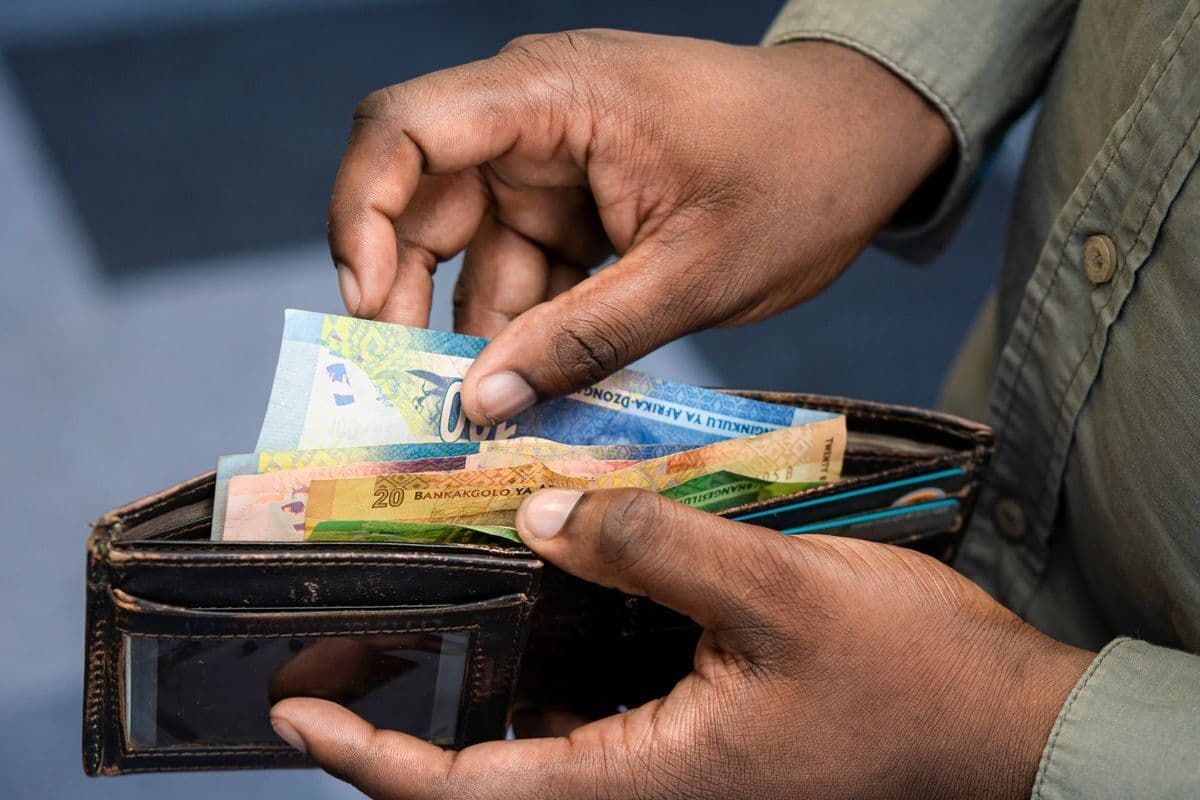
South African pensioners are calling for a significant increase in their monthly government support, demanding that the South African Social Security Agency (SASSA) old-age grant be raised to match the national minimum wage. This growing movement, highlighted in reports on 20 July 2026, centers on a proposal to increase the monthly pension payout to approximately R4,000. The demand reflects the mounting financial pressures faced by elderly citizens who struggle to cover basic living expenses under the current social security framework.
According to details emerging from the call for reform, the benchmark of R4,000 a month is seen as a necessary baseline to align elderly support with the country's minimum wage standards. Pensioners and advocacy groups argue that the existing SASSA old-age grant falls short of providing a dignified standard of living. By linking the social grant directly to the national minimum wage, proponents hope to establish a more equitable system that adjusts dynamically to the actual cost of living in South Africa.
The significance of this demand cannot be understated in the current South African economic climate. Social grants serve as a primary source of income for millions of households across the country, often supporting entire multi-generational families rather than just the individual recipient. When inflation, food prices, and utility costs rise, the purchasing power of these grants is severely eroded. Elevating the pension to match the minimum wage would represent a fundamental shift in how the state supports its most vulnerable older citizens.
However, implementing an increase to R4,000 a month poses massive fiscal and practical challenges for the South African government. The National Treasury and the Department of Social Development would need to locate substantial additional funding to support such a major adjustment. Social security spending already constitutes a significant portion of the national budget, and any major upward revision would require either increased taxation, budget reallocation from other sectors, or increased national debt—options that remain highly controversial among policymakers and economists.
At this stage, several critical details remain unclear. The reports from July 2026 do not specify which official pensioner organizations or civil society groups are leading this specific campaign, nor have they detailed any formal petitions submitted to Parliament or SASSA offices. Furthermore, government officials have not yet released a formal response regarding the feasibility of matching the old-age grant with the national minimum wage. It remains to be seen whether this demand will lead to structured negotiations or public demonstrations.
This development fits into a broader, ongoing national debate about the adequacy of South Africa's social safety net. Critics of the current system point out that while social grants prevent extreme poverty, they do not lift recipients into sustainable financial security. On the other hand, fiscal conservatives warn that expanding the social wage without corresponding economic growth could destabilize the country's public finances. The demand for a R4,000 pension brings these competing perspectives into sharp focus.
As South Africans watch this situation unfold, the next key milestones will likely involve formal responses from the Minister of Social Development and the National Treasury. Observers will also be looking to see if other beneficiary groups, such as disability or child support grant recipients, join the call for systemic grant increases. Whether the government will address these demands in upcoming budget policy statements or ignore them due to fiscal constraints remains a pivotal question for millions of elderly citizens relying on SASSA.
Reporting record
How this story was produced
This article was AI-generated from the frozen trend evidence and passed deterministic quality and safety gates. No cross-provider evidence review or independent human verification is claimed for this record.
- Byline
- Newstrends AI Newsroom
- First published
- Last material update
- No later material update recorded
- Distinct source identifiers
- 1 retained source identifier
Frozen source links for this publication
Chronology
Story timeline
A generated chronology for orientation; dates and details may require source verification.
Update
Reports emerge detailing demands by SASSA pensioners to increase monthly grants to R4,000 to match the national minimum wage.
Reader file
Frequently asked questions
01What are SASSA pensioners demanding?
Pensioners are demanding that the SASSA old-age grant be increased to match the national minimum wage, targeting a monthly payout of approximately R4,000.
02Why are pensioners asking for R4,000 a month?
The demand is aimed at aligning social pensions with national minimum wage standards to help elderly citizens cope with the rising cost of living and support their households.
03Has the government responded to these demands?
As of July 2026, there has been no formal response from SASSA, the Department of Social Development, or the National Treasury regarding these demands.
Keep reading
Related coverage
More published reporting connected to this story.

‘Not Enough’: SASSA Beneficiary Exposes Daily Survival Struggles on R580 Monthly Grant
A SASSA beneficiary has highlighted the severe financial strain of surviving on a monthly grant of R580. The public disclosure underscores the growing gap between state welfare support and the rising cost of living in South Africa.
SASSA Warns: Some Beneficiaries Face Staggered Grant Payments in August 2026
The South African Social Security Agency (SASSA) has issued a warning indicating that not all beneficiaries will receive their August grant payments at the same time as others. This alert, released in mid-July, highlights potential payment disparities for an unspecified group of recipients next month, urging vigilance.
SASSA Sacks Four Officials Amid R33 Million Social Grants Fraud Probe
The South African Social Security Agency (SASSA) has dismissed four officials following their alleged involvement in a R33 million social grants fraud scheme. The dismissals come as the agency continues its efforts to combat corruption and protect vital social welfare funds. This move underscores SASSA's commitment to accountability within its ranks.

Major Metro Ordered to Stop Threatening Private Schools as SOE Owes South Africans R21 Billion
A major South African city has been ordered to halt its threatening behaviour towards private schools. Meanwhile, an unnamed state-owned enterprise is under fire for owing citizens a staggering R21 billion, highlighting ongoing public sector challenges.
The Hidden Cost of Debt is Hitting South African Homes Harder Than Ever
A rising tide of hidden borrowing costs is putting unprecedented pressure on South African household budgets. As secondary fees and insurance premiums compound, consumers face a growing financial squeeze.