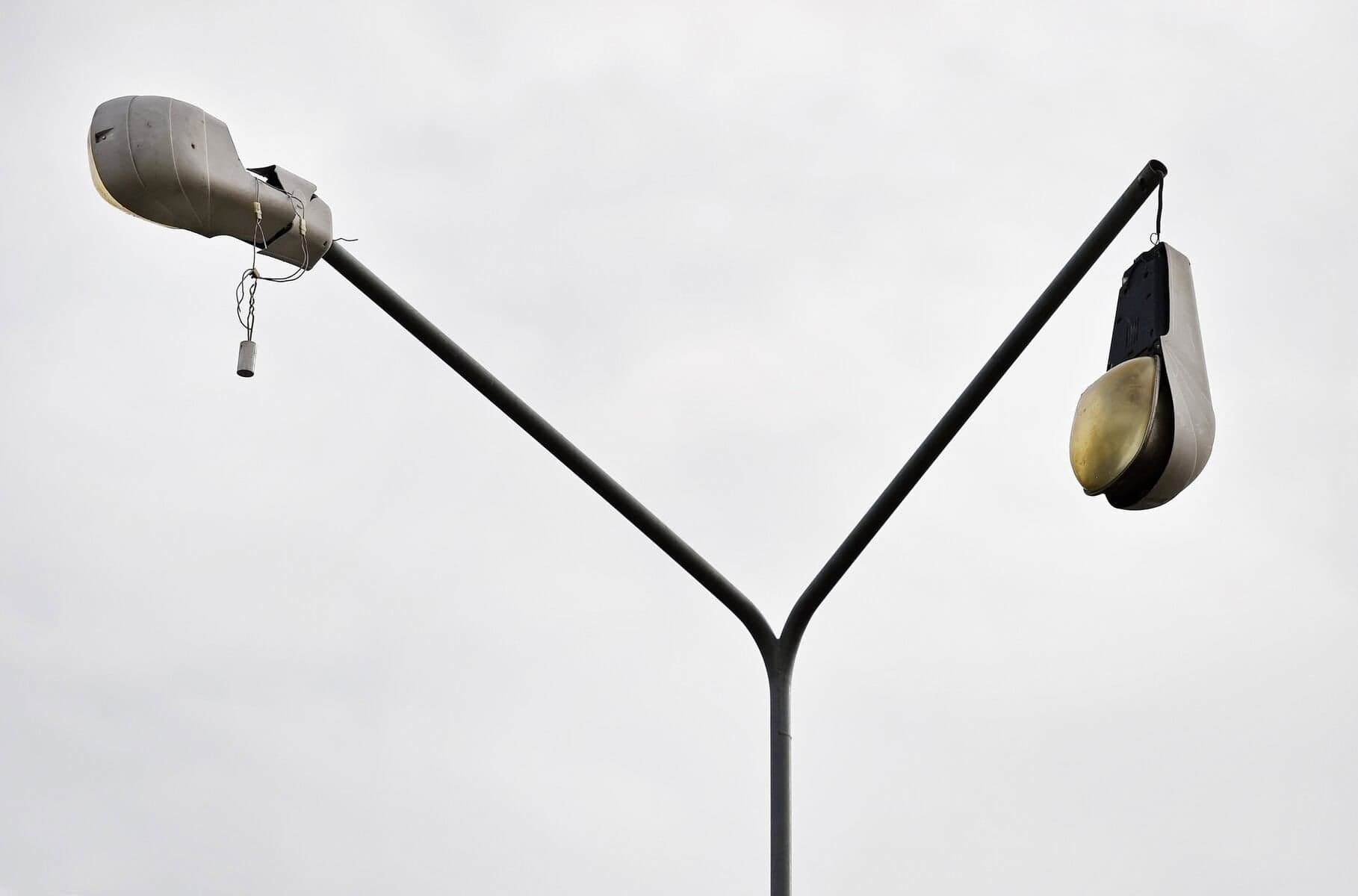
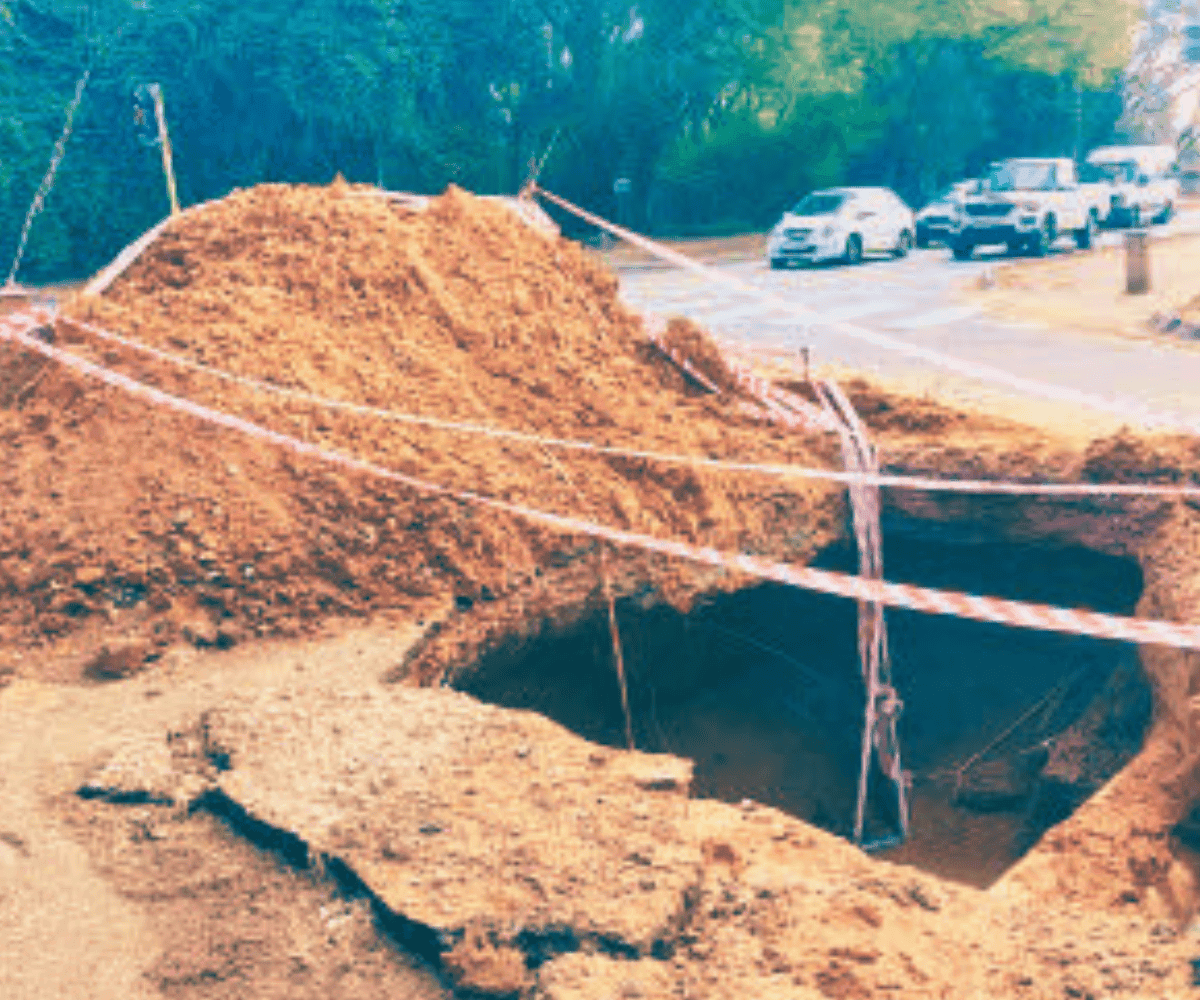
The City of Tshwane has officially commenced a major streetlight repair drive aimed at restoring lighting infrastructure across the capital city. According to reports emerging on 9 September 2026, the municipality is targeting widespread outages that have affected various parts of the metro. This initiative represents a direct effort by the local government to address ongoing service delivery challenges that have impacted residents across the capital's sprawling suburbs.
Streetlight maintenance remains a cornerstone of municipal service delivery in South African metropolitan areas. Functional public lighting is not merely a matter of aesthetic appeal; it plays a critical role in ensuring public safety, reducing opportunities for opportunistic crime, and improving overall road safety for both motorists and pedestrians during the night-time hours. By rolling out this dedicated repair drive, the City of Tshwane is responding to a key area of public concern regarding urban infrastructure.
While the announcement of the capital-wide repair drive has been welcomed, the initial reports contain limited specific details regarding the operational logistics of the rollout. It is confirmed that the drive is intended to span across the capital, but the precise number of streetlights targeted for repair has not been publicly disclosed in the initial coverage. Furthermore, the exact municipal departments involved and the specific technical partners executing the repairs remain to be detailed by city officials.
For residents eager to see changes in their local neighbourhoods, several critical pieces of information remain unclear. The municipality has not yet published a detailed, suburb-by-suburb schedule indicating which areas will be prioritised first. Additionally, the overall budget allocated for this extensive maintenance drive, as well as the projected timeline for its completion, has not been specified. This lack of detailed scheduling means that residents across Tshwane's various regions will have to wait for further municipal updates to know when their specific streets will be reached.
The challenges facing Tshwane's lighting infrastructure are reflective of broader systemic issues encountered by municipalities across South Africa. Public infrastructure in South African cities is frequently subjected to external pressures, including cable theft, vandalism, and the wear and tear of aging systems. These factors often exacerbate the backlog of broken streetlights, making coordinated maintenance drives essential to prevent long-term decay of municipal assets.
The practical implications of a successful rollout are significant for the daily lives of Tshwane's citizens. Improved street lighting is widely understood to foster a sense of community security and to encourage local economic activity after dark. Conversely, prolonged outages can lead to increased anxiety among residents and can create hazardous conditions on municipal roads. The progress of this repair drive will therefore be closely watched by local business owners and community policing forums alike.
In the absence of a publicised master schedule, community-level monitoring will likely play a vital role in tracking the effectiveness of the drive. South African civic organisations and ward councillors frequently actively monitor municipal service delivery to ensure that resources are distributed equitably across all communities. Residents are encouraged to continue reporting broken streetlights through official municipal channels to ensure their areas are registered on the city's maintenance database.
Moving forward, the key indicator of success for this initiative will be the visible improvement of lighting on Tshwane's streets and the transparency of the rollout process. Observers and residents will be watching closely to see if the City of Tshwane releases comprehensive updates regarding the progress of the repairs, the financial expenditures involved, and the long-term measures being put in place to protect the newly repaired infrastructure from future vandalism and theft.