Transforming Durban: Weekly Operations Launched to Reclaim and Restore Public Areas
Reports from the Sunday Tribune reveal an ongoing initiative to transform Durban through weekly municipal operations. The campaign aims to reclaim and restore public spaces, addressing urban decay and safety concerns across the metro.
A major initiative aimed at revitalising the urban landscape of KwaZulu-Natal’s premier coastal city has come to light, with reports highlighting ongoing efforts to restore order and cleanliness. According to a report published by the Sunday Tribune on 24 August 2026, weekly operations are being conducted under the banner of transforming Durban and reclaiming its public areas. This initiative represents a structured attempt to address urban decay and improve the liveability of the metro's public spaces.
The core focus of these weekly operations, as identified in the initial reporting, is the systematic reclamation of public spaces across Durban. While the specific municipal departments involved have not been exhaustively listed in the preliminary reports, such urban transformation campaigns in South African metropolitan areas typically require close coordination between local law enforcement, waste management services, and urban planning units. The goal remains to create a safer, cleaner, and more welcoming environment for residents, visitors, and local businesses alike.
For Durban, a city that relies heavily on tourism and commercial activity, the state of its public areas is of paramount importance. Over recent years, public discourse in the eThekwini Municipality has frequently centred on the need for sustained maintenance of parks, beaches, and central business districts. By implementing weekly operations rather than ad-hoc clean-ups, authorities appear to be aiming for a more sustainable model of urban management, though the long-term viability of this frequency remains to be seen.
At this stage of the reporting, several key details regarding the operations have not been fully publicised. It remains unclear which specific neighbourhoods or public parks are being prioritised in the initial phases of the weekly schedule. Additionally, official statistics regarding the budget allocated for these weekly operations, the number of personnel deployed, and the specific legal frameworks being used to reclaim these spaces have not been detailed in the initial Sunday Tribune report.
The term "reclaiming public areas" often carries diverse implications in the South African context. It typically encompasses a wide range of activities, from repairing broken municipal infrastructure and clearing illegal dumping sites to regulating informal trading and addressing security concerns. How the eThekwini Municipality balances these enforcement actions with social support systems—particularly for vulnerable populations occupying public spaces—is an important aspect of the transformation strategy that observers will need to monitor closely.
The emphasis on a weekly schedule is a notable aspect of this transformation drive. Urban experts often point out that single, high-profile clean-up campaigns rarely yield lasting results if they are not backed by consistent maintenance. A weekly operational cadence suggests a commitment to preventing the immediate regression of cleaned areas, although this model places a continuous demand on municipal resources and staffing.
Local businesses and community organisations in Durban have long advocated for stronger municipal intervention to safeguard public infrastructure. Clean and secure public spaces are widely seen as critical drivers for economic recovery, particularly in attracting investment back to the inner city and boosting the local tourism sector. The progress of these weekly operations will therefore be watched closely by business forums and ratepayer associations.
As Durban embarks on this publicised transformation path, the next steps will involve monitoring the tangible outcomes of these weekly operations. Residents and stakeholders will be looking for official updates from the eThekwini Municipality regarding the specific areas targeted each week, as well as measurable indicators of success, such as reduced crime statistics, improved waste collection rates, and the restoration of public amenities.
Reporting record
How this story was produced
This article was AI-generated from the frozen trend evidence and passed deterministic quality and safety gates. No cross-provider evidence review or independent human verification is claimed for this record.
- Byline
- Newstrends AI Newsroom
- First published
- Last material update
- No later material update recorded
- Distinct source identifiers
- 1 retained source identifier
Frozen source links for this publication
Chronology
Story timeline
A generated chronology for orientation; dates and details may require source verification.
Update
The Sunday Tribune publishes details on Durban's weekly operations to reclaim public areas.
Reader file
Frequently asked questions
01What is the main objective of the Durban transformation operations?
The operations aim to reclaim and restore public areas in Durban through weekly municipal interventions to address urban decay and safety.
02Who is reporting on these weekly operations?
The initiative was highlighted in a report by the Sunday Tribune on 24 August 2026.
03Which specific areas in Durban are being targeted first?
The initial reports have not yet detailed the specific neighbourhoods or parks prioritised in the weekly schedule.
Keep reading
Related coverage
More published reporting connected to this story.
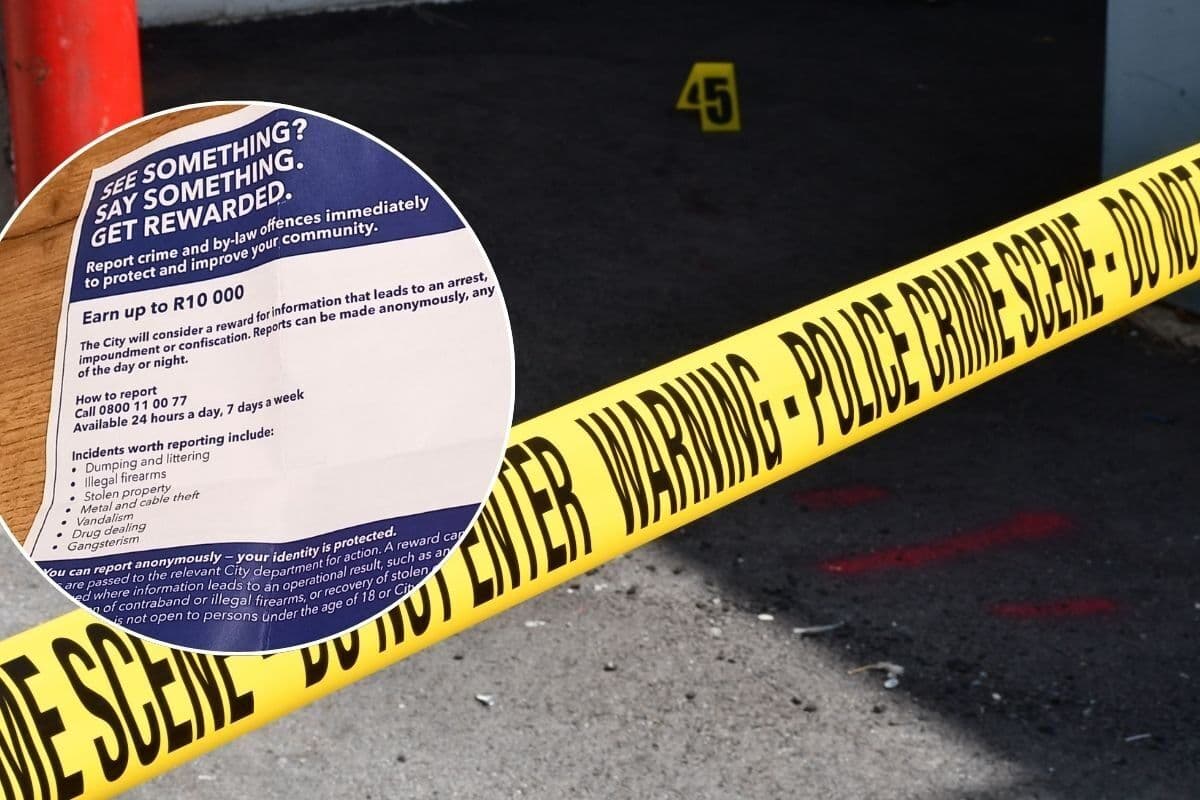
City of Cape Town Offers R10,000 Reward for Reporting Crime
The City of Cape Town has announced a financial incentive of R10,000 for residents who report criminal activity. While the headline reward is clear, many practical details regarding eligibility and safety remain to be finalized.
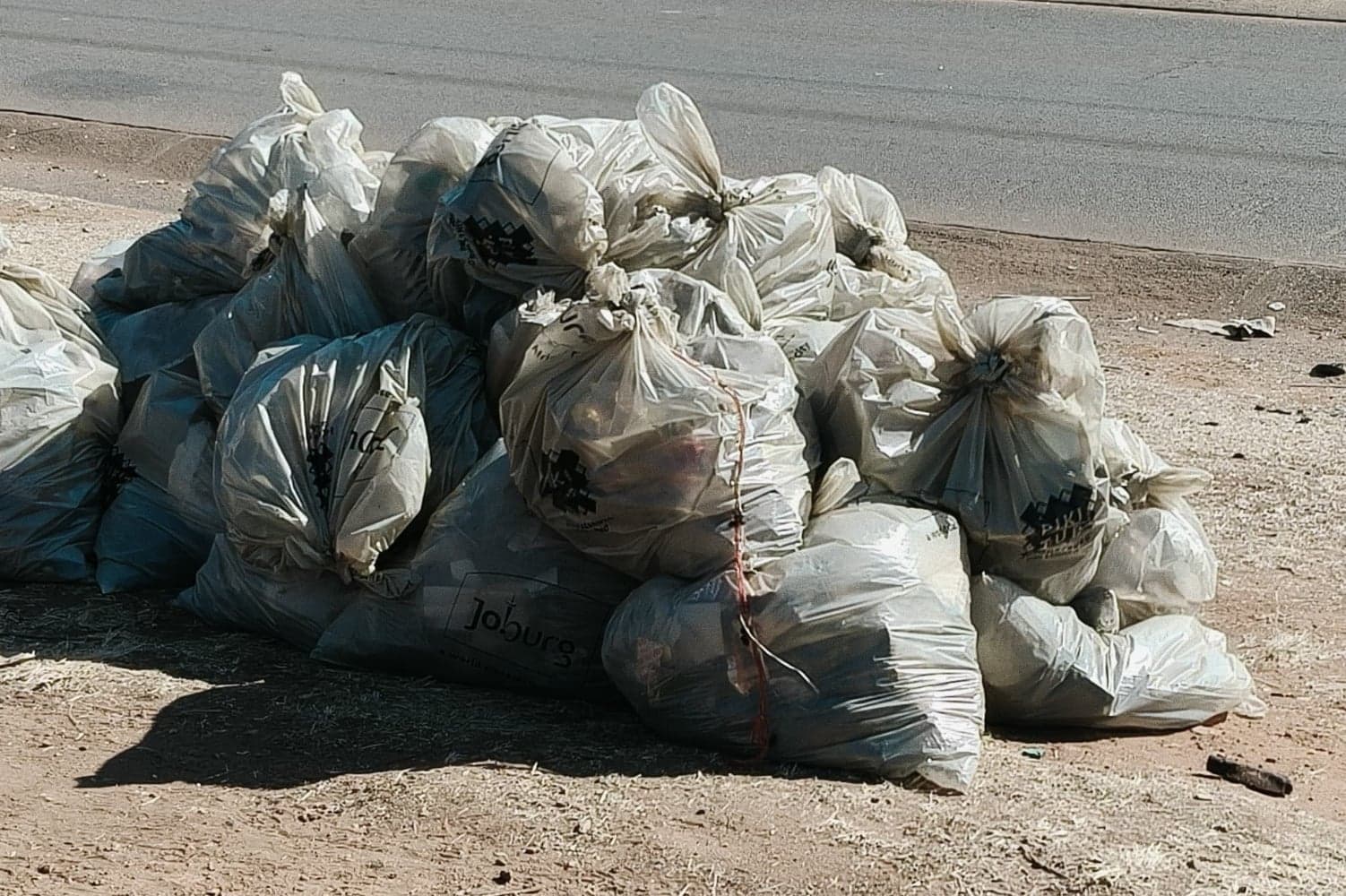
Pikitup Addresses Johannesburg Refuse Backlog With Expected Clearance Timeline
Johannesburg’s waste utility, Pikitup, has indicated when it expects to clear the refuse collection backlog currently affecting several suburbs. While a recovery plan is underway, residents are advised to monitor official channels for localized service schedules.
Sunday Tribune Piece on the Allure of Ethnic Politics Sparks Nationwide Discussion
A viral opinion piece published by the Sunday Tribune has reignited debate over the role of ethnic mobilization in South African politics. The article highlights the ongoing tension between national unity and cultural identity. Analysts suggest the topic's high engagement reflects deep public interest in how political movements utilize identity-based protests.

Concerns Rise Over Decision That Could Create a 'Ghost Town' in Wealthy Western Cape Area
A major warning has been issued regarding a controversial decision that threatens to destabilise one of the Western Cape's wealthiest areas. Analysts warn the move could lead to severe disinvestment, turning a prosperous economic hub into a ghost town.
Durban road closures today: What local motorists need to know
Motorists in Durban are facing travel disruptions today, 17 August 2026, following alerts of active road closures. Commuters are advised to plan ahead and seek alternative routes as specific closure details remain unconfirmed.