Thembisa Man Sentenced to Life Imprisonment for Locking Up and Raping Partner for Months
A Thembisa man has received a life sentence after keeping his partner locked in a room and raping her for several months. The ruling highlights the South African judiciary's firm stance against severe gender-based violence.
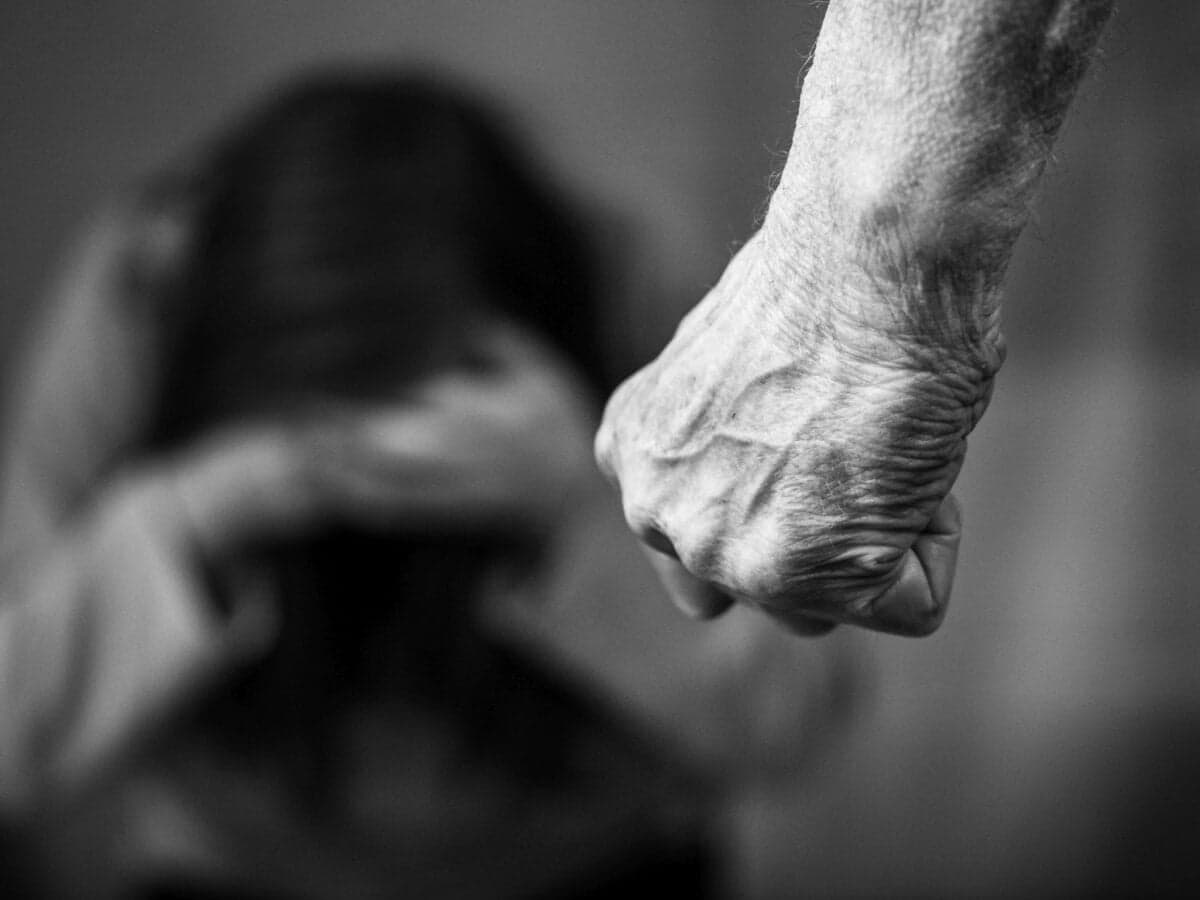
A man from Thembisa has been sentenced to life imprisonment after being found guilty of locking his partner in a room and raping her repeatedly over a period of several months. The sentencing, which was confirmed on 4 September 2026, represents a decisive judicial action against extreme intimate partner violence and prolonged abuse in Gauteng.
According to the verified reports, the perpetrator subjected his partner to severe physical and psychological trauma by keeping her confined against her will. During this period of captivity, which lasted for months, the victim was repeatedly assaulted. While the severe sentence of life imprisonment has been handed down, many specific details concerning the case—such as the names of the individuals involved, the exact location of the confinement within Thembisa, and the precise timeline of the trial—have not been made public to protect the identity of the survivor and comply with legal standards.
The ruling is highly significant within the South African context, where gender-based violence (GBV) is widely recognized as a national crisis. For years, activists, community leaders, and government officials have demanded that the justice system impose the harshest possible penalties on those convicted of sexual offences and domestic abuse. The life sentence handed down to the Thembisa man is seen as a firm assertion by the courts that such heinous acts of violence will meet with the maximum severity of the law.
From a legal perspective, the imposition of a life sentence in cases of rape and unlawful confinement aligns with South Africa’s strict sentencing guidelines for aggravated sexual offences. Presiding officers in South African courts are mandated to consider the severity of the abuse, the vulnerability of the victim, and the duration of the crime when determining appropriate punishment. By keeping his partner locked away for months, the perpetrator committed a continuous offence that combined kidnapping, assault, and rape, justifying the ultimate sentence.
The practical implications of this case for local communities are profound. Thembisa, one of the largest townships in the East Rand of Gauteng, faces ongoing challenges related to crime and domestic violence. This case highlights the critical importance of community awareness and the need for neighbors to report suspicious activities. In instances where a victim is locked away and isolated from the outside world, the intervention of neighbors, family members, or local community policing forums (CPFs) often becomes the only lifeline.
Despite the conclusion of the trial and the sentencing, several aspects of the case remain unclear. The specific details of how the victim was eventually rescued from the room, whether any accomplices assisted the perpetrator, and the exact date of the arrest have not been detailed in the initial reports. Additionally, it remains to be seen whether the convicted man will attempt to appeal the life sentence or if the National Prosecuting Authority (NPA) will release a comprehensive statement detailing the prosecution's strategy.
Moving forward, South Africans and advocacy groups will be watching closely to see how this case influences future rulings on intimate partner violence. Anti-GBV organizations are expected to use this landmark sentencing to lobby for faster court processes and better protection for victims who report abuse before it escalates to captivity. The case stands as a stark reminder of the hidden horrors of domestic violence and the ongoing battle to secure justice for survivors across the nation.
Reporting record
How this story was produced
This article was AI-generated from the frozen trend evidence and passed deterministic quality and safety gates. No cross-provider evidence review or independent human verification is claimed for this record.
- Byline
- Newstrends AI Newsroom
- First published
- Last material update
- No later material update recorded
- Distinct source identifiers
- 1 retained source identifier
Frozen source links for this publication
Chronology
Story timeline
A generated chronology for orientation; dates and details may require source verification.
Update
The life imprisonment sentence for the Thembisa man is reported publicly.
Reader file
Frequently asked questions
01What sentence did the Thembisa man receive?
The man was sentenced to life imprisonment.
02What were the charges against the perpetrator?
He was convicted of locking his partner in a room and raping her repeatedly over a period of several months.
03Are the names of the victim and perpetrator known?
To protect the identity of the survivor and comply with legal standards, the names of the individuals involved have not been publicly disclosed in the initial reports.
Keep reading
Related coverage
More published reporting connected to this story.

Northern Cape Man Jailed for Raping Mother in 'Gross Violation of Trust'
A Northern Cape man has been sentenced to prison for raping his mother, in a case described as a profound breach of trust. The ruling highlights the ongoing battle against gender-based violence and familial abuse in South Africa.
Mpumalanga Man Sentenced to Two Life Terms for Murder of Wife and Teenage Daughter
A Mpumalanga man has been handed two life sentences for the murder of his wife and teenage daughter. The ruling comes amid ongoing national efforts to combat gender-based violence and secure harsher penalties for domestic crimes.
KZN Teen Sentenced to Life Imprisonment for Raping Disabled Woman
A teenager has been handed a life sentence in KwaZulu-Natal for the rape of a disabled woman. The ruling highlights the judiciary's strict stance on sexual violence against vulnerable citizens, though key case details remain protected.
Chikunga Reveals Shocking Statistic: 7.3 Million South African Women Have Experienced Physical Violence
A sobering announcement by Chikunga has revealed that an estimated 7.3 million women in South Africa have experienced physical violence. The disclosure, reported on 31 August 2026, highlights the massive scale of the country's ongoing gender-based violence crisis.
Six Women Killed Every Day: South Africa's Deadly War on Women Continues
A stark report highlights that an average of six women are killed every day in South Africa. This devastating statistic underscores the country's ongoing crisis of gender-based violence and the urgent need for systemic reform.