Mpumalanga Man Sentenced to Two Life Terms for Murder of Wife and Teenage Daughter
A Mpumalanga man has been handed two life sentences for the murder of his wife and teenage daughter. The ruling comes amid ongoing national efforts to combat gender-based violence and secure harsher penalties for domestic crimes.
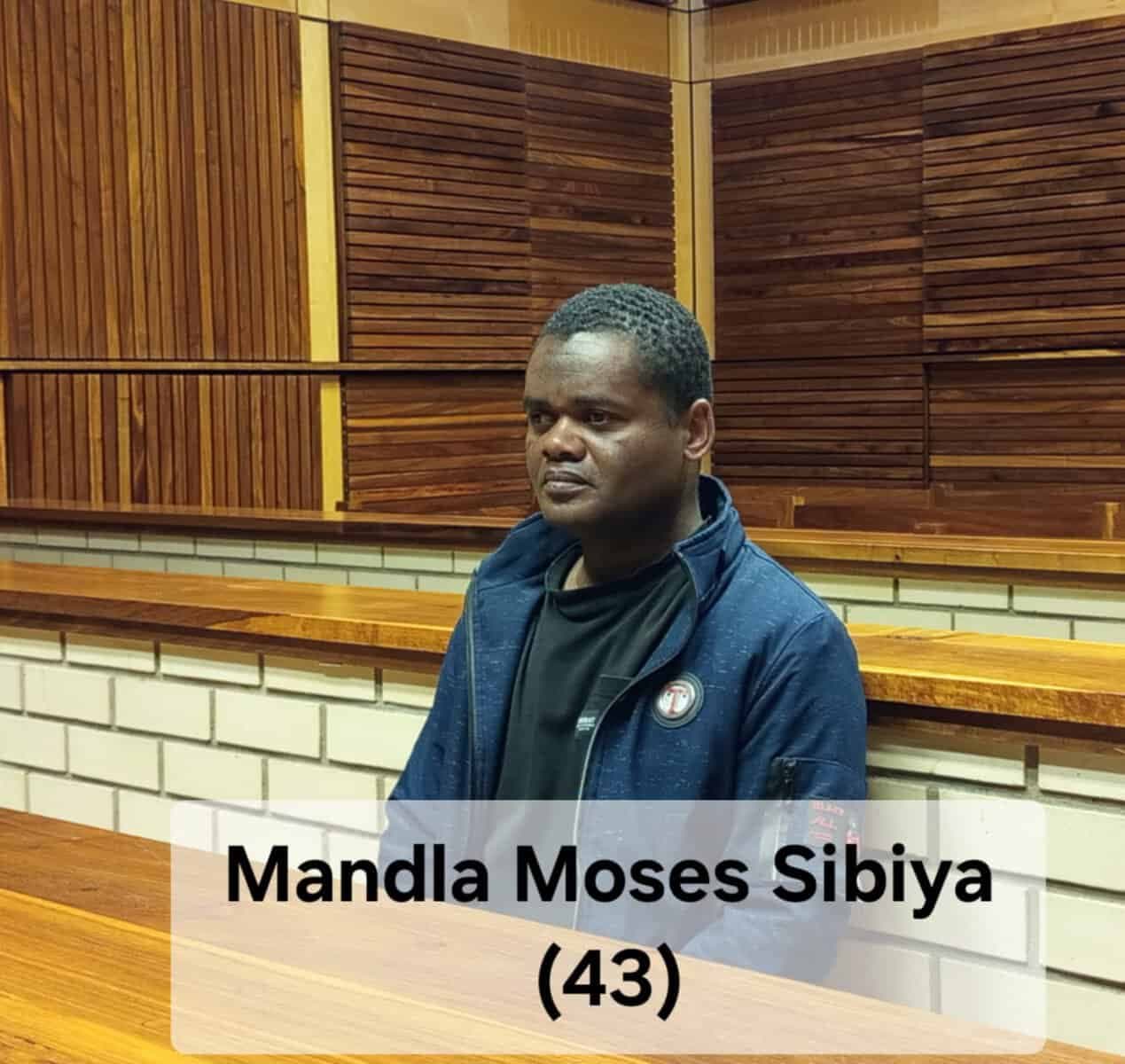
A Mpumalanga man has been sentenced to two life terms for the murder of his wife and teenage daughter. The sentencing, reported on 21 August 2026, represents a significant judicial decision in South Africa's ongoing struggle against domestic abuse and family violence. The double life sentence underscores the severity with which local courts are treating violent crimes committed against women and children in domestic settings.
According to available reports, the court imposed the maximum penalty of life imprisonment for each of the two counts of murder. The victims in this tragic incident have been identified as the perpetrator's wife and his teenage daughter. By handing down two consecutive or concurrent life terms, the judiciary has ensured that the offender will face a prolonged period of incarceration, reflecting the gravity of his actions.
While the outcome of the trial has been confirmed, many specific details surrounding the case remain undisclosed. At this stage, the names of the convicted man, his deceased wife, and their teenage daughter have not been made public. It remains unclear whether this omission is due to legal protections for surviving family members or outstanding administrative procedures. Additionally, the exact town or region in Mpumalanga where the tragedy occurred has not been specified in the initial reports.
Beyond the identities of those involved, several questions about the circumstances of the crime persist. The motive behind the double murder, the presence of any prior domestic violence complaints registered with the South African Police Service (SAPS), and the specific date of the incident remain unconfirmed. Furthermore, details regarding the court division that presided over the trial, the evidence presented by the state, and the arguments raised by the defense have not yet been detailed.
This case is situated within a broader national crisis concerning gender-based violence and femicide (GBVF) in South Africa. For years, civil society organisations, community leaders, and government officials have called for more stringent penalties for perpetrators of domestic violence. The imposition of two life terms in this Mpumalanga case aligns with the South African judiciary's increasingly firm stance against violent crimes targeting women and children.
In South African criminal law, a life sentence is the most severe punishment available following the abolition of capital punishment. Under current sentencing guidelines, an offender sentenced to life imprisonment must serve a minimum of 25 years before becoming eligible to be considered for parole. When multiple life sentences are handed down, the path to parole becomes significantly more complex, ensuring that high-risk offenders remain removed from society for a substantial duration.
The tragedy has once again spotlighted the urgent need for robust support structures for victims of domestic abuse across Mpumalanga and the wider country. While court sentences provide accountability after a crime has occurred, advocacy groups continuously stress the importance of early intervention, accessible shelters, and responsive policing to prevent such domestic escalations from turning fatal.
Looking ahead, observers will be watching to see if the convicted man files an appeal against either his conviction or the double life sentence. The public also awaits official statements from the National Prosecuting Authority (NPA) or local police representatives, which may shed more light on the investigation and the specific evidence that led to this decisive legal outcome.
Reporting record
How this story was produced
This article was AI-generated from the frozen trend evidence and passed deterministic quality and safety gates. No cross-provider evidence review or independent human verification is claimed for this record.
- Byline
- Newstrends AI Newsroom
- First published
- Last material update
- No later material update recorded
- Distinct source identifiers
- 1 retained source identifier
Frozen source links for this publication
Chronology
Story timeline
A generated chronology for orientation; dates and details may require source verification.
Update
Sentencing of the Mpumalanga man to two life terms is reported publicly.
Reader file
Frequently asked questions
01What sentence did the Mpumalanga man receive?
The man was sentenced to two life terms for the murder of his wife and his teenage daughter.
02When was this case reported?
The sentencing was reported on 21 August 2026.
03Are the names of the victims or the perpetrator known?
The specific identities of the perpetrator and the victims have not been detailed in the initial reports.
Keep reading
Related coverage
More published reporting connected to this story.

KZN Teen Sentenced to Life Imprisonment for Raping Disabled Woman
A teenager has been handed a life sentence in KwaZulu-Natal for the rape of a disabled woman. The ruling highlights the judiciary's strict stance on sexual violence against vulnerable citizens, though key case details remain protected.

Murder Investigation Launched After Teenagers Found Dead at Mpumalanga Lodge
Police in Mpumalanga have opened a murder docket after the bodies of teenagers were discovered at a local lodge. The tragic incident has left families mourning 'an immeasurable void' as authorities search for answers.
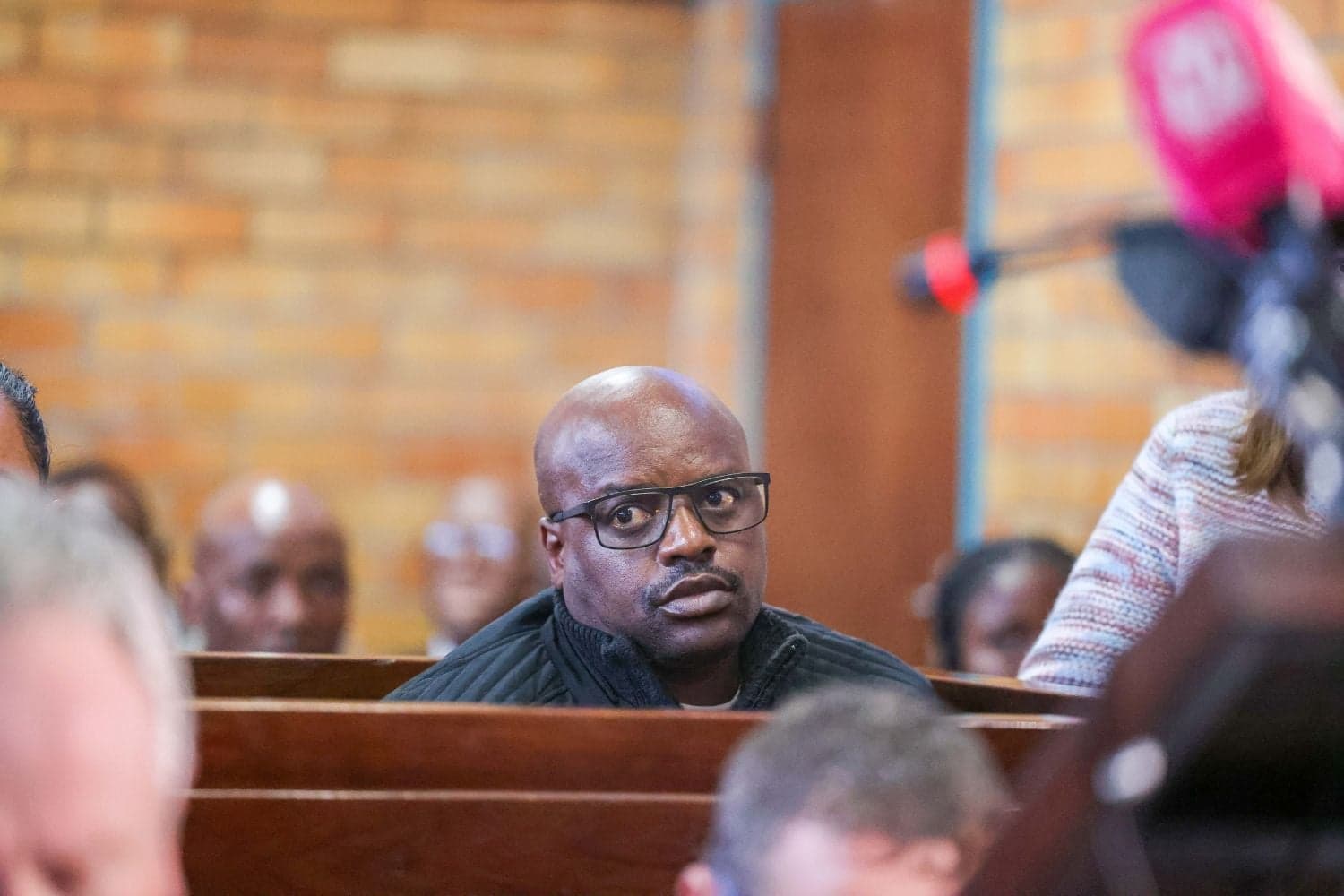
Julius Mkhwanazi Calls for Lesser Charge as Emmanuel Mbense Murder Case is Postponed
The murder case against Julius Mkhwanazi, accused of killing Emmanuel Mbense, has been postponed. Mkhwanazi is arguing that he should face a lesser charge instead of murder as the legal process unfolds.
St Stithians 'Murder-Suicide' Reports Draw Strong Reaction From South African GBV Organisation
Reports of an alleged murder-suicide linked to St Stithians have prompted a gender-based violence organisation to highlight the roles of toxic masculinity and violence. While official details remain limited, the incident has renewed national conversations about systemic domestic abuse.
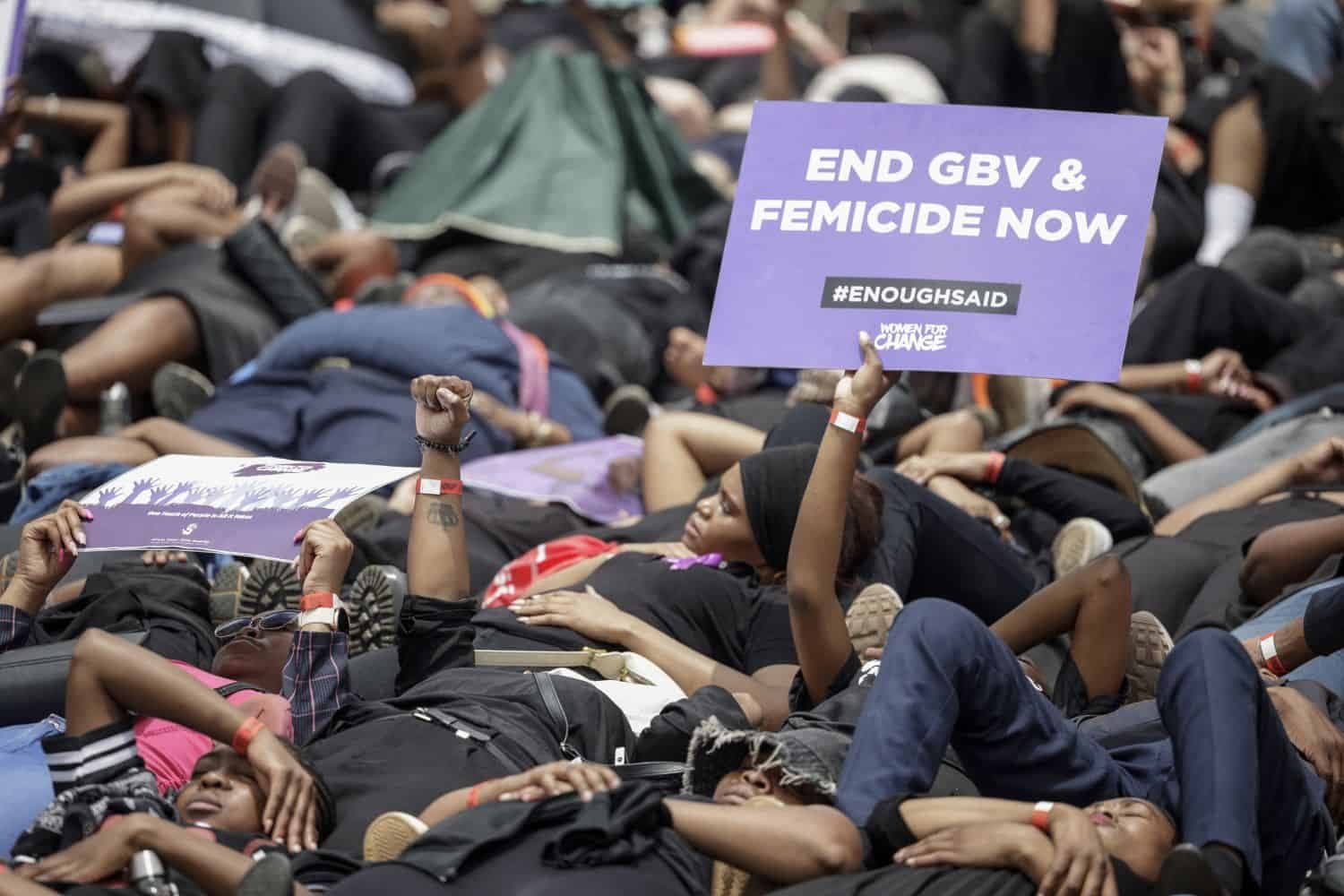
Cosatu Slams New GBVF Council Line-Up as Another 'Bums-on-Seats' Body
The Congress of South African Trade Unions (Cosatu) has strongly criticized the newly announced Gender-Based Violence and Femicide (GBVF) council line-up. The federation dismissed the structure as a 'bums-on-seats' body, raising concerns over the country's institutional fight against gender-based violence.