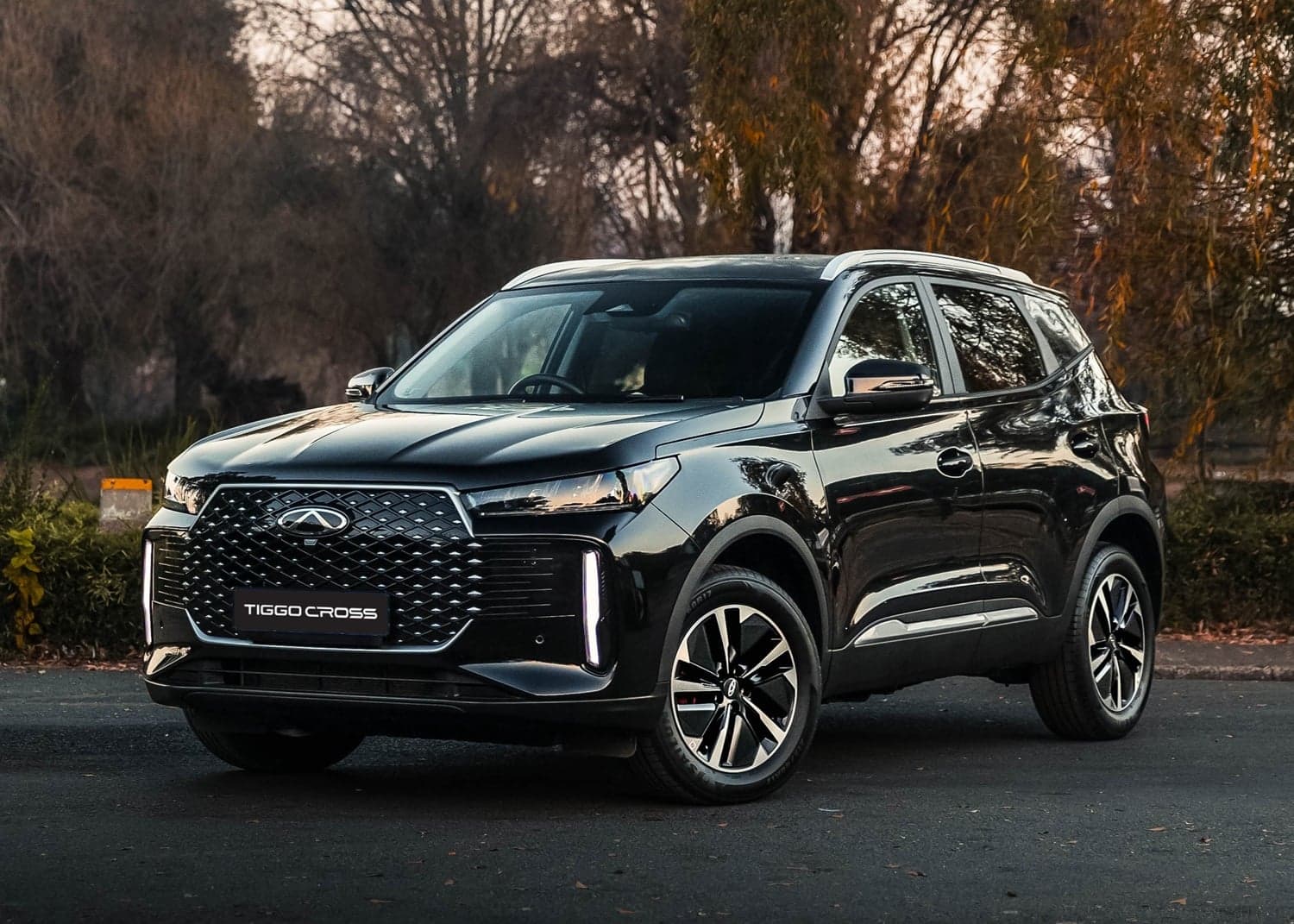
In July 2026, South Africa's new vehicle market demonstrated encouraging signs of resilience as overall sales continued their upward trajectory. According to preliminary market insights, local consumers are continuing to return to dealerships, providing a much-needed boost to the domestic automotive sector. Amidst this broader market recovery, Chinese automotive manufacturer Chery has emerged as a primary highlight, with its local performance described as "blossoming" in an increasingly competitive environment.
The positive sales momentum in July 2026 underscores a shifting dynamic within the South African motoring landscape. While the precise sales volumes, percentage growth, and model-by-model breakdowns have not been fully detailed in the initial reports, the upward trend indicates that consumer confidence is holding steady. This resilience comes despite ongoing macroeconomic headwinds, including high living costs and borrowing rates, which have historically constrained big-ticket consumer purchases like new vehicles.
Chery’s standout performance in July 2026 is a testament to the rapid evolution of brand preferences among South African motorists. Over the past few years, Chery has aggressively expanded its local footprint by offering feature-rich sport utility vehicles (SUVs) at highly competitive price points. This strategy has resonated strongly with local buyers who are seeking maximum value for money without compromising on modern technology, safety features, or comprehensive vehicle warranties.
The rise of Chinese original equipment manufacturers (OEMs) like Chery represents a broader structural shift in the South African automotive market. Historically dominated by established European, Japanese, and American brands, the local sector has had to make room for newer entrants that are rapidly capturing market share. Chery's strong showing in July indicates that South African consumers are increasingly comfortable moving away from traditional legacy brands in favor of newer, high-value alternatives.
However, several granular details regarding the July 2026 performance remain unclear in the preliminary data. Industry observers are still waiting for the complete breakdown to see which specific vehicle segments—such as passenger cars, light commercial vehicles (bakkies), or medium and heavy commercials—drove the bulk of the month's growth. Additionally, the exact market share rankings and the specific Chery models that contributed most to the brand's success are yet to be officially confirmed.
The broader economic implications of a rising vehicle market are significant for South Africa. The automotive industry is a vital contributor to the national gross domestic product (GDP), supporting thousands of jobs across local manufacturing plants, component suppliers, and dealership networks. A sustained rise in monthly vehicle sales is often viewed by economists as a leading indicator of broader economic recovery, suggesting that household balance sheets may be starting to stabilize.
As the industry moves into the second half of 2026, stakeholders will be closely monitoring whether this positive sales momentum can be sustained. The upcoming official releases from the National Association of Automobile Manufacturers of South Africa (Naamsa) will provide the necessary data to verify these trends. For now, the July performance offers a promising outlook for the sector, with Chery firmly positioned as a key player to watch in the local motoring space.