‘The Art of the Possible’: Paramount Affirms South Africa has Enough Home-Grown Defence Talent
Defence and aerospace firm Paramount has expressed strong confidence in South Africa's domestic technical capabilities. Highlighting 'the art of the possible,' the company asserts that the nation possesses sufficient home-grown engineering talent to drive high-tech defence innovation.
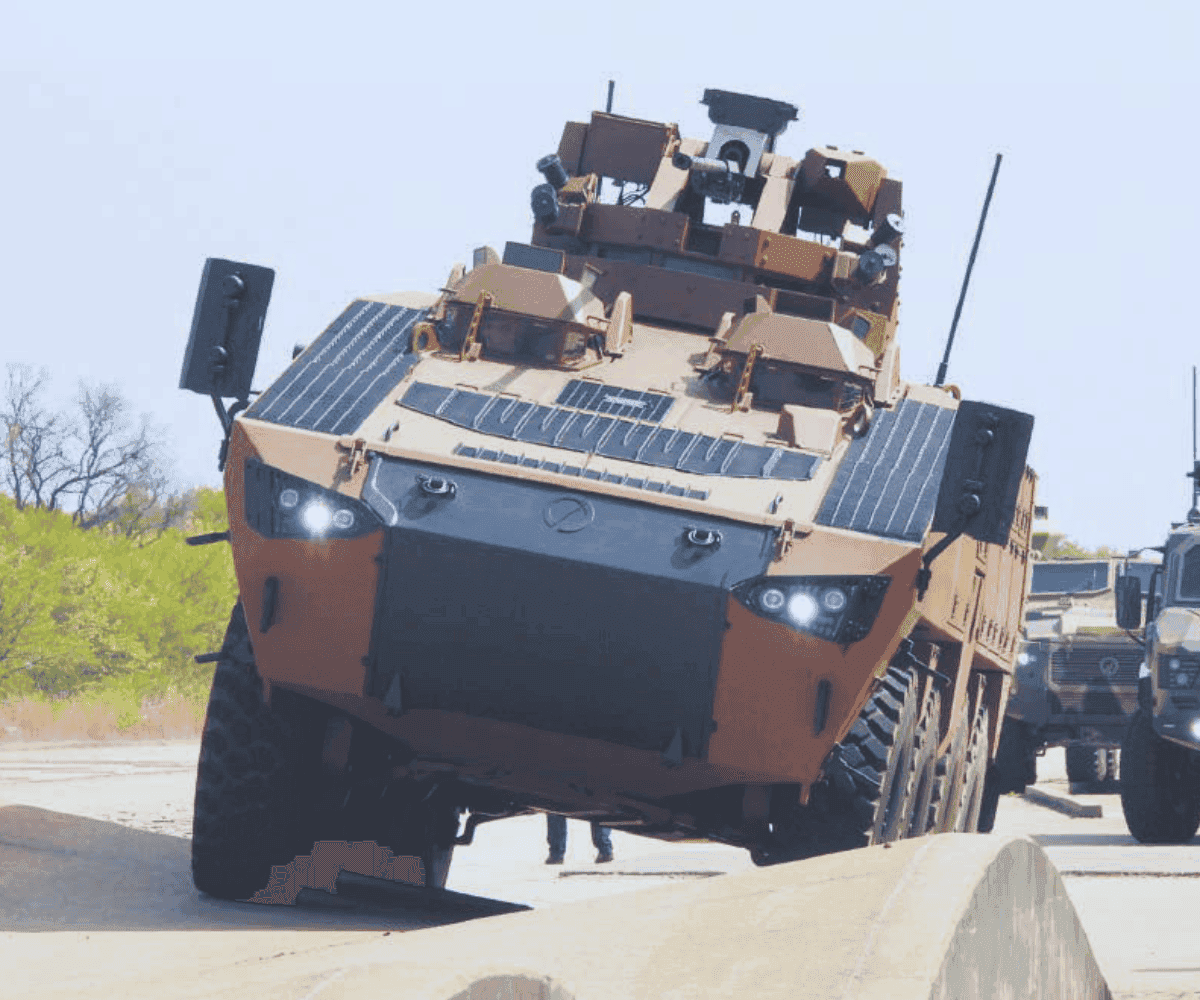
Aerospace and defence company Paramount has championed South Africa's domestic capabilities, asserting that the country possesses sufficient home-grown talent to drive innovation in the defence sector. Describing the local potential as 'the art of the possible,' the company's perspective highlights a vote of confidence in South African engineering and technical expertise. This development, emerging in late August 2026, comes at a critical time for the nation's industrial and technology sectors.
While specific details of the briefing or statement remain sparse, the announcement is closely linked to Paramount's ongoing development of advanced military hardware. Notably, metadata associated with the announcement references the Mbombe 8, an eight-wheel-drive infantry combat vehicle designed by the company. The vehicle serves as a tangible example of what South African designers, engineers, and technicians can achieve when local resources and intellectual property are leveraged effectively.
Paramount’s emphasis on local talent addresses a long-standing debate within the South African economy regarding high-tech skills and industrial capacity. For years, the local defence and aerospace sectors have faced challenges related to funding constraints, restructuring, and the emigration of highly skilled professionals. By publicly asserting that the country has the necessary talent pool, Paramount is positioning South Africa not just as a consumer of global defence technologies, but as an active creator and exporter of sophisticated systems.
This optimistic outlook stands in contrast to persistent concerns over a 'brain drain' in South Africa's science, technology, engineering, and mathematics (STEM) fields. Many industry commentators have frequently warned that the loss of experienced engineers threatens the sustainability of the country's manufacturing base. Paramount's stance suggests a counter-narrative: that the foundational capabilities and academic institutions in South Africa continue to produce world-class specialists capable of sustaining advanced defence projects.
However, because the initial reports do not disclose specific employment figures, new recruitment drives, or direct quotes from Paramount’s leadership, several questions remain unanswered. It is currently unclear whether this declaration of confidence will be accompanied by new investment in local training facilities, partnerships with South African universities, or expansion plans for their domestic manufacturing facilities. Industry analysts will be looking for concrete commitments to back up the rhetoric of 'the art of the possible.'
The broader implications for the South African economy are notable. A thriving defence sector has historically acted as an incubator for broader industrial innovation, spinning off technologies into commercial aviation, electronics, and heavy manufacturing. If Paramount and other local defence firms can successfully retain and utilise home-grown talent, it could provide a much-needed boost to high-value job creation and export revenues, which are vital for the country's economic recovery.
Moving forward, observers of the South African defence landscape will be watching how state entities like Denel and private enterprises like Paramount navigate the balance between domestic development and international partnerships. The upcoming weeks may reveal whether Paramount’s optimistic assessment translates into new contracts, technological breakthroughs, or collaborative initiatives aimed at keeping South African engineers at home. For now, the statement serves as a reminder of the latent potential residing within the country’s borders.
Reporting record
How this story was produced
This article was AI-generated from the frozen trend evidence and passed deterministic quality and safety gates. No cross-provider evidence review or independent human verification is claimed for this record.
- Byline
- Newstrends AI Newsroom
- First published
- Last material update
- No later material update recorded
- Distinct source identifiers
- 1 retained source identifier
Frozen source links for this publication
Chronology
Story timeline
A generated chronology for orientation; dates and details may require source verification.
Update
Paramount's assertion of South Africa's abundant home-grown defence talent is reported, highlighting the 'art of the possible' in local engineering.
Reader file
Frequently asked questions
01What did Paramount say about South Africa's defence talent?
Paramount stated that South Africa has sufficient home-grown talent and expertise to drive innovation in the defence sector, describing the local potential as 'the art of the possible.'
02What specific project is associated with this announcement?
While full details of the announcement are limited, early reports link the discussion of local talent to Paramount's advanced military hardware, specifically referencing their Mbombe 8 platform.
03What challenges does the South African defence sector currently face?
The local sector has historically grappled with funding constraints, industrial restructuring, and the emigration of highly skilled engineering and technical professionals.
Keep reading
Related coverage
More published reporting connected to this story.

TechCentral Declares the Arrival of the AI-Led Industrial Revolution in South Africa
South African technology publication TechCentral has declared that the AI-led industrial revolution has officially begun. This landmark assertion highlights the shifting focus from theoretical AI adoption to active industrial integration within the local economy.
State-of-the-Art South African Public School Left Empty Eight Months After Opening
A newly constructed, state-of-the-art public school in South Africa has reportedly been standing completely vacant for eight months following its official opening. The situation has raised serious questions about public infrastructure management and administrative delays in the education sector.
R600m Meth Lab Bust Sparks Fears of Mexican Cartel Infiltration in South Africa
A massive R600 million methamphetamine laboratory bust in South Africa has raised serious concerns over the potential involvement of Mexican drug cartels. The scale of the operation highlights the growing threat of transnational organized crime networks establishing manufacturing hubs within the country.
South Africa and Brazil Cement Bilateral Ties as Lamola Labels Democracy ‘a Work in Progress’
South Africa and Brazil have strengthened their bilateral partnership during recent diplomatic engagements. South African representative Lamola emphasized that democracy remains 'a work in progress' for both nations as they seek closer strategic cooperation.

Over 6 500 South Africans currently waiting for life-saving organ transplants
New data highlights a severe healthcare challenge in South Africa, with approximately 6 500 people currently on transplant waiting lists. The statistic underscores a critical shortage of donor organs and the urgent need for public awareness.