South Africa's solar revolution could light the way to solving its deepening water crisis
A new opinion piece argues that the incentive-driven model behind South Africa's solar energy uptake could be replicated to tackle the country's worsening water crisis. The proposal draws direct parallels between the two sectors, suggesting that targeted financial incentives could unlock private investment in water infrastructure. The idea is gaining traction as municipalities across the country continue to struggle with ageing pipes, drought, and service delivery failures.

South Africa's solar energy boom has become one of the more remarkable turnarounds in the country's recent economic history. Faced with years of crippling load shedding, households and businesses did not wait for government to fix the problem — they invested in rooftop solar panels, battery storage, and small-scale generation at a pace that few analysts had predicted. That private-sector surge was fuelled in large part by tax incentives and favourable policy conditions introduced to encourage uptake. Now, according to a new opinion piece published in The Citizen on 14 October 2026, there is a compelling argument that the same approach could — and should — be applied to South Africa's equally serious water crisis.
The article, which appears under the opinion section of The Citizen, draws a direct conceptual line between what incentives achieved in the energy sector and what they could achieve in water. The core argument is straightforward: when the state created the right financial conditions for solar adoption, the private sector responded decisively. Water infrastructure, the piece suggests, could benefit from a similar policy framework.
South Africa's water challenges are well documented, even if the precise details of the opinion's supporting data are not available from the trend signal alone. The country faces a combination of ageing municipal infrastructure, growing urban populations, climate-related drought, and chronic underfunding of water services. Many municipalities have struggled for years to maintain adequate water pressure, prevent losses through leaking pipes, and ensure consistent supply to residents. Water shedding — the scheduled interruption of water supply — has become a familiar term in several provinces, echoing the load shedding vocabulary that defined the electricity crisis.
The solar parallel is instructive because it demonstrates what is possible when incentives align private interests with public need. The national government's introduction of tax rebates for households and businesses that installed solar panels helped tip the financial calculus in favour of investment. Over a relatively short period, this contributed to a measurable reduction in pressure on the national grid. If a similar incentive architecture were designed for water — covering rainwater harvesting, greywater recycling, private borehole development, or investment in localised water treatment — it is plausible, the argument goes, that comparable gains could follow.
What remains unclear from the available information is the specific policy mechanisms being proposed, who would be the primary target of such incentives — households, businesses, or municipalities — and what the estimated cost to the fiscus might be. It is also not yet known whether any formal proposals of this kind have been tabled in Parliament or considered by the Department of Water and Sanitation. These are significant gaps that would need to be addressed before any such framework could move from opinion to policy.
The significance of this conversation extends beyond the technical. South Africa is entering a period in which both energy and water security are increasingly understood as interlinked. Water is required to generate electricity; electricity is needed to pump and treat water. Disruptions in one system can cascade into the other. A policy approach that treats water investment with the same urgency and creativity that was eventually applied to solar energy would therefore address not just one crisis, but contribute to broader infrastructure resilience.
For ordinary South Africans, the practical implications are potentially significant. If incentives were structured to encourage household-level water independence — in the way solar incentives encouraged energy independence — the burden on failing municipal systems could be reduced. Businesses and property developers, similarly incentivised, might integrate water efficiency measures into new builds and existing facilities more aggressively than current regulations require.
What readers and policymakers should watch in the coming months is whether this opinion-level conversation translates into formal policy debate. The solar precedent shows that incentive-based approaches can work in the South African context, but they require political will, treasury buy-in, and careful design to avoid being captured by wealthier segments of the population at the expense of those who cannot afford private infrastructure solutions. Equity must be central to any water incentive framework, or it risks deepening the very disparities it seeks to address.
The conversation has started. Whether it gains the momentum needed to produce real policy change remains to be seen.
Reporting record
How this story was produced
This article was AI-generated from the frozen trend evidence and passed deterministic quality and safety gates. No cross-provider evidence review or independent human verification is claimed for this record.
- Byline
- Newstrends AI Newsroom
- First published
- Last material update
- No later material update recorded
- Distinct source identifiers
- 1 retained source identifier
Frozen source links for this publication
Chronology
Story timeline
A generated chronology for orientation; dates and details may require source verification.
Update
The Citizen publishes an opinion piece arguing that South Africa's solar incentive model could be applied to address the country's water crisis.
Update
South Africa experiences prolonged load shedding, prompting government to introduce tax incentives for solar adoption, triggering widespread private-sector investment in rooftop solar and battery storage.
Update
South African municipalities continue to grapple with ageing water infrastructure, drought conditions, and water supply interruptions, raising urgency around alternative funding and policy solutions.
Reader file
Frequently asked questions
01What is the argument linking solar energy success to South Africa's water crisis?
An opinion piece in The Citizen argues that the financial incentives which drove South Africa's rapid solar energy adoption could be replicated as a policy model to encourage private investment in water infrastructure and conservation.
02How did incentives help South Africa's solar energy sector?
Government-introduced tax rebates and favourable policy conditions encouraged households and businesses to invest in rooftop solar and battery storage, reducing pressure on the national electricity grid during years of severe load shedding.
03What types of water solutions could incentives support?
Possible applications could include rainwater harvesting, greywater recycling, private borehole development, and localised water treatment, though specific mechanisms have not been detailed in the available information.
04Are there any formal water incentive proposals currently before government?
Based on the available trend data, it is not yet known whether any formal proposals have been tabled in Parliament or considered by the Department of Water and Sanitation. The idea currently exists at the opinion and public debate level.
05Why is equity an important concern in any water incentive framework?
Incentive schemes that require upfront private investment risk benefiting wealthier households and businesses while leaving lower-income communities — who most depend on municipal supply — without relief, potentially deepening existing inequalities.
Keep reading
Related coverage
More published reporting connected to this story.
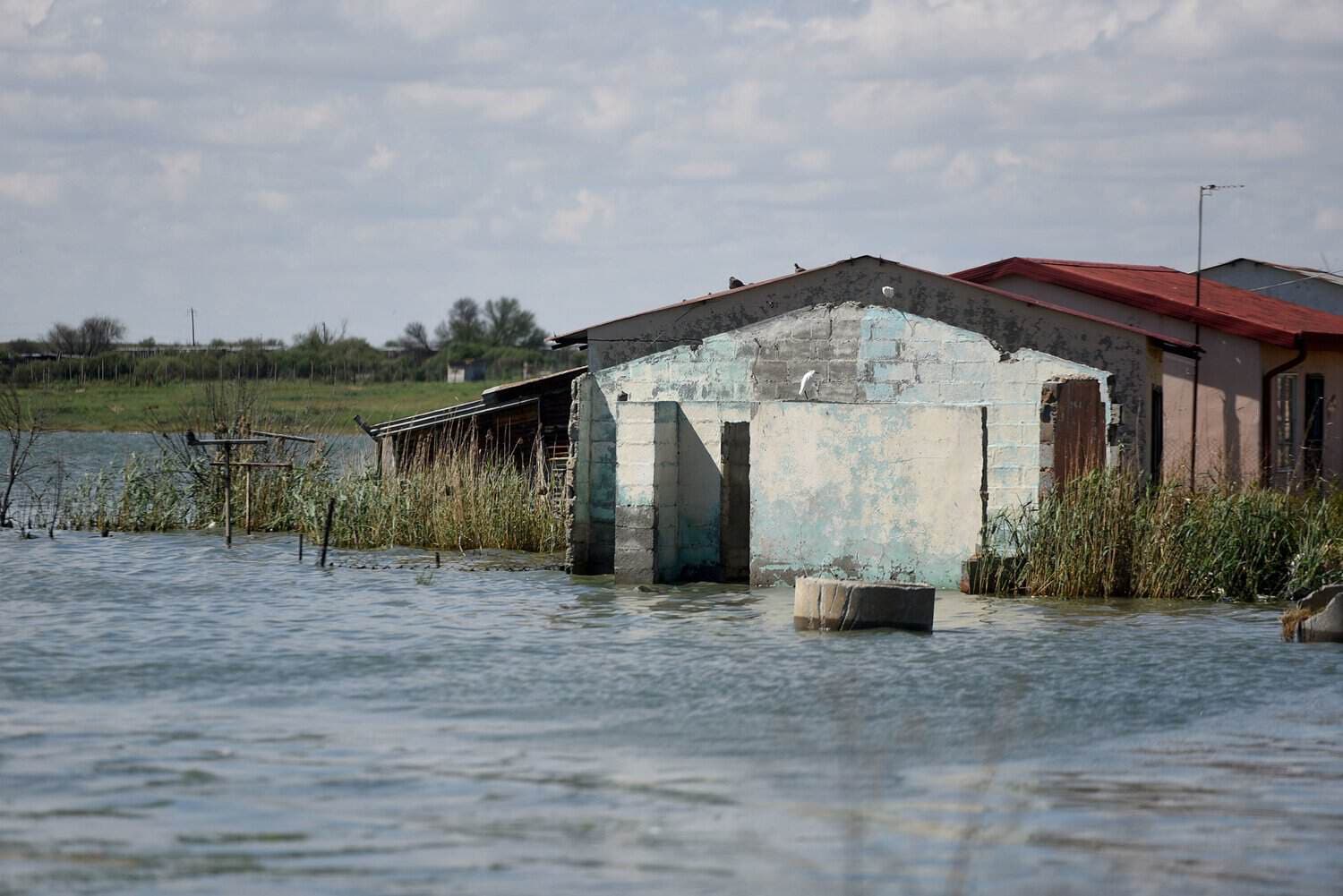
Water Infrastructure Crisis: Nyakallong 'House Rot' Highlights Deepening Municipal Challenges
A recent media report highlighting the 'water-poisoned chalice of rot' has exposed severe housing decay in Nyakallong. The situation underscores the devastating impact of failing municipal water infrastructure on local residents.
Leaking Pipes and Broken Pumps: How Infrastructure Failures and Tankers Define South Africa's Water Crisis
South Africa's escalating water crisis is increasingly characterized by failing municipal infrastructure, including leaking pipes and broken pumps. As municipalities struggle to maintain water supply, the growing reliance on costly water tankers has become a controversial and permanent fixture for many communities.

Solar Energy Surges Back Into South African Spotlight as Interest Climbs
South Africans are searching for solar energy solutions in growing numbers, according to the latest Google Trends data captured in October 2026. The uptick in online interest signals that solar power remains a pressing concern for households and businesses navigating the country's ongoing energy landscape. What is driving this renewed curiosity, and what does it mean for South Africans considering the switch to solar?
Water and Sanitation Framework Consultations Continue in Durban to Shape Future Policy
Crucial public and stakeholder consultations regarding South Africa's water and sanitation framework continued in Durban on 22 September 2026. The sessions aim to refine the strategic guidelines governing water resource management and service delivery. While key policy details remain under discussion, the outcomes are expected to significantly impact local infrastructure development.
Kempton Park Residents Demand Answers: Why Did It Take a Death for Ekurhuleni to Fix Our Streets?
Residents in Kempton Park are questioning the City of Ekurhuleni's reactive approach to service delivery following the death of a community member known as Tsontso. The tragedy has sparked widespread anger as long-overdue street repairs were suddenly initiated immediately after the incident.