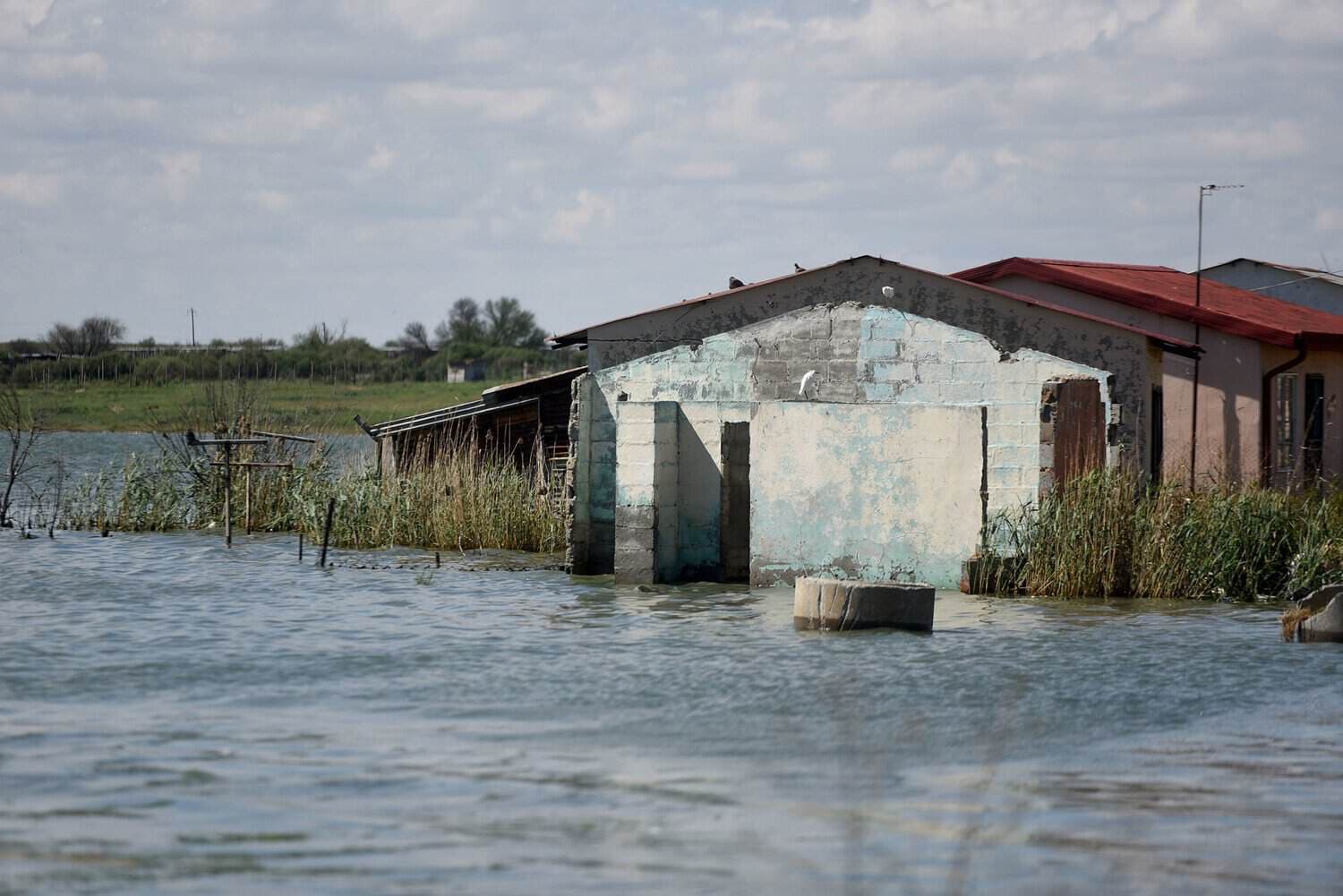
On 21 September 2026, South African media outlet The Citizen published a critical report detailing severe infrastructure concerns under the title "Water-poisoned chalice of rot." The publication, which featured visual evidence of structural decay in the Nyakallong area, has renewed public focus on the deteriorating state of local water management and its direct impact on residential properties. For many South Africans, the report serves as a grim reminder of how essential services can transform into destructive forces when municipal systems are left to decay.
While the specific editorial details of the piece remain focused on the broader theme of systemic failure, the accompanying documentation highlights "Nyakallong house rot" as a primary point of concern. Nyakallong, a township area that has historically navigated various socio-economic and municipal challenges, appears to be facing a severe crisis where water-related issues are directly compromising the structural integrity of local homes. This physical deterioration of housing assets represents a compounding crisis for residents who are already dealing with service delivery backlogs.
The phrase "poisoned chalice of rot" captures the bitter irony facing many local communities. Water, which is universally recognized as a fundamental human right and an essential driver of life and dignity, has instead become a source of damage and decay due to poor infrastructure maintenance. When water systems leak, overflow, or fail to drain correctly, the resulting dampness quickly invades residential structures. This leads to what is described as "house rot"—a condition that ruins foundations, compromises walls, and fosters hazardous living conditions.
This situation does not exist in a vacuum but reflects a wider national pattern of municipal infrastructure challenges across South Africa. Across various provinces, local governments have struggled to maintain aging water pipes, manage wastewater treatment plants, and respond swiftly to reported leaks. When municipal oversight fails, the financial and physical burden is inevitably shifted onto ordinary citizens, who must live in decaying structures while waiting for local authorities to address the root causes of the leaks.
The practical implications of water-induced structural rot are devastating for affected households. Beyond the obvious aesthetic damage, continuous exposure to dampness and mould poses severe health risks, particularly to children, the elderly, and those with pre-existing respiratory conditions. Furthermore, the financial cost of repairing water-damaged foundations and walls is far beyond the reach of many residents in under-resourced communities, effectively trapping them in unsafe environments.
Currently, several key details regarding the Nyakallong situation remain unclear. The initial reports do not specify the exact municipal department or officials directly accountable for the infrastructure failures, nor do they outline whether any immediate emergency relief or relocation plans are being structured for the affected families. It also remains to be seen whether the local municipality has allocated specific budget portions to address the water leaks causing the residential decay in this specific region.
Moving forward, South Africans and local government watchdogs will be closely monitoring the response of both provincial authorities and national water departments. Observers are waiting to see if formal investigations will be launched into the Nyakallong housing decay and whether civil society organizations will step in to advocate for the affected residents. The exposure of this "poisoned chalice" serves as a critical test case for local government accountability in the face of escalating infrastructure collapse.