South Africans Urged to Create Heat Safety Plans for Pets Ahead of Hotter Summer
As South Africa prepares for the upcoming summer season, pet owners are being urged to develop dedicated heat safety plans for their animals. The early warning, issued in late August, highlights the importance of proactive measures to protect pets from extreme temperatures. Experts advise establishing cooling strategies before the peak summer heat arrives.
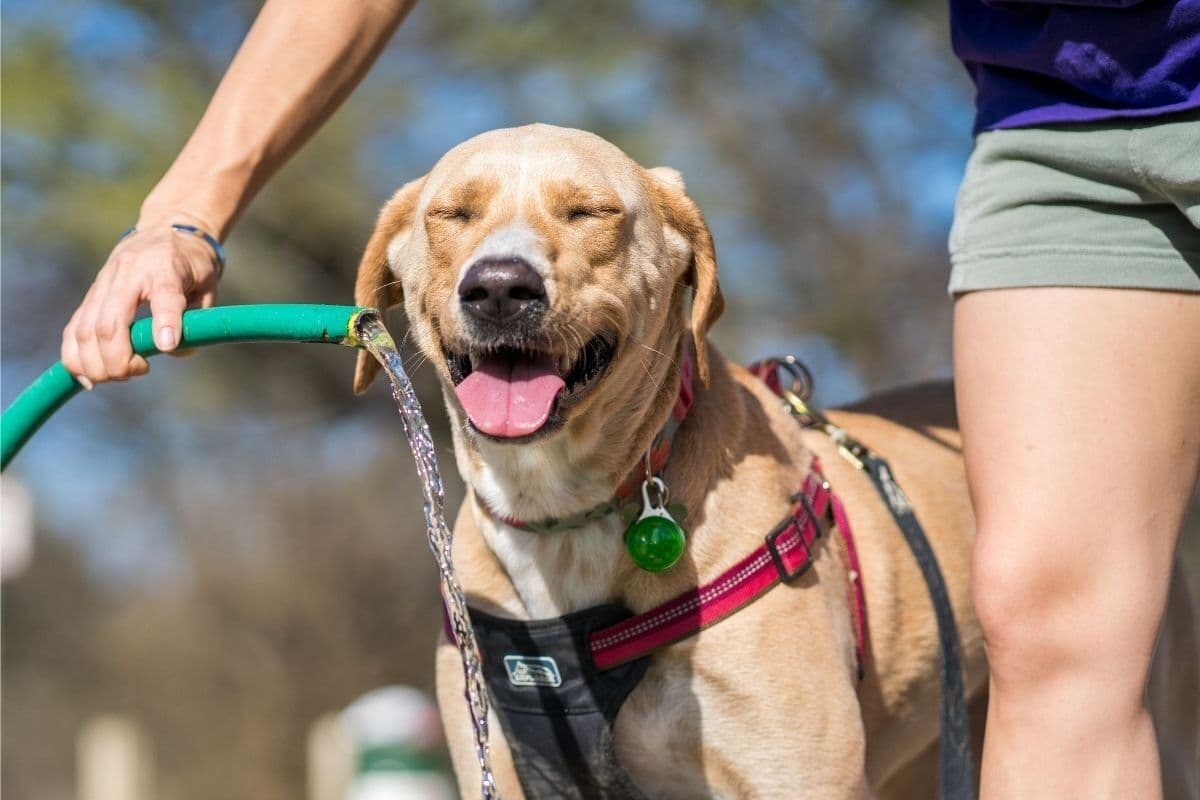
As South Africans prepare for the transition into the warmer months of the year, a timely reminder has emerged for pet owners across the country. With predictions pointing towards a hotter summer ahead, experts are urging households to draft and implement a dedicated safety plan for their domestic animals. The seasonal shift requires proactive measures to ensure that pets remain safe, cool, and healthy during periods of extreme heat.
The alert, highlighted in a report published by South African news outlet The South African on August 28, 2026, underscores a critical gap in seasonal preparation. While many citizens focus on personal comfort, home cooling, and electricity management ahead of the summer peak, the welfare of pets is frequently overlooked until temperatures reach dangerous levels. The early warning serves as a call to action for pet owners to integrate animal care into their broader household summer readiness strategies.
The timing of this advisory is highly significant for the local context. Late August represents the tail end of the South African winter, offering a vital window of opportunity for preventative planning. By establishing cooling strategies and emergency protocols before the first major heatwaves strike, pet owners can prevent heat-related illnesses such as dehydration, heat exhaustion, and heatstroke, which can be fatal for domestic animals.
Although the initial report does not provide detailed meteorological forecasts or specific temperature statistics for the upcoming 2026/2027 summer season, the general consensus points to an urgent need for vigilance. In South Africa, summer temperatures routinely soar to extreme levels, particularly in inland regions, northern provinces, and arid zones. Without a structured plan, pets left outdoors or in poorly ventilated spaces face severe health risks.
A comprehensive pet heat safety plan involves several practical considerations. Foremost among these is ensuring continuous access to clean, cool drinking water. Pet owners must also assess the availability of adequate shade throughout the day as the sun shifts. Additionally, understanding the physical limits of animals during hot weather—such as avoiding walks on hot tar which can burn sensitive paws, and never leaving pets inside stationary vehicles—is fundamental to basic summer care.
It is also important to recognize that different animals have varying levels of heat tolerance. Breeds with thick coats, elderly pets, very young animals, and brachycephalic (flat-faced) breeds are particularly vulnerable to rising temperatures. While the current trend data does not detail specific veterinary guidelines for individual breeds, animal health experts generally advise keeping vulnerable pets indoors in air-conditioned or well-ventilated rooms during the hottest parts of the day.
What remains unclear from the preliminary reports are the exact regional variations and the specific dates when the most intense heatwaves are expected to hit different parts of South Africa. This lack of localized detail means that pet owners must remain adaptable and closely monitor daily weather updates from the South African Weather Service. Having a flexible plan that can be scaled up during extreme weather warnings is the safest approach for household pets.
Ultimately, the message for South African communities is clear: preparing for a hotter summer must be a collective household effort that includes our animal companions. By addressing these needs in late August, well before the peak summer heat arrives, pet owners can ensure a safe and comfortable season for their dogs, cats, and other domestic animals. Taking simple, preventative steps now can make a life-saving difference when the temperatures begin to climb.
Reporting record
How this story was produced
This article was AI-generated from the frozen trend evidence and passed deterministic quality and safety gates. No cross-provider evidence review or independent human verification is claimed for this record.
- Byline
- Newstrends AI Newsroom
- First published
- Last material update
- No later material update recorded
- Distinct source identifiers
- 1 retained source identifier
Frozen source links for this publication
Chronology
Story timeline
A generated chronology for orientation; dates and details may require source verification.
Update
Public advisory highlighted by South African media emphasizing the need for pet summer safety plans.
Reader file
Frequently asked questions
01Why is it important to plan for pet heat safety in August?
Late August marks the end of winter in South Africa, providing a crucial window for pet owners to establish cooling strategies before the peak summer temperatures arrive.
02What should be included in a pet heat safety plan?
A basic plan should include ensuring constant access to cool water, providing adequate shade, avoiding hot pavement during walks, and keeping vulnerable pets indoors.
03Does the current report specify when the heatwaves will start?
No, the current reports do not specify exact dates or regional temperature forecasts, meaning pet owners should monitor local weather updates closely.
Keep reading
Related coverage
More published reporting connected to this story.
Tongaat Businessman Horrified After Finding Suffocated Vervet Monkey in Box
A KwaZulu-Natal businessman has been left deeply disturbed after discovering a dead Vervet monkey that suffocated inside a box in Tongaat. The incident has sparked outrage and raised serious concerns over animal cruelty and human-wildlife conflict.

The Citizen Releases National Weather Outlook for Sunday 23 August 2026
The Citizen has published its daily weather outlook for Sunday, 23 August 2026, helping South Africans plan for the day ahead. As the country navigates the late winter season, staying informed on localized weather changes remains essential.
Activists Demand Action Against Big Cat Ownership in South Africa Following Dramatic Rescue
Following a dramatic rescue reported by the Weekend Argus, animal welfare activists are demanding urgent action against the private ownership of big cats in South Africa. While specific details of the rescue remain unconfirmed, the incident has reignited the national debate over exotic pet regulations.
Durban Community Mourns Loss of Beloved Monkey Rescuer Steve Smit
The Durban community is mourning the passing of Steve Smit, a well-known local monkey rescuer and animal welfare advocate. While specific details surrounding his death remain unconfirmed, his loss leaves a significant void in KwaZulu-Natal's urban wildlife conservation efforts.
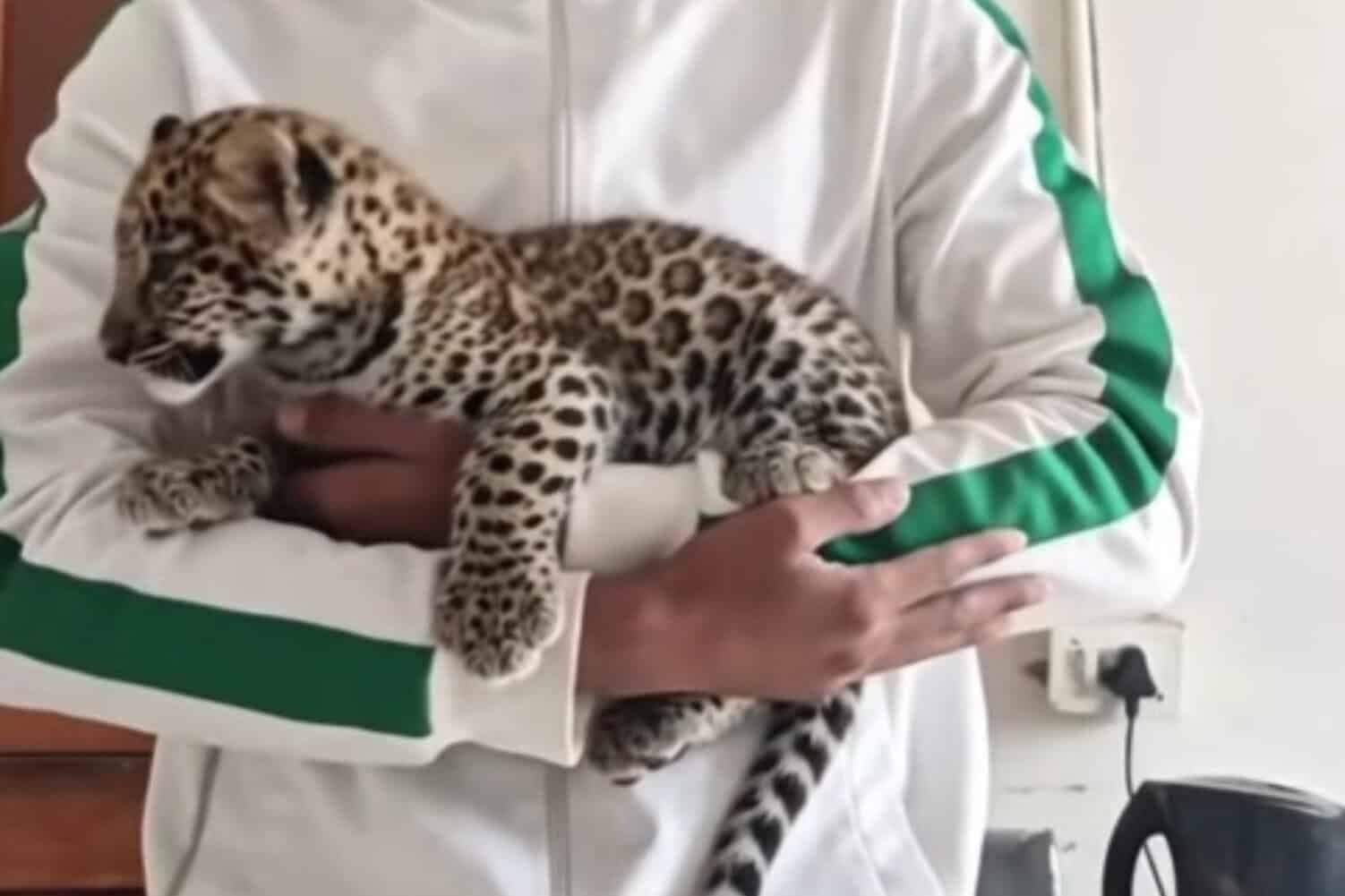
NSPCA verifying authenticity of viral videos showing man raising leopard cub
The National Council of Societies for the Prevention of Cruelty to Animals (NSPCA) is investigating viral footage of a man raising a baby leopard. The organisation is currently verifying the authenticity of the videos to determine if South African wildlife protection laws have been violated.