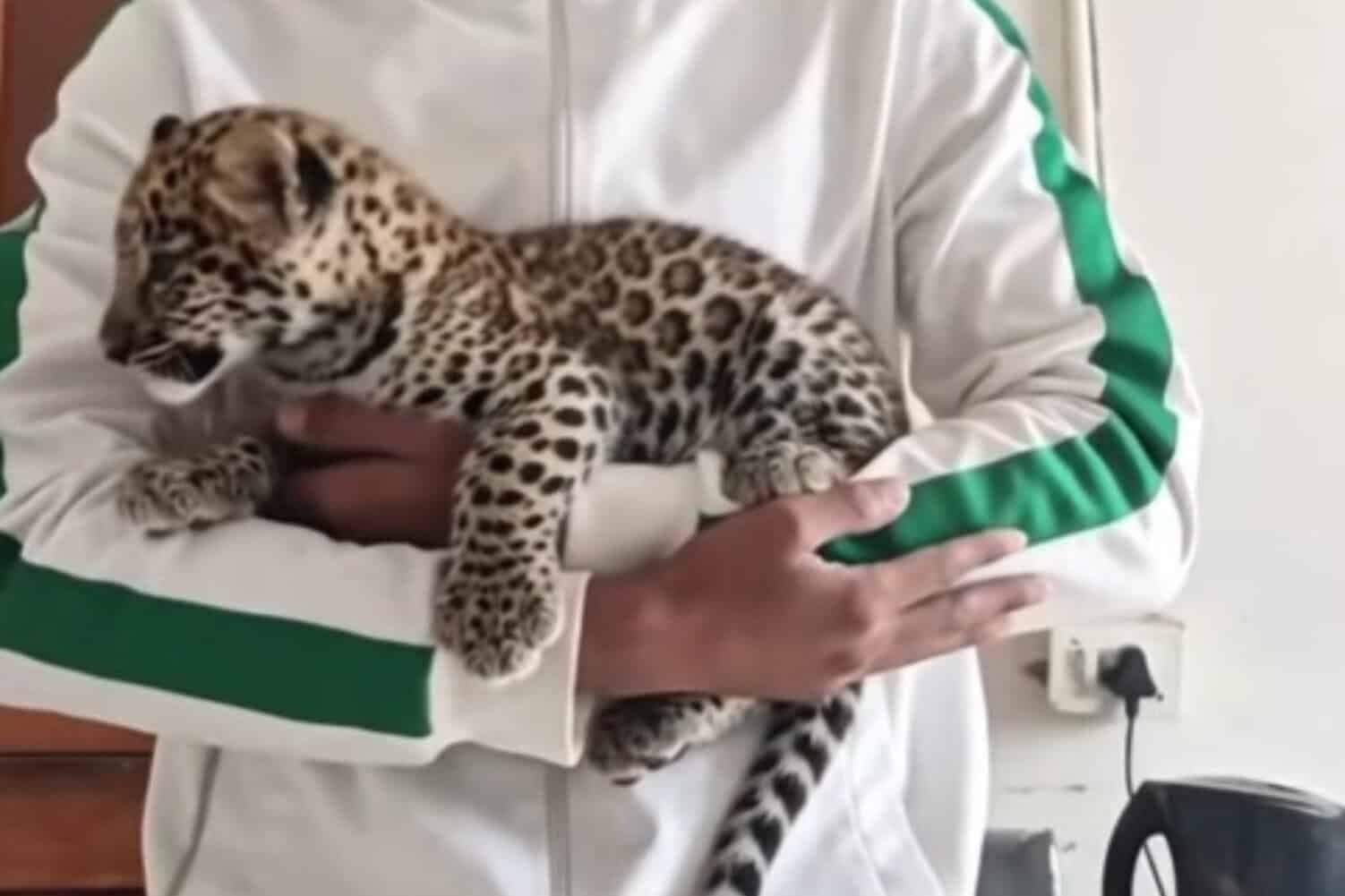
The National Council of Societies for the Prevention of Cruelty to Animals (NSPCA) has launched an investigation to verify the authenticity of videos circulating online which depict a man raising a leopard cub. The footage, which has attracted widespread attention, has prompted South Africa's primary animal welfare organisation to step in to establish the facts surrounding the welfare and legal status of the young predator.
At this stage, the exact origin of the videos and the identity of the individual featured in them remain unconfirmed. The NSPCA is currently tasked with verifying whether the footage is genuine, where it was recorded, and when the events took place. While the videos show a domestic setting where a baby leopard is being raised, key details regarding the location of the animal and the person involved have not yet been publicly released as the official verification process continues.
In South Africa, the NSPCA operates as a statutory body with the authority to enforce the Animals Protection Act No. 71 of 1962. When videos of wild animals in domestic environments surface on social media, the organisation's inspectors must first determine the authenticity of the digital evidence before taking physical action. This process involves analysing the visual data, identifying potential jurisdictions, and working alongside local conservation authorities to trace the individuals involved.
The keeping of indigenous predators, particularly large felids like leopards (Panthera pardus), is strictly regulated under South African law. According to the National Environmental Management: Biodiversity Act (NEMBA) and various provincial conservation ordinances, it is illegal to keep, transport, or breed specially protected species without the necessary permits. These permits are rarely granted to private individuals for domestic pet-keeping purposes, as leopards are classified as vulnerable and require highly specialised care, diet, and enclosure facilities.
Animal welfare experts consistently warn against the practice of raising wild predators in human environments. Leopards are apex predators with complex physical and psychological needs that cannot be met in a home or backyard. Domesticating these animals poses significant safety risks to the handlers and the public, while also compromising the animal's welfare by depriving it of the opportunity to exhibit natural behaviours. Furthermore, habituating a leopard cub to humans often prevents it from ever being successfully reintegrated into the wild.
The rise of viral social media content featuring exotic and wild animals has become a growing concern for conservationists and welfare organisations globally. Such videos can inadvertently popularise the illegal wildlife trade by making the possession of dangerous predators seem appealing or accessible. By investigating these digital trends, the NSPCA aims to curb the exploitation of indigenous wildlife and ensure that South African laws protecting wild species are upheld.
Currently, several critical questions remain unanswered regarding this specific case. It is still unclear whether the leopard cub is still in the possession of the individual shown in the videos, what the physical condition of the animal is, and whether any valid permits exist for its keeping. The NSPCA has not yet confirmed if criminal charges or confiscation procedures will be initiated, as these actions depend entirely on the outcome of the ongoing authenticity verification.
Moving forward, the public and conservation communities will be watching closely to see if the NSPCA can successfully locate the individuals and the leopard cub. South Africans are encouraged to remain vigilant and report any suspected cases of illegal wildlife keeping or animal abuse to the NSPCA or provincial environmental management inspectors. The outcome of this verification process will determine the next legal steps in safeguarding the welfare of the young leopard.