Durban Community Mourns Loss of Beloved Monkey Rescuer Steve Smit
The Durban community is mourning the passing of Steve Smit, a well-known local monkey rescuer and animal welfare advocate. While specific details surrounding his death remain unconfirmed, his loss leaves a significant void in KwaZulu-Natal's urban wildlife conservation efforts.
The Durban community is mourning the loss of Steve Smit, a beloved and well-known local monkey rescuer. According to reports published on 12 August 2026, news of his passing has prompted widespread grief across KwaZulu-Natal, where he was widely recognized for his dedicated efforts to protect and rescue urban wildlife. His work made him a familiar figure to many residents who frequently seek assistance with injured or displaced animals.
At this stage, specific details surrounding the circumstances of Smit's passing, including his age, the cause of death, and formal memorial arrangements, have not been publicly detailed in the initial reports. What remains clear, however, is the deep impact his life's work had on the local community. Durban residents and animal lovers have quickly rallied to express their condolences, reflecting his status as a prominent and highly respected figure in South African animal welfare circles.
Durban, a major coastal city in KwaZulu-Natal, is home to a significant population of vervet monkeys. The constant expansion of human suburbs into natural habitats frequently leads to complex urban-wildlife dynamics, resulting in injuries, conflicts, and emergencies for local wildlife. Rescuers like Smit play a crucial role in these environments, often serving as the first line of defense for injured, orphaned, or trapped monkeys that find themselves in distress within residential areas.
The loss of such a dedicated figure highlights the fragile nature of community-led conservation initiatives in South Africa. Many wildlife rescue operations in the country operate as non-profit entities, relying heavily on the passion, volunteer hours, and personal resources of a few key individuals. Smit's passing leaves a significant void in the local rescue network, raising immediate concerns among residents about how future wildlife emergencies in the Durban metro will be managed.
In South Africa, the relationship between urban communities and local fauna is a subject of ongoing public interest and debate. While some residents view urban monkeys as a nuisance, others advocate strongly for their protection and peaceful coexistence. Rescuers like Smit did not just rescue animals; they also played an educational role, helping to foster a greater understanding of biodiversity and encouraging more compassionate attitudes toward urban wildlife.
Without a centralized, state-funded urban wildlife rescue service, communities in KwaZulu-Natal often depend entirely on independent rescuers and local non-governmental organisations. The passing of a key figure can put immense pressure on remaining volunteers, who must stretch their limited resources to cover larger geographic areas. For Durban residents, this situation underscores the critical need for sustainable community support and structured planning within local animal welfare groups to ensure that vital rescue services do not disappear.
Looking ahead, the community will be watching closely to see how local wildlife organisations and volunteer groups step in to continue the work that Smit championed. Observers and local residents are also waiting for official statements from his family or associated rescue organisations regarding memorial services and the future of his conservation legacy. For now, the Durban community continues to reflect on his years of service and the profound impact he made on local wildlife protection.
Reporting record
How this story was produced
This article was AI-generated from the frozen trend evidence and passed deterministic quality and safety gates. No cross-provider evidence review or independent human verification is claimed for this record.
- Byline
- Newstrends AI Newsroom
- First published
- Last material update
- No later material update recorded
- Distinct source identifiers
- 1 retained source identifier
Frozen source links for this publication
Chronology
Story timeline
A generated chronology for orientation; dates and details may require source verification.
Update
Reports emerge of the passing of beloved Durban monkey rescuer Steve Smit, prompting widespread community mourning.
Reader file
Frequently asked questions
01Who was Steve Smit?
Steve Smit was a beloved and well-known monkey rescuer and animal welfare advocate based in Durban, South Africa, recognized for his dedication to protecting urban wildlife.
02What details are known about his passing?
As of the reports on 12 August 2026, the specific cause of his death, his age, and details regarding his memorial services have not been publicly disclosed.
03How does his passing affect the Durban community?
His passing leaves a significant void in local volunteer-led wildlife rescue operations, raising questions about how future urban animal emergencies in the Durban metro will be managed.
Keep reading
Related coverage
More published reporting connected to this story.
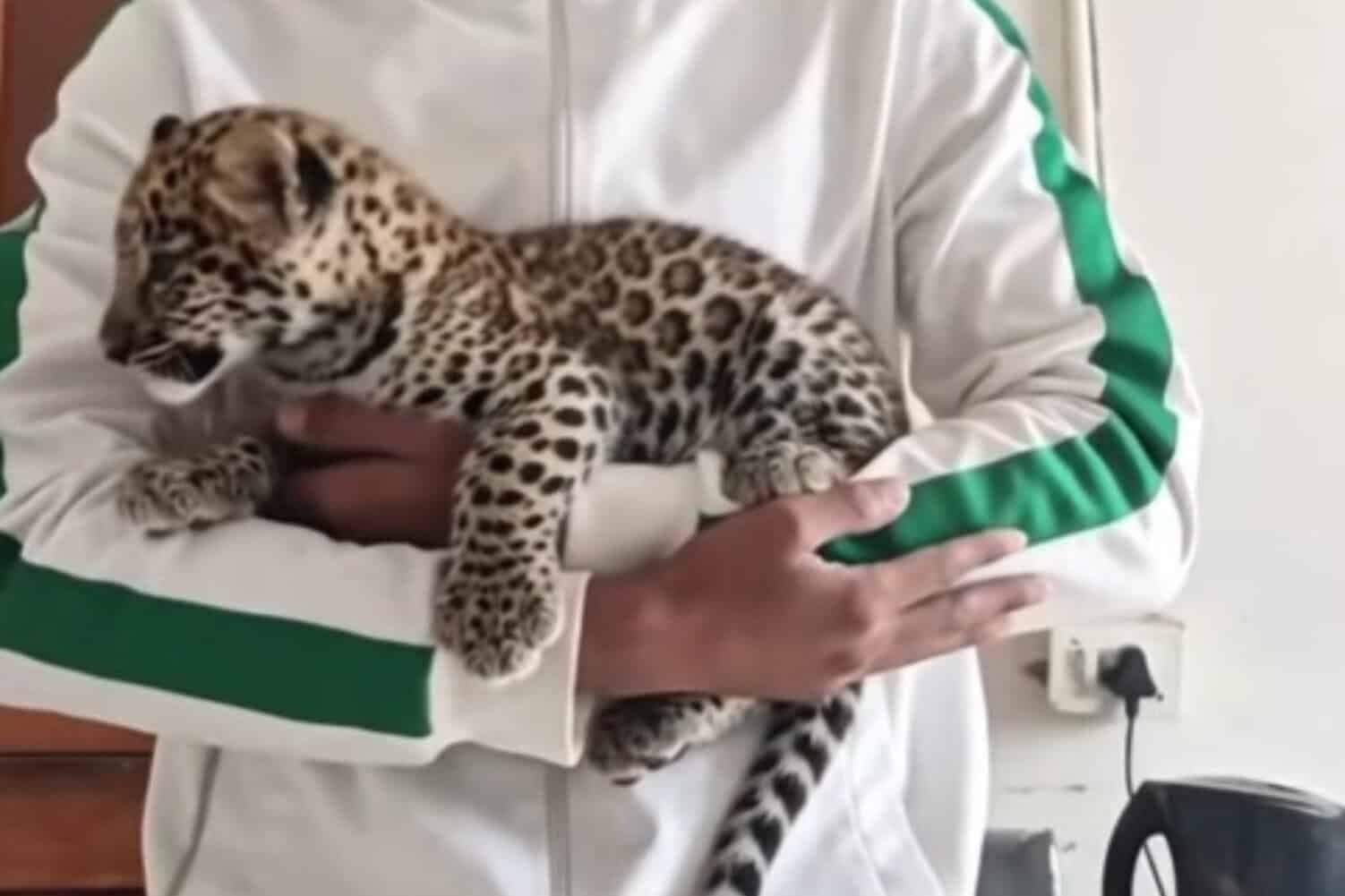
NSPCA verifying authenticity of viral videos showing man raising leopard cub
The National Council of Societies for the Prevention of Cruelty to Animals (NSPCA) is investigating viral footage of a man raising a baby leopard. The organisation is currently verifying the authenticity of the videos to determine if South African wildlife protection laws have been violated.
Mdzananda Animal Clinic Targets Animal Overpopulation in Vital Welfare Mission
The Mdzananda Animal Clinic has highlighted its core mission to combat animal overpopulation in South Africa. While specific operational details of the campaign remain unconfirmed, the initiative addresses a critical welfare and public health challenge.
NATJOINTS Issues Strong Warning Against Attempts to Disrupt SADC Summit in Durban
The National Joint Operational and Intelligence Structure (NATJOINTS) has warned against any attempts to disrupt the upcoming SADC Summit in Durban. Security forces, including Lieutenant-General Tebello Mosikili, have mobilised to ensure the safety of regional leaders and delegates.
VIDEO | Heart-Warming Reunion of Stephen and His Beloved Dog Fireman in Malawi Goes Viral
A touching video of a man named Stephen reuniting with his dog, Fireman, in Malawi has captured the hearts of social media users. Published by IOL, the viral footage highlights the powerful bond between humans and their pets.
Honouring K9 Heroes: The Unsung Canine Protectors of South Africa's Wildlife
A report by the Weekend Argus highlights the vital role of specialized K9 units in protecting South Africa's wildlife. These canine heroes and their handlers face extreme risks to combat poaching and preserve the nation's biodiversity.