Subjective Poverty: Why More South Africans May Be Poorer Than They Think
New discussions around subjective poverty reveal a stark contrast between official economic metrics and the lived financial realities of South Africans. Many citizens who sit above the official poverty line still struggle to make ends meet due to rising costs.

A fresh perspective on South Africa's economic reality has emerged, highlighting a significant gap between official financial metrics and how citizens actually perceive their own wealth. Recent discussions surrounding subjective poverty—the measure of how poor individuals feel they are—suggest that a growing number of South Africans may actually be poorer than they think. This concept challenges traditional economic assessments by focusing on lived experience rather than just hard numbers.
Objective poverty is typically measured using defined income thresholds, such as food poverty lines or upper-bound poverty lines. In contrast, subjective poverty is determined by asking households to evaluate their own financial situations. This approach reveals whether people believe their income is sufficient to cover basic needs like food, housing, healthcare, and education. When these two measures do not align, it reveals a complex picture of economic vulnerability that official statistics might overlook.
In the South African context, this distinction is particularly critical. The country has long grappled with severe wealth inequality and high unemployment rates. While some citizens may technically earn an income that places them above the official poverty line, the actual purchasing power of that income has been severely eroded. Consequently, many individuals who are classified as middle-class or working-class on paper find themselves experiencing the daily stresses of poverty.
There are several reasons why more people may be poorer than they think. A primary factor is the relentless rise in the cost of living, driven by inflation, escalating utility tariffs, and high transport costs. Additionally, many South African households carry heavy debt burdens to maintain a basic standard of living. Another unique local pressure is the financial support extended to broader family networks, often referred to as "black tax," which significantly reduces an individual's disposable income.
While the initial reports from local media outlet The Citizen have brought the issue of subjective poverty to the forefront, several details remain unclear. The specific data sources, the exact sample sizes of the surveys analyzed, and the precise demographic breakdowns of those who consider themselves poor are not yet fully detailed. It remains to be seen which specific income brackets show the largest discrepancy between subjective and objective poverty.
Understanding the gap between perceived and actual poverty is not just an academic exercise; it has major implications for national policy. If policymakers rely solely on objective poverty lines to design social assistance programmes or set minimum wages, they may exclude millions of people who are genuinely struggling to survive. Addressing subjective poverty requires looking beyond basic survival metrics to consider what is needed for a dignified life in modern South Africa.
Economic analysts suggest that the psychological impact of subjective poverty can also influence broader economic trends. When people feel poorer, they tend to reduce discretionary spending, which dampens consumer demand and slows down economic growth. This creates a challenging cycle where perceived financial insecurity directly contributes to actual economic stagnation, affecting businesses and job creation across the country.
Moving forward, observers and citizens alike should watch for more comprehensive releases of socio-economic data that delve into these subjective measures. As South Africa navigates ongoing economic reforms, integrating subjective poverty metrics into national planning could prove essential. Only by understanding both the statistical facts and the lived realities of its citizens can the country hope to address its deep-seated economic challenges effectively.
Reporting record
How this story was produced
This article was AI-generated from the frozen trend evidence and passed deterministic quality and safety gates. No cross-provider evidence review or independent human verification is claimed for this record.
- Byline
- Newstrends AI Newsroom
- First published
- Last material update
- No later material update recorded
- Distinct source identifiers
- 1 retained source identifier
Frozen source links for this publication
Chronology
Story timeline
A generated chronology for orientation; dates and details may require source verification.
Update
Reports emerge highlighting the growing gap between objective poverty metrics and subjective poverty perceptions in South Africa.
Reader file
Frequently asked questions
01What is subjective poverty?
Subjective poverty measures how poor individuals perceive themselves to be based on whether they feel their income is sufficient to meet their basic needs, rather than relying solely on official income thresholds.
02Why do South Africans feel poorer than official statistics suggest?
Factors such as high inflation, rising utility and transport costs, heavy debt burdens, and financial support obligations to extended family members contribute to this perception.
Keep reading
Related coverage
More published reporting connected to this story.

Report Indicates Domestic Workers and Checkers Sixty60 Drivers Are Fleeing South Africa
A recent report by BusinessTech.co.za suggests a developing trend of domestic workers and Checkers Sixty60 drivers departing South Africa. The article, captured on July 18, 2026, highlights a concerning movement within key South African labour sectors, though specific reasons or scale remain unquantified in the available data.

Financial Access Beyond Nationality: The Push for Inclusive Banking in South Africa
A new report highlights the growing movement to expand banking access to non-nationals in South Africa. The initiative aims to foster economic inclusion and transition individuals from informal cash economies into the formal financial sector.
Major South African Property Boss Sends Urgent Interest Rate Plea to Reserve Bank
A prominent South African property industry leader has issued an urgent appeal to the South African Reserve Bank regarding interest rates. The plea highlights growing pressure on the property sector amid crucial monetary policy decisions.

‘Deserve to Live Stress-Free’: South African Pensioners Demand Rent Relief Beyond SASSA Grant Increases
South African pensioners are calling for structural relief regarding rental costs, arguing that simple grant increases are no longer enough to ensure a dignified retirement. The demand highlights the growing gap between fixed social grants and rising accommodation expenses. Key details on how the government might respond or which specific advocacy groups are leading the charge remain to be seen.
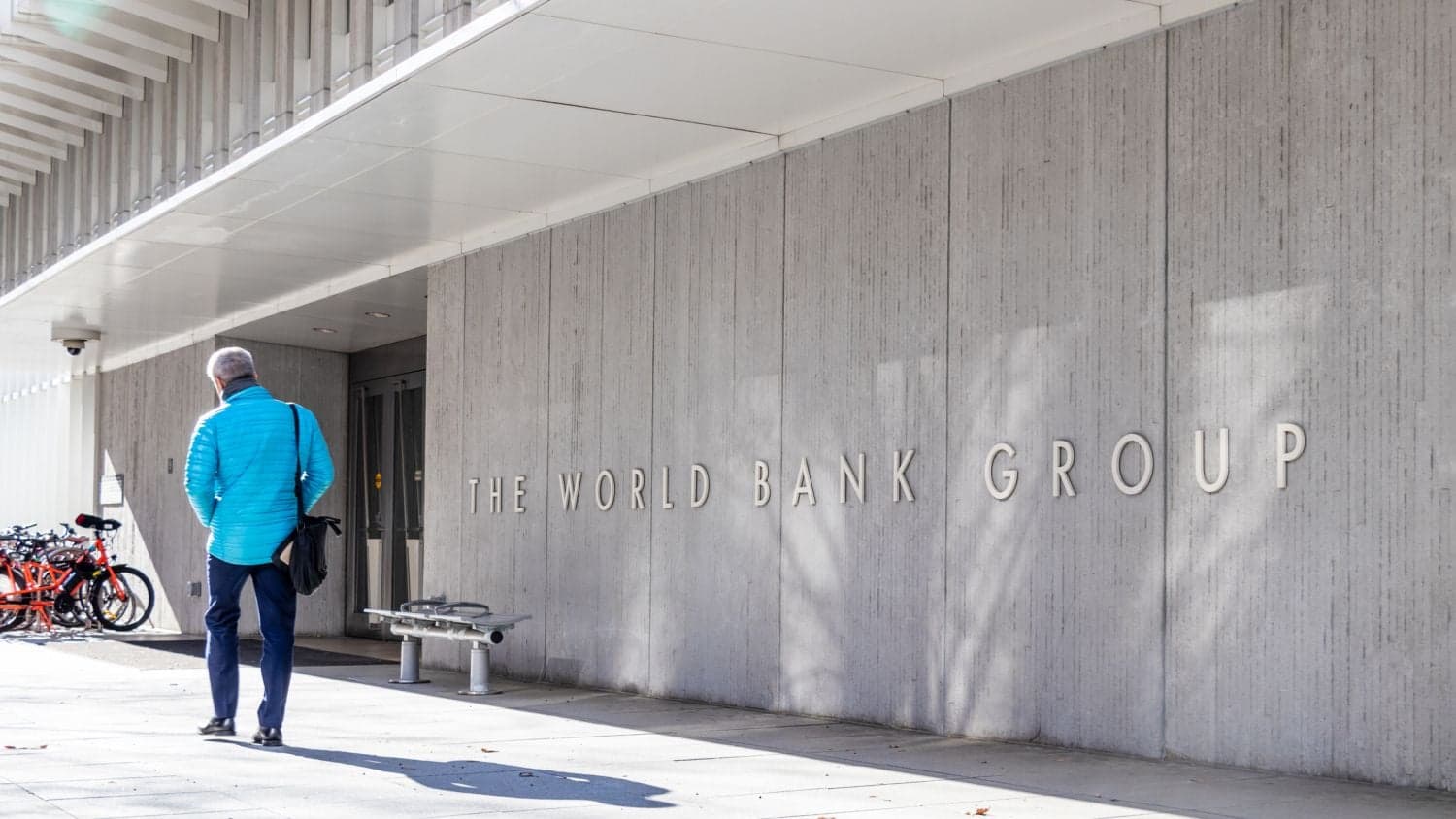
South Africa Secures Nearly R25bn World Bank Loan to Tackle Water and Infrastructure Challenges
South Africa is expected to receive a massive loan of nearly R25 billion from the World Bank. The funding is primarily aimed at addressing the country's critical water challenges alongside other developmental infrastructure needs.