South Africans Prepare for Tuesday Weather as Latest Forecasts Are Released
South Africans are looking ahead to Tuesday, 25 August 2026, following the release of the daily weather forecast. As the country transitions between seasons, these updates remain crucial for daily planning and public safety.
South Africans planning their daily routines have turned their attention to the latest weather predictions, as details emerge regarding the atmospheric conditions expected across the country on Tuesday, 25 August 2026. The daily forecast, originally published by local news outlet The Citizen on the afternoon of Monday, 24 August 2026, serves as a primary guide for citizens preparing for the day's conditions. Daily weather reports are highly anticipated by the public, influencing everything from morning commutes to commercial operations.
While the specific regional temperatures, wind velocities, and precipitation percentages for each province remain housed within the original publication, the release of this forecast highlights the ongoing reliance on timely meteorological updates. In a country characterized by highly diverse regional climates, a single day can bring vastly different experiences. From the coastal reaches of KwaZulu-Natal to the high-altitude plains of Gauteng, residents require precise localized data to navigate their daily schedules safely and efficiently.
August in South Africa represents a critical transitional period as the country prepares to move from the dry, cold winter months into the warmer spring season. During this time, weather patterns can become increasingly volatile and difficult to predict. The Highveld often experiences dry, windy conditions that elevate fire hazards, while the Western Cape may still face late-winter cold fronts bringing rain and strong coastal winds. Consequently, the publication of the Tuesday forecast is particularly relevant for those monitoring these seasonal shifts.
For agricultural sectors, transport networks, and municipal services, these daily updates are more than just a matter of convenience. Farmers rely on accurate daily outlooks to manage crops and livestock, especially during the sensitive transition between seasons. Similarly, logistics companies and daily commuters use these forecasts to anticipate potential travel disruptions caused by poor visibility, heavy rains, or strong winds on major national routes like the N1, N2, and N3.
Because the current trend data does not specify exact numerical values or localized warnings for Tuesday, 25 August 2026, it remains unclear which specific regions will experience extreme conditions or temperature anomalies. Readers are advised to consult the primary source or the South African Weather Service (SAWS) to verify whether any formal weather warnings, such as damaging winds, severe thunderstorms, or disruptive rain, have been issued for their respective municipalities.
The role of digital journalism in distributing these daily updates has become increasingly prominent. Outlets like The Citizen utilize automated feeds and digital platforms to ensure that critical environmental information reaches the public as quickly as possible. This rapid dissemination is vital during periods of sudden weather shifts, where timely warnings can prevent property damage and ensure public safety in vulnerable communities, particularly informal settlements that are highly susceptible to extreme weather.
As the week progresses, South Africans are encouraged to keep a close eye on updated meteorological models. Weather conditions can change rapidly, and a forecast issued on Monday afternoon may be updated by Tuesday morning as new atmospheric data becomes available. Staying informed through reputable local news sources remains the most effective way for citizens to mitigate the risks associated with unpredictable spring weather and plan their outdoor activities with confidence.
Reporting record
How this story was produced
This article was AI-generated from the frozen trend evidence and passed deterministic quality and safety gates. No cross-provider evidence review or independent human verification is claimed for this record.
- Byline
- Newstrends AI Newsroom
- First published
- Last material update
- No later material update recorded
- Distinct source identifiers
- 1 retained source identifier
Frozen source links for this publication
Chronology
Story timeline
A generated chronology for orientation; dates and details may require source verification.
Update
The Citizen publishes the weather outlook for the following day.
Update
The weather forecast for Tuesday takes effect across South Africa's provinces.
Reader file
Frequently asked questions
01What date does this weather forecast cover?
The forecast covers Tuesday, 25 August 2026, and was published on the afternoon of Monday, 24 August 2026.
02Where can I find the specific temperatures and rain forecasts for my area?
Specific regional temperatures and localized weather warnings can be accessed directly through The Citizen's official forecast or the South African Weather Service.
03Why are late-August weather forecasts particularly important in South Africa?
August is a transitional month in South Africa, moving from winter to spring, which often brings unpredictable weather patterns, wind, and temperature fluctuations.
Keep reading
Related coverage
More published reporting connected to this story.
Sunday weather update published: What South Africans need to know ahead of the weekend's close
South Africans planning their Sunday activities are looking to the latest meteorological forecasts following a weather update published by national media. While specific regional temperatures and rain projections remain unconfirmed in initial alerts, the update highlights the ongoing importance of daily weather tracking.
The Citizen Releases National Weather Forecast for Saturday, 8 August 2026
South Africans preparing for the weekend can now access the latest national weather outlook. Published by The Citizen, the forecast for Saturday, 8 August 2026, provides essential guidance for regional planning and outdoor activities.
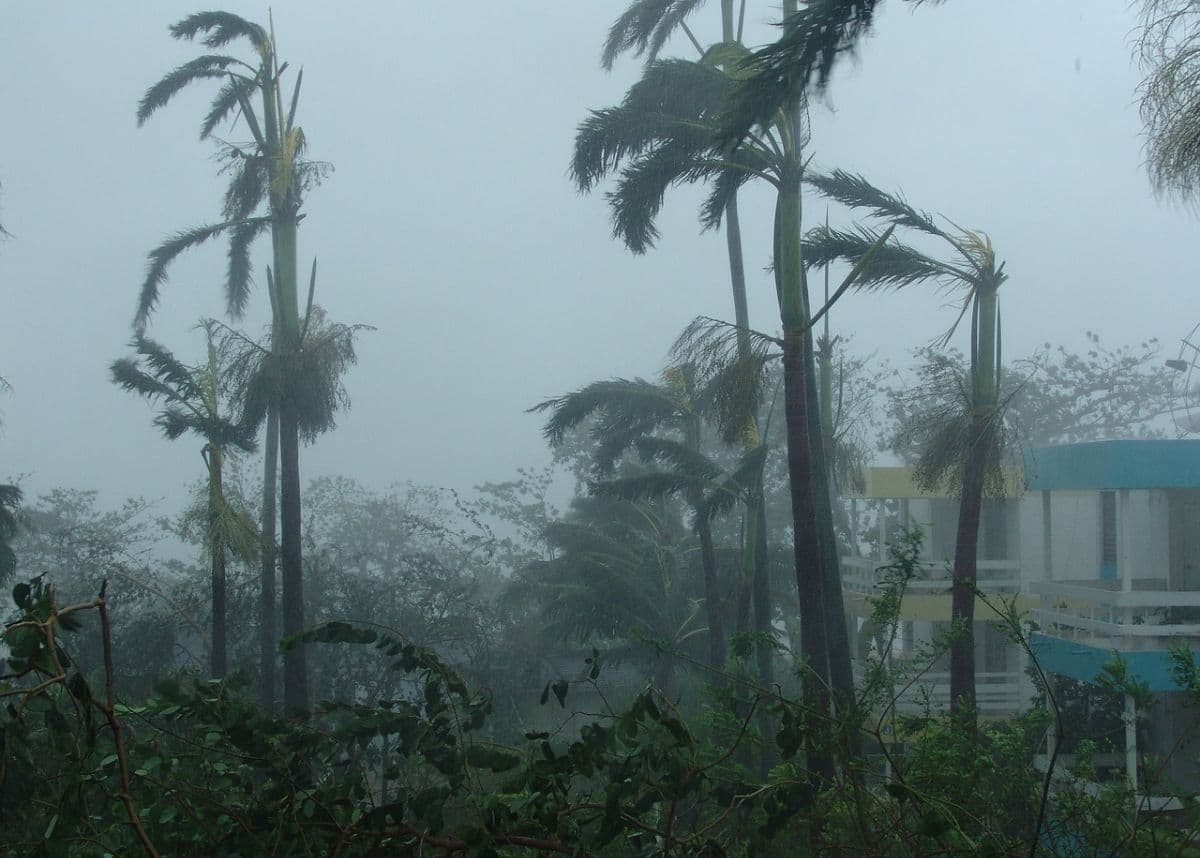
Weather Alert: Strong Winds and Light Rain Expected to Sweep Across the Cape Provinces
A weather alert has flagged incoming strong winds and light rain for specific parts of South Africa, particularly the Cape Provinces. Residents are advised to prepare for potential localized disruptions as official meteorological updates develop.
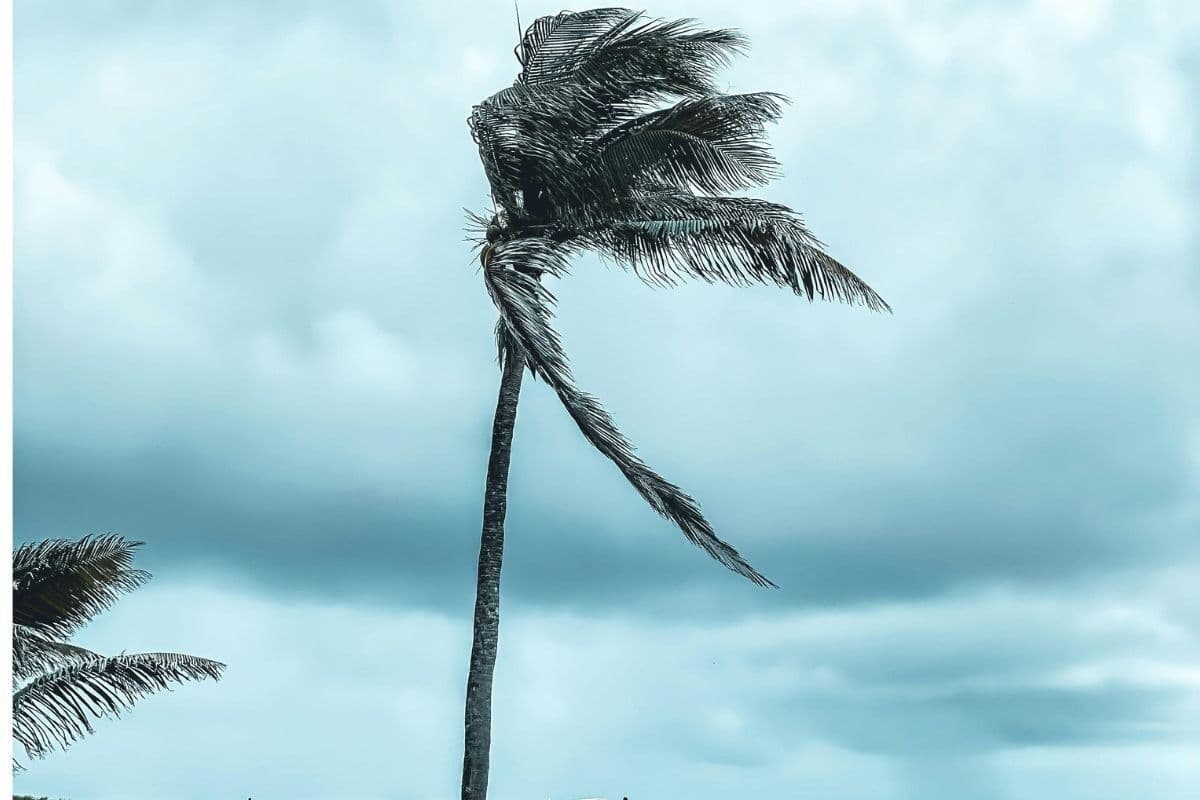
WEATHER: South Africans Warned to Prepare for Strong Winds This Weekend
Reports from 21 August 2026 warn of strong winds expected across South Africa this weekend. While specific regional impacts remain unconfirmed, residents are urged to take precautions and monitor local weather updates.
Weekend Weather Alert: Wind, Rain and Chilly Conditions Set to Hit Parts of South Africa
South Africans are warned to prepare for a cold, wet, and windy weekend as a late-winter weather system approaches. While specific regional details remain unconfirmed, residents across vulnerable areas are urged to take necessary precautions.