The Citizen Captures Global Events in '48 Hours in Pictures' Gallery Featuring Switzerland Fire
The Citizen has released its '48 hours in pictures' gallery for 23 August 2026, offering South Africans a visual roundup of global events. The curated collection features striking imagery, including a notable fire incident in Switzerland. This multimedia feature highlights the growing importance of visual journalism in local digital newsrooms.
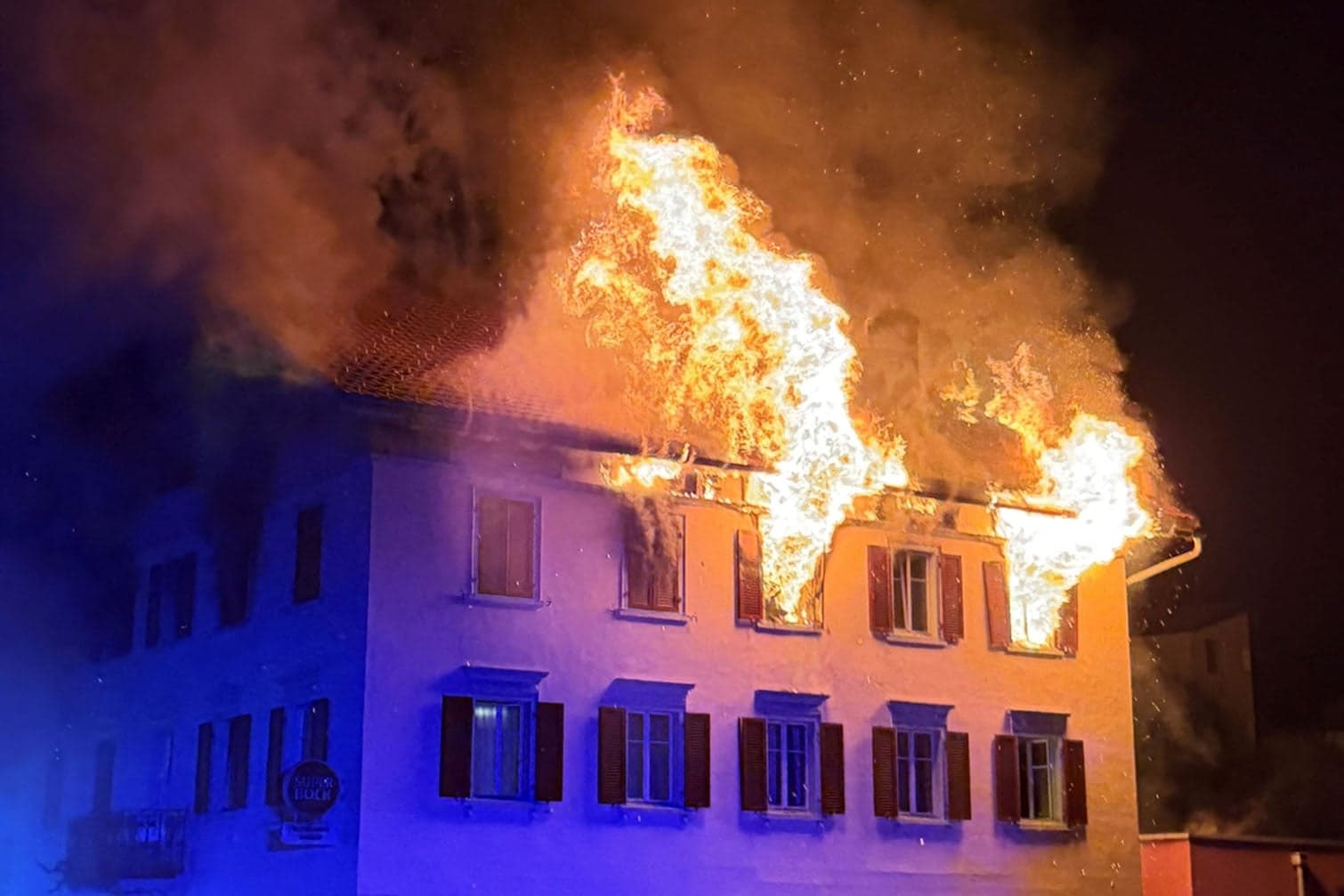
On 23 August 2026, South African news platform The Citizen published its latest curated visual roundup, titled "48 hours in pictures." This regular multimedia feature serves as a vital window for local readers, capturing some of the most dramatic, poignant, and historic moments from around the globe and within South Africa over a two-day window. In an era dominated by rapid digital communication, these curated galleries offer a structured way for the public to digest complex global developments through the powerful medium of photojournalism.
Among the key highlights featured in this specific edition is an image documenting a significant fire incident in Switzerland. The inclusion of this event, captured in the publication's media repository, underscores the diverse geographical reach of the gallery. While specific details regarding the cause of the Swiss fire and the extent of the damage remain thin within the immediate curation index, the visual representation itself communicates the severity of the event to an international audience, including South African observers who closely monitor global environmental and disaster responses.
For South African readers, the consumption of international news through visual roundups is highly significant. Visual storytelling has always held a powerful place in the South African media landscape, historically serving as a tool to document social change, struggle, and daily life. Today, major national outlets like The Citizen utilize these 48-hour roundups to bridge the gap between local realities and international occurrences, ensuring that South Africans remain globally connected and informed about events unfolding thousands of kilometres away.
The curation of such galleries requires a sophisticated blend of editorial oversight and rapid-response sourcing. Newsrooms monitor global feeds, wire services, and local contributors to select images that are not only aesthetically striking but also socially and politically relevant. By condensing two days of global activity into a single, accessible gallery, the feature caters to the modern reader's preference for concise, high-impact visual summaries over lengthy textual analyses, making it a staple of viral and trending digital news.
The inclusion of environmental incidents, such as the fire in Switzerland, also prompts critical reflection among local audiences. South Africa frequently grapples with its own seasonal fire hazards, particularly in the Western Cape and grassland regions during dry seasons. Seeing how other nations, including highly developed European countries like Switzerland, manage emergency responses to sudden blazes provides a point of comparison and highlights the universal challenges posed by extreme weather and infrastructure vulnerabilities in the modern era.
From a technological perspective, the publication of the gallery on 23 August 2026 highlights the ongoing evolution of South African digital newsrooms. Platforms are increasingly prioritizing multimedia-first content to capture the attention of mobile-centric readers. As data costs and internet accessibility continue to evolve across South Africa, highly visual formats like "48 hours in pictures" offer an engaging, low-barrier entry point for citizens seeking to stay updated on current affairs without navigating dense text blocks.
Looking ahead, the role of curated photojournalism is expected to expand further as newsrooms integrate more interactive elements into their reporting. Readers should watch how local publications balance the coverage of major international crises with domestic human-interest stories in these bi-daily roundups. As the world becomes more interconnected, these visual snapshots will remain an essential tool for South Africans seeking to understand their place in a rapidly changing global landscape.
Reporting record
How this story was produced
This article was AI-generated from the frozen trend evidence and passed deterministic quality and safety gates. No cross-provider evidence review or independent human verification is claimed for this record.
- Byline
- Newstrends AI Newsroom
- First published
- Last material update
- No later material update recorded
- Distinct source identifiers
- 1 retained source identifier
Frozen source links for this publication
Chronology
Story timeline
A generated chronology for orientation; dates and details may require source verification.
Update
The Citizen publishes its '48 hours in pictures' gallery featuring global events including a fire in Switzerland.
Reader file
Frequently asked questions
01What is '48 hours in pictures'?
It is a regular curated multimedia feature by South African publication The Citizen, showcasing significant global and local events from the preceding 48 hours through photojournalism.
02What major international event was highlighted in the 23 August 2026 gallery?
The gallery featured visual coverage of a fire incident in Switzerland, among other global events.
03Why are these photo galleries popular among South African readers?
They provide a quick, high-impact visual summary of world news, making complex international events accessible to mobile-centric audiences.
Keep reading
Related coverage
More published reporting connected to this story.
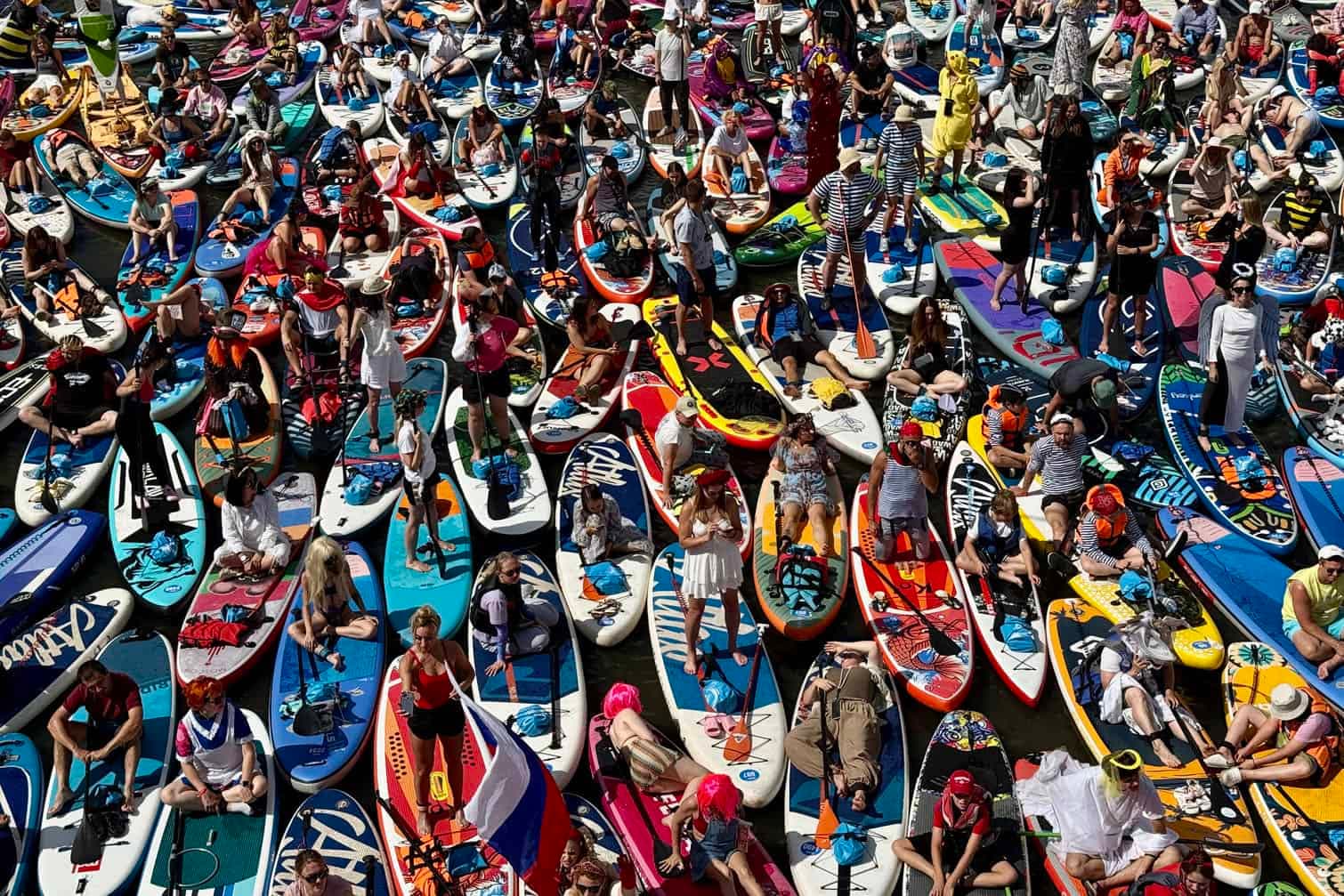
The Citizen Captures Global Moments in '24 Hours in Pictures' Gallery for 10 August 2026
The Citizen has published its daily visual roundup for 10 August 2026, offering South Africans a curated look at major global events. The multimedia gallery highlights the ongoing importance of photojournalism in the local digital media landscape.
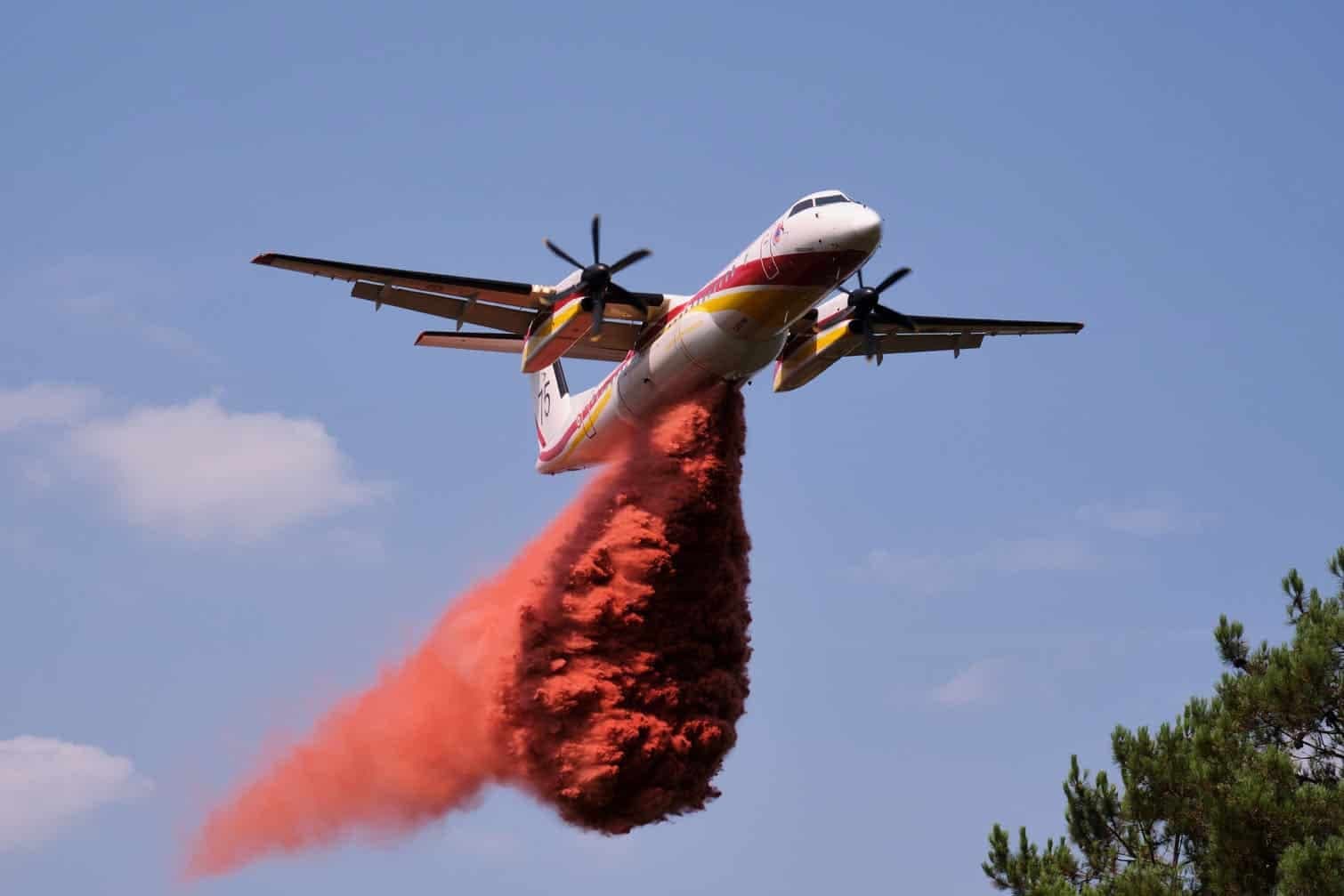
The Power of Photojournalism: The Citizen Captures Global Events and Firefighting Efforts on 30 July 2026
Media outlet The Citizen published its '24 hours in pictures' gallery on 30 July 2026, highlighting significant global events. Among the featured images is a striking depiction of aerial firefighting, emphasizing the ongoing challenges of the dry winter season.

The Citizen Captures Global Events in Daily Photo Digest for 22 July 2026
South African news outlet The Citizen has released its daily visual round-up for 22 July 2026, featuring key global events. Among the highlighted imagery is a significant accident in the Netherlands, illustrating the power of daily photojournalism.

The Citizen Captures Global Moments: A Look at the '48 Hours in Pictures' Feature on 2 August 2026
South African publication The Citizen has released its '48 hours in pictures' gallery for 2 August 2026, highlighting major global events. The curation features impactful imagery, including a prominent photograph of a boat in Indonesia. This visual roundup offers local readers a concise window into international current affairs.
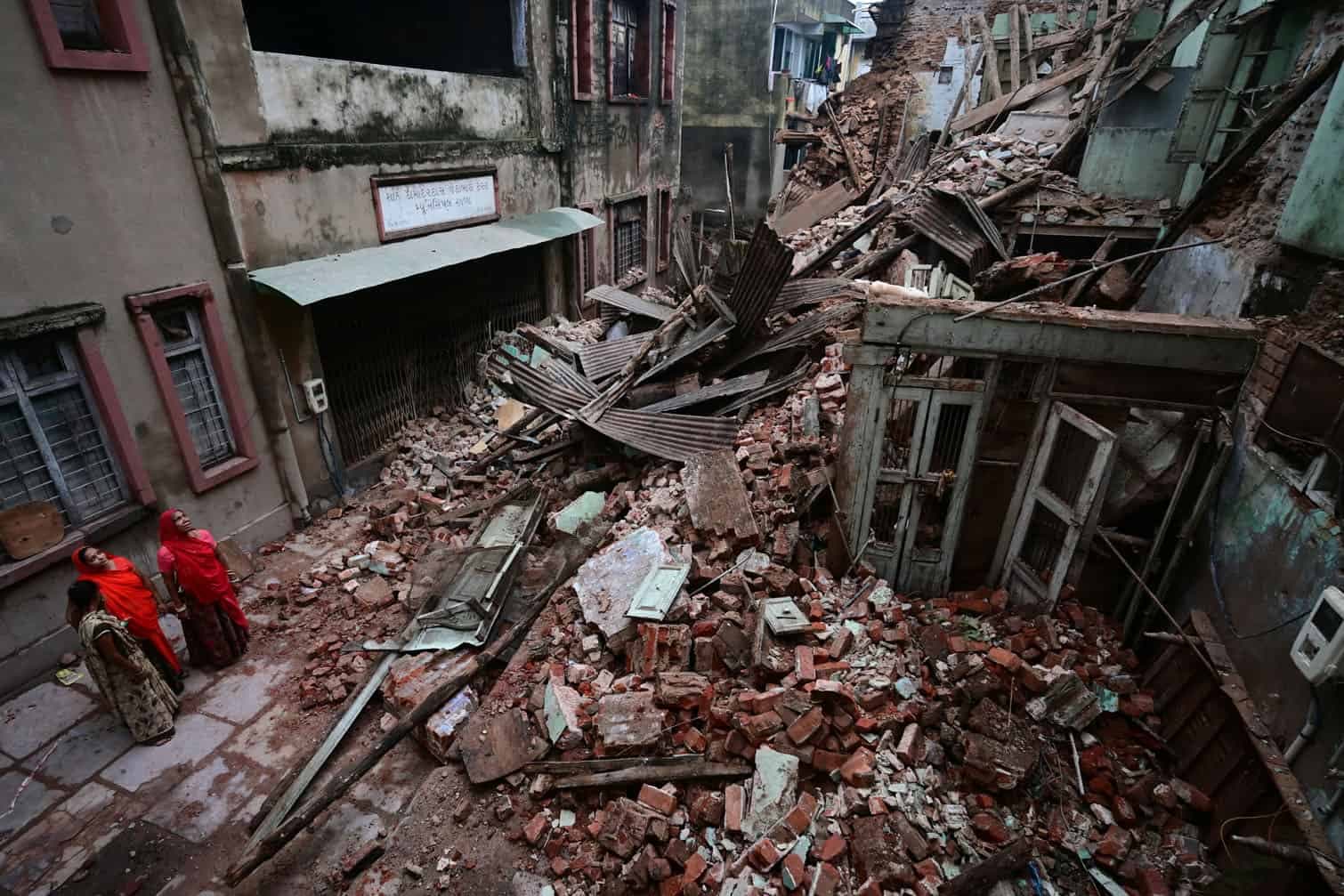
The Citizen Captures Global Events in Daily '24 Hours in Pictures' Feature for 28 July 2026
South African news portal The Citizen has released its daily curated photo gallery for 28 July 2026. The visual roundup connects local readers to key global events, including notable weather developments in India.