South Africa Marks World Elephant Day Amid Global Conservation Efforts
On 12 August 2026, South Africa joined global celebrations for World Elephant Day to highlight conservation efforts. While specific local events remain unconfirmed, the day underscores the country's vital role in protecting African elephants.
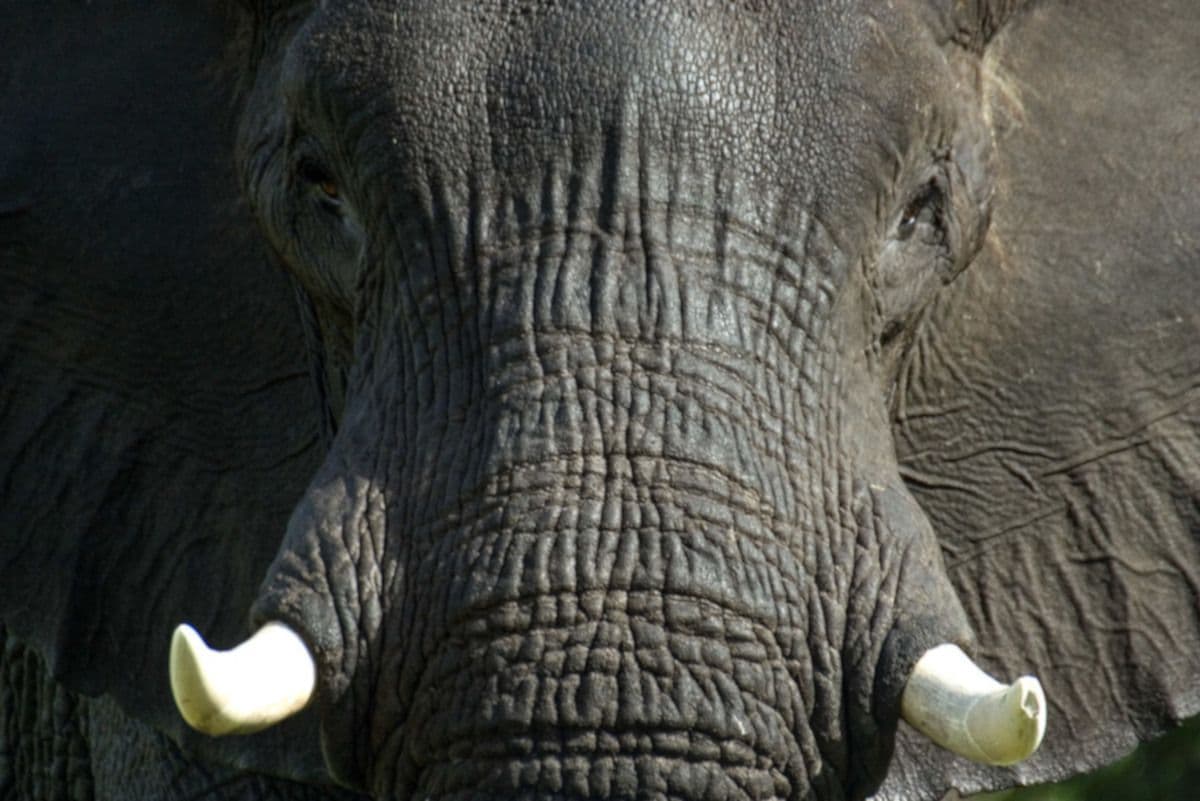
South Africa has officially joined the global community in marking World Elephant Day, a significant annual event on the international conservation calendar dedicated to raising awareness about the plight of these majestic mammals. According to reports published by local media outlet The South African on 12 August 2026, the country marked the occasion amidst ongoing national efforts to protect its elephant populations. The day serves as a critical focal point for both local and international conservationists who advocate for the preservation and protection of these animals.
The news of the celebrations was captured on 12 August 2026, coinciding with the official global date for World Elephant Day. The report, titled "South Africa celebrates World Elephant Day" and published online, highlights the nation's participation in this annual observance. However, the initial data surrounding this specific report does not detail the exact nature of the public events, official government ceremonies, or specific local campaigns that took place across the country on this day.
In analysing the available information, several details regarding the 2026 celebrations remain unclear. It is not currently specified which national parks, private game reserves, or non-governmental organisations hosted dedicated events, nor have specific statements from key bodies such as South African National Parks (SANParks) or the Department of Forestry, Fisheries and the Environment (DFFE) been detailed in the initial source tracking. For a complete picture of the day's proceedings, observers must rely on subsequent briefings from these environmental authorities.
Despite the lack of granular event details in the immediate report, the significance of World Elephant Day to South Africa cannot be overstated. As home to a substantial portion of the African elephant population, particularly within protected areas and regional reserves, South Africa plays a pivotal role in global elephant conservation. The day traditionally serves to highlight the successes of local conservation models while acknowledging the ongoing challenges faced by these animals.
Globally and regionally, elephants face numerous threats, including habitat loss, human-wildlife conflict, and poaching. While South Africa has historically maintained relatively stable elephant populations compared to other parts of the continent, managing these large herbivores presents unique ecological challenges. Issues such as population management in enclosed reserves and the mitigation of conflict with surrounding human communities are central themes that typically underpin any national discussion on World Elephant Day.
For South African citizens and visitors, the celebration of World Elephant Day underscores the practical importance of wildlife tourism to the national economy. The presence of elephants is a major drawcard for international tourists, directly supporting livelihoods in the ecotourism sector. Consequently, public awareness campaigns associated with this day are crucial for fostering a culture of conservation and securing the funding necessary to maintain protected habitats.
Moving forward, wildlife enthusiasts and conservation stakeholders should watch for detailed reports and official statements from South African environmental agencies. These upcoming releases are expected to provide updated census data on elephant populations, progress reports on anti-poaching initiatives, and strategic plans for habitat expansion. Monitoring how the country addresses the balance between conservation and community development will remain a key focus for the remainder of the year.
Reporting record
How this story was produced
This article was AI-generated from the frozen trend evidence and passed deterministic quality and safety gates. No cross-provider evidence review or independent human verification is claimed for this record.
- Byline
- Newstrends AI Newsroom
- First published
- Last material update
- No later material update recorded
- Distinct source identifiers
- 1 retained source identifier
Frozen source links for this publication
Chronology
Story timeline
A generated chronology for orientation; dates and details may require source verification.
Update
Local media outlet The South African reports on South Africa celebrating World Elephant Day.
Reader file
Frequently asked questions
01When is World Elephant Day celebrated?
World Elephant Day is celebrated annually on 12 August to raise awareness about the preservation and protection of elephants globally.
02Who reported on South Africa's participation in 2026?
The national celebrations were reported by local media outlet The South African on 12 August 2026.
03What specific events took place in South Africa for World Elephant Day 2026?
The specific details of local events, government statements, and community initiatives for the 2026 celebrations remain unspecified in the initial reports.
Keep reading
Related coverage
More published reporting connected to this story.
Safety in Focus: Sunday Tribune Shares Essential Advice for Female Solo Travellers
A newly published guide by the Sunday Tribune highlights key safety tips for female solo travellers. As independent travel grows in popularity, South African media outlets are emphasizing practical advice to ensure safe journeys.
Durban Community Mourns Loss of Beloved Monkey Rescuer Steve Smit
The Durban community is mourning the passing of Steve Smit, a well-known local monkey rescuer and animal welfare advocate. While specific details surrounding his death remain unconfirmed, his loss leaves a significant void in KwaZulu-Natal's urban wildlife conservation efforts.
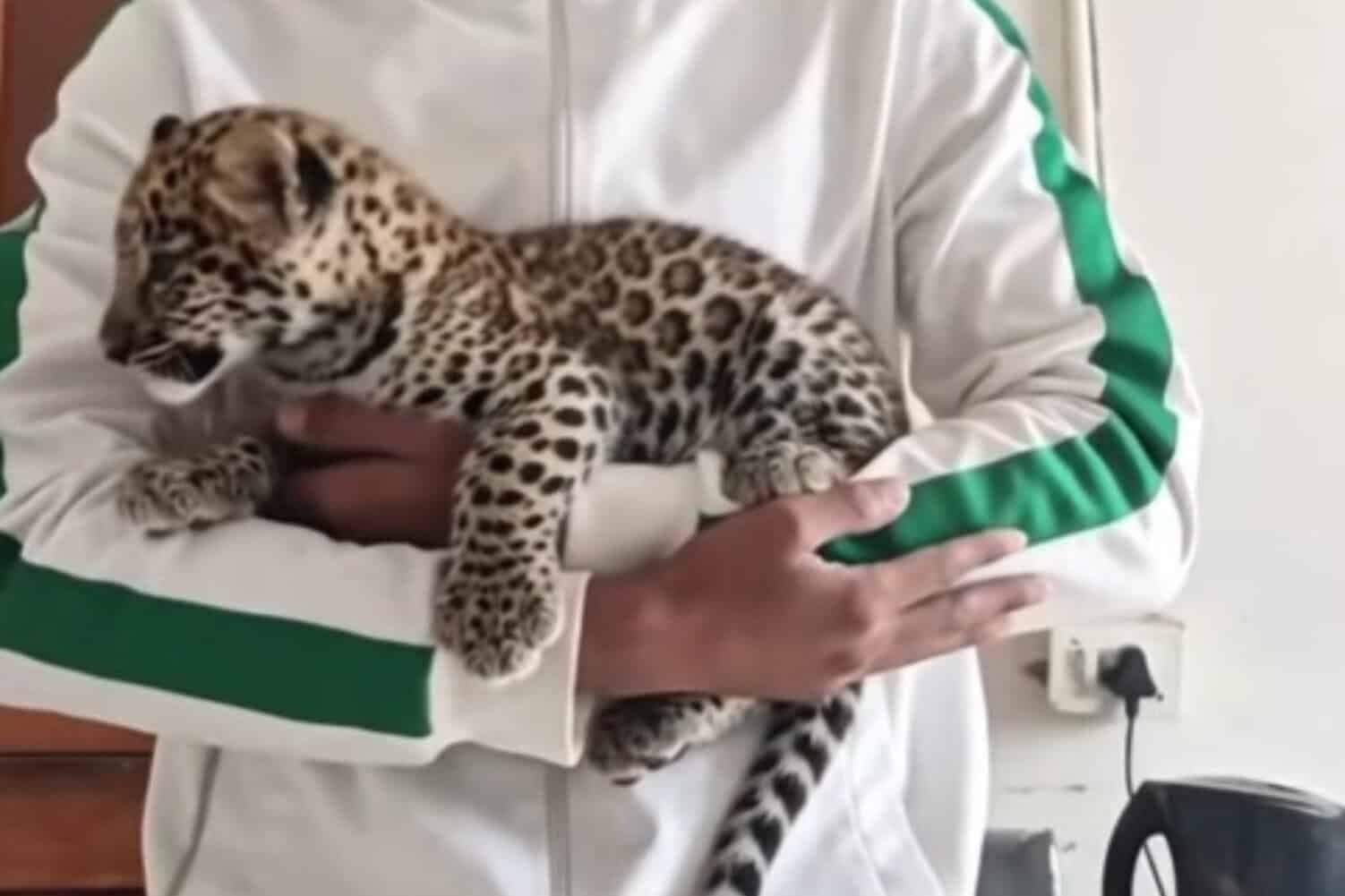
NSPCA verifying authenticity of viral videos showing man raising leopard cub
The National Council of Societies for the Prevention of Cruelty to Animals (NSPCA) is investigating viral footage of a man raising a baby leopard. The organisation is currently verifying the authenticity of the videos to determine if South African wildlife protection laws have been violated.
Honouring K9 Heroes: The Unsung Canine Protectors of South Africa's Wildlife
A report by the Weekend Argus highlights the vital role of specialized K9 units in protecting South Africa's wildlife. These canine heroes and their handlers face extreme risks to combat poaching and preserve the nation's biodiversity.
Ithaca Bets on Mythological Hero Odysseus to Spark Major International Tourism Boom
The Greek island of Ithaca is launching a strategic tourism drive centered on its legendary ancient king, Odysseus. The initiative, reported by South African media, aims to leverage literary heritage to attract global travellers.