South Africa Awaits Final French Investigation Report on Nathi Mthethwa's Death
South African officials are still waiting for the final report from French authorities regarding the death of Nathi Mthethwa. The ongoing delay highlights the complex consular and diplomatic processes involved in cross-border investigations.
South Africa is currently waiting for the final report from French authorities regarding the death of Nathi Mthethwa. According to media reports published by The Star on 27 August 2026, the completed documentation from France detailing the circumstances surrounding the death has not yet been delivered to South African officials. This ongoing delay has kept the focus on the complex administrative and diplomatic processes that govern international investigations when a South African citizen passes away abroad.
At this stage, the verified facts are restricted to the existence of the pending French report and South Africa's ongoing wait for its release. The involvement of French authorities indicates that the incident occurred within French jurisdiction, which automatically triggers their local legal and investigative protocols. However, the specific reasons for the prolonged timeline in finalizing the report have not been officially disclosed, leaving the exact status of the bilateral communication unclear.
To maintain strict journalistic integrity, it is important to highlight what remains unknown. The public reports do not detail the exact cause, date, or location of Nathi Mthethwa’s death in France. Additionally, the specific French government department or law enforcement agency responsible for compiling the report has not been named, nor has there been any official confirmation of a target date for the document's release. Rather than speculating on these missing details, South African readers must await formal briefings from state representatives.
In general diplomatic practice, investigations involving foreign nationals require close coordination between the host country's authorities and the home country's embassy. In South Africa's case, the Department of International Relations and Cooperation (DIRCO) typically manages these interactions. French administrative and judicial procedures are known for their meticulousness, which often results in extended timelines for forensic investigations and legal reviews before an official dossier can be cleared for international transmission.
The relationship between South Africa and France involves established consular channels designed to handle such sensitive matters. Consular officials are tasked with monitoring the progress of local investigations and ensuring that the rights of South African citizens and their families are respected. However, even with active consular engagement, foreign legal systems operate independently, and South African officials have limited power to expedite another sovereign nation's internal investigative timelines.
The delay in receiving such critical documentation has practical implications for both the family of the deceased and state administrators. Without a final official report and death certificate from the foreign jurisdiction, local legal processes—including estate execution, insurance claims, and the formal registration of death in South Africa—can be severely delayed. This situation underscores the challenges faced by families navigating bureaucratic systems across different legal jurisdictions and languages.
Looking ahead, the next crucial steps will involve the formal handover of the finalized report from French investigators to South African diplomatic representatives. Observers and the public will be watching closely for any official updates from DIRCO or spokespersons representing the Mthethwa family. Once the report is received, it is expected to provide the necessary factual clarity regarding the circumstances of the death, allowing local processes to finally move forward.
Reporting record
How this story was produced
This article was AI-generated from the frozen trend evidence and passed deterministic quality and safety gates. No cross-provider evidence review or independent human verification is claimed for this record.
- Byline
- Newstrends AI Newsroom
- First published
- Last material update
- No later material update recorded
- Distinct source identifiers
- 1 retained source identifier
Frozen source links for this publication
Chronology
Story timeline
A generated chronology for orientation; dates and details may require source verification.
Update
The Star reports that South Africa is still awaiting the final French investigation report on Nathi Mthethwa's death.
Reader file
Frequently asked questions
01Why is South Africa waiting for a French report?
Because the death of Nathi Mthethwa occurred within French jurisdiction, requiring French authorities to conduct an investigation and compile an official report under their local legal framework.
02What details have been released about Nathi Mthethwa's death?
As of late August 2026, official details regarding the cause, date, and location of the death have not been publicly disclosed, pending the final report.
03Who is handling the communication between South Africa and France?
Typically, diplomatic communication and consular services are managed by South Africa's Department of International Relations and Cooperation (DIRCO) in coordination with French authorities.
Keep reading
Related coverage
More published reporting connected to this story.
How Does Repatriation Work in South Africa? The Process Explained
A guide published on 12 August 2026 outlines the complex administrative process of repatriation in South Africa. The procedure involves coordination between DIRCO and Home Affairs, though many operational details and costs remain complex for citizens abroad.
R600m Meth Lab Bust Sparks Fears of Mexican Cartel Infiltration in South Africa
A massive R600 million methamphetamine laboratory bust in South Africa has raised serious concerns over the potential involvement of Mexican drug cartels. The scale of the operation highlights the growing threat of transnational organized crime networks establishing manufacturing hubs within the country.
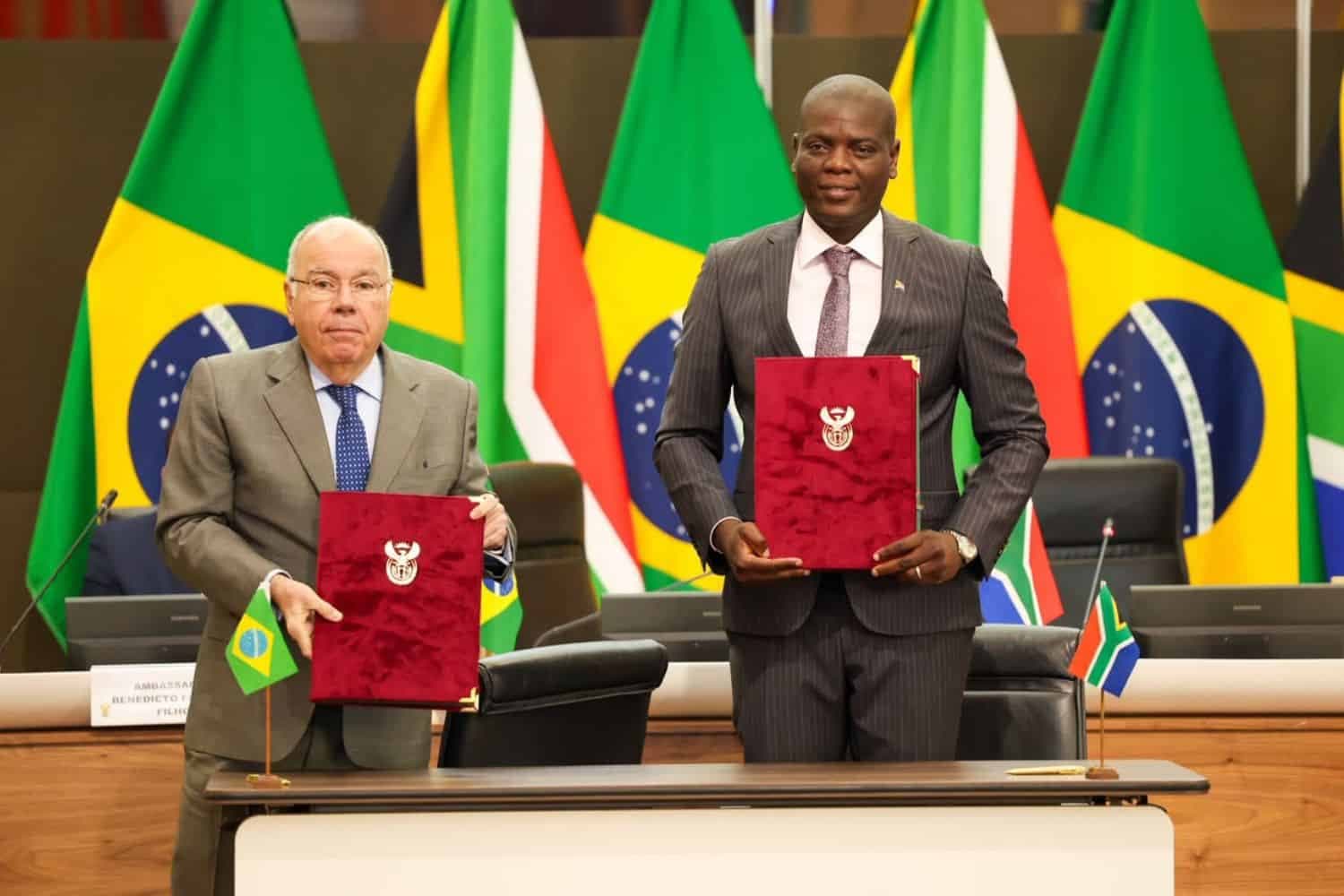
South Africa and Brazil Cement Bilateral Ties as Lamola Labels Democracy ‘a Work in Progress’
South Africa and Brazil have strengthened their bilateral partnership during recent diplomatic engagements. South African representative Lamola emphasized that democracy remains 'a work in progress' for both nations as they seek closer strategic cooperation.

United States Quietly Grants South Africa a Major Win and Massive Relief
The United States has reportedly delivered a significant and quiet victory to South Africa, offering what is described as massive relief. While official details remain scarce, the development has sparked immediate interest across the country's business and diplomatic sectors.
Cash-in-Transit Robberies Surge in South Africa with Nearly 120 Incidents Reported
Reports indicate a worrying surge in cash-in-transit (CIT) robberies across South Africa, with nearly 120 incidents documented. The rising figures highlight ongoing security challenges and the sophisticated nature of criminal syndicates targeting financial logistics.