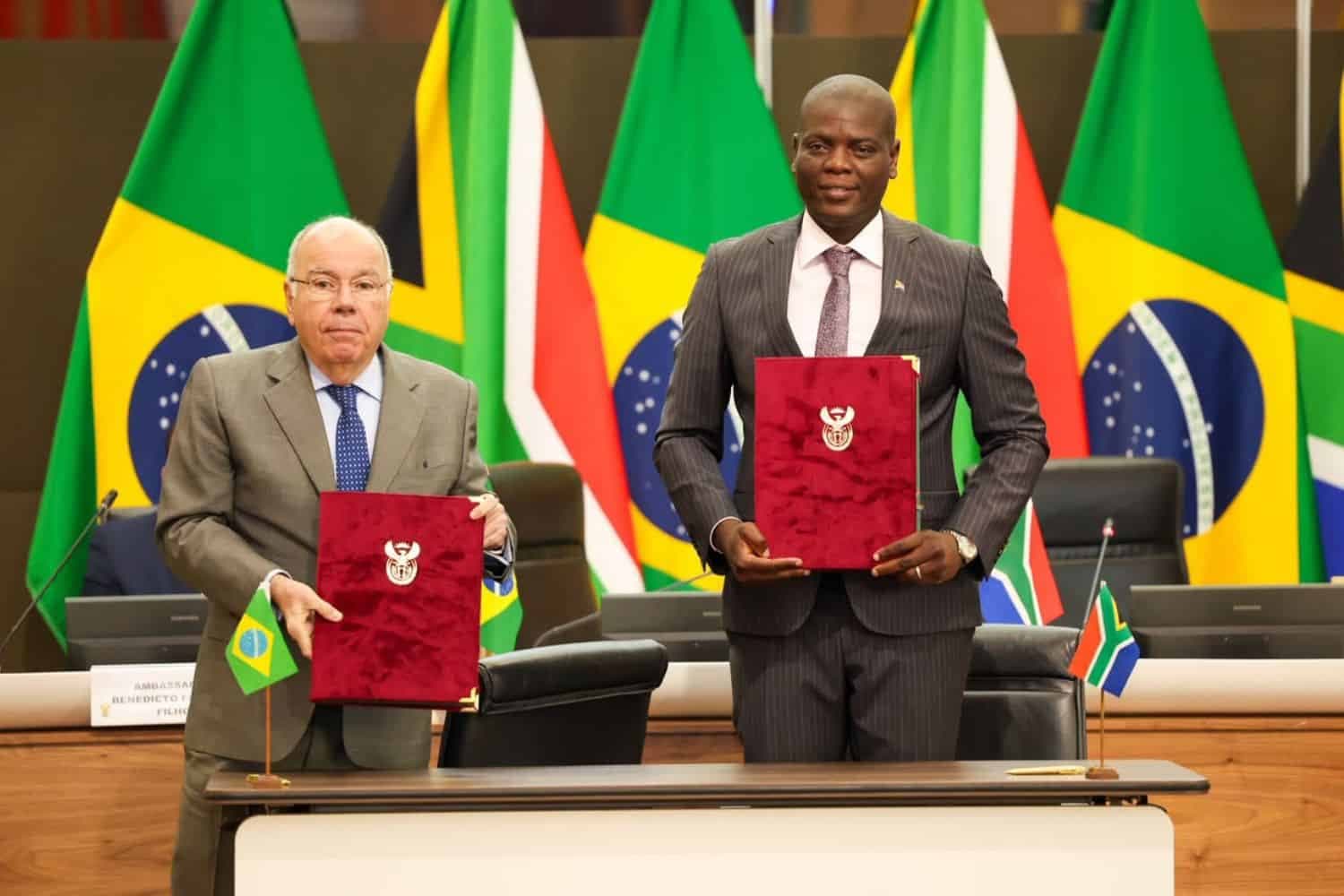
South Africa and Saudi Arabia have taken a significant step forward in strengthening their bilateral relations, focusing on boosting tourism ties to streamline and ease travel for South African pilgrims. This development, which emerged on 9 September 2026, highlights a collaborative effort to address long-standing travel challenges faced by South Africans heading to the Kingdom of Saudi Arabia. The initiative is set to foster closer cooperation between the two nations' tourism sectors.
Visual evidence accompanying the announcement points to direct engagement between key high-level officials from both countries. An official image featuring the names "Al-Rabiyah" and "De Lille" indicates that South Africa’s Minister of Tourism, Patricia de Lille, and her Saudi counterpart, Al-Rabiyah, are at the forefront of these discussions. Their direct involvement underscores the high-level diplomatic commitment to resolving travel bottlenecks and enhancing mutual tourism frameworks.
For South Africa's substantial Muslim community, the journey to the holy sites in Saudi Arabia for the Hajj and Umrah pilgrimages is a profound spiritual milestone. However, organizing these journeys has historically involved complex logistical arrangements, including securing visas, navigating international travel regulations, and managing transport links. By focusing on easing these journeys, the bilateral talks aim to directly alleviate these administrative burdens for local travellers.
Beyond the religious significance, the strengthening of tourism ties between Pretoria and Riyadh represents a strategic diplomatic move. Tourism is a vital economic driver for both nations, and fostering stronger relations with Gulf countries opens up new avenues for reciprocal travel, cultural exchange, and economic investment. This aligns with South Africa's broader international tourism growth strategies and diplomatic outreach.
According to the initial reports published by South African media outlets, including The Citizen, the primary objective of this renewed partnership is to facilitate smoother transit and entry requirements for South African citizens. The collaboration is expected to focus on leveraging shared protocols to simplify the documentation and travel processes required for religious tourism, making the journey more accessible.
While the announcement has been welcomed by travel operators and community leaders across South Africa, several specific details remain unconfirmed. The exact regulatory changes, the timeline for implementing new travel protocols, and whether there will be changes to the annual pilgrim quotas for South Africans have not yet been publicly detailed. Observers note that further bilateral working groups will likely be required to formalise these agreements.
If successfully implemented, the easing of travel restrictions could lead to more affordable and accessible travel packages for South Africans. Reduced administrative hurdles often translate to lower operational costs for travel agencies, which could pass those savings on to pilgrims. Additionally, it could foster a more robust year-round travel pattern rather than concentrating travel only during peak pilgrimage seasons, benefiting the aviation and hospitality sectors.
As South Africa and Saudi Arabia move forward with this cooperative framework, observers will be watching for official ministerial statements detailing the concrete steps of the agreement. The progression of these tourism ties will serve as an important indicator of South Africa's active diplomacy in the Middle East and its commitment to supporting its diverse cultural and religious communities on the global stage.
![South Africa, Saudi Arabia boost tourism ties to ease pilgrim journeys [VIDEO]](/_next/image?url=https%3A%2F%2Fmedia.citizen.co.za%2Fwp-content%2Fuploads%2F2026%2F09%2FAl-Rabiyah-and-De-Lille.jpg&w=3840&q=75)