South Africans are bracing for a day of starkly contrasting weather extremes on Monday, 21 September 2026, as severe storms are expected to lash parts of KwaZulu-Natal while the Northern Cape faces extreme fire danger. The warnings highlight the diverse meteorological challenges facing different regions of the country simultaneously, requiring residents in the affected provinces to remain vigilant and prepare for potentially hazardous conditions.
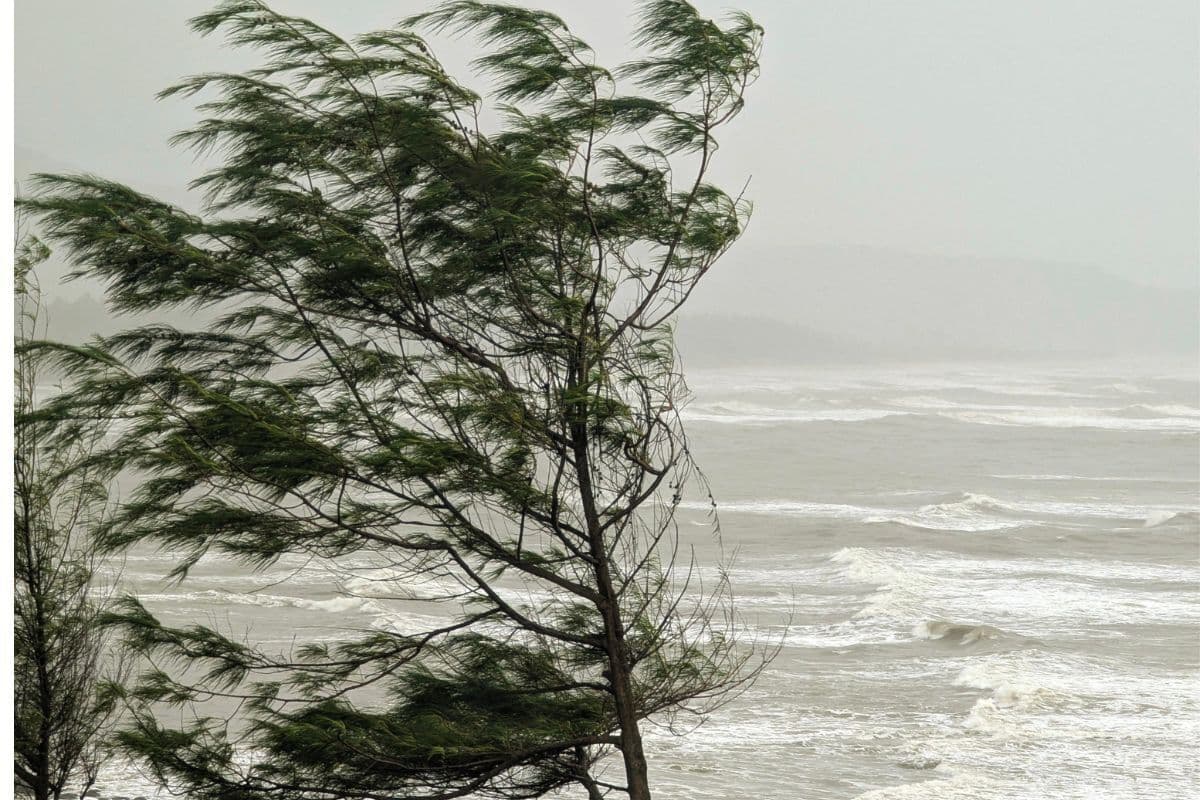
In KwaZulu-Natal, the forecast of severe storms presents a significant concern for local communities. While the initial reports confirm that severe weather is on the horizon for Monday, they do not specify the exact hours the storms are expected to hit or which specific districts and municipalities within the province will bear the brunt of the weather system. Historically, severe storms in this region can lead to localized flooding, strong winds, and lightning, though the precise characteristics of this impending system remain to be officially detailed.
On the opposite side of the country, the Northern Cape is dealing with a completely different environmental threat. Meteorological alerts have flagged an extreme danger of fire across the province for Monday. This indicates that atmospheric conditions, such as high temperatures, low humidity, and strong winds, are likely to align, creating an environment where wildfires can easily ignite and spread rapidly. However, the specific regions of the Northern Cape most at risk, as well as the exact temperature and wind forecasts driving this alert, have not been detailed in the initial reports.
Because the available data does not outline the precise parameters of these weather events, several critical details remain unclear for the public. For instance, it is not yet known whether the severe storms in KwaZulu-Natal will be accompanied by heavy downpours, destructive hail, or gale-force winds. Similarly, for the Northern Cape, it remains unclear whether the fire danger warning is concentrated in the arid interior, the coastal strip, or spans the entire province. This lack of specific detail makes it essential for residents to seek out localized updates as the day progresses.
For residents in KwaZulu-Natal, the practical implications of a severe storm warning involve taking proactive safety measures. While waiting for more detailed localized alerts, community members are generally advised to secure loose property, avoid traveling on flooded roads or crossing low-lying bridges, and ensure that emergency contact numbers are readily available. Businesses and schools in the province may also need to monitor the situation closely to ensure the safety of commuters and staff during the peak hours of the storm.
Meanwhile, in the Northern Cape, the extreme fire danger warning requires a different set of precautionary actions. Landowners, farmers, and residents are urged to exercise extreme caution when dealing with open flames or machinery that could generate sparks. In these conditions, even a small spark can quickly escalate into a devastating veld fire. Ensuring that fire-fighting equipment is functional and that communication lines with local fire protection associations are open is crucial during high-risk periods.
As Monday unfolds, the primary focus for citizens in both provinces should be on monitoring official meteorological updates and emergency broadcasts. Because weather systems can develop and shift rapidly, staying informed through verified local news sources and official weather channels is the most effective way to mitigate the risks associated with these extreme conditions. Local disaster management teams in both KwaZulu-Natal and the Northern Cape are expected to be on high alert to respond to any emergencies that may arise from these contrasting weather threats.
Ultimately, the weather outlook for Monday, 21 September 2026, serves as a reminder of the volatile nature of South Africa's climate. With one province preparing for heavy storms and another on high alert for runaway fires, the day demands heightened awareness and preparedness from all affected South Africans.