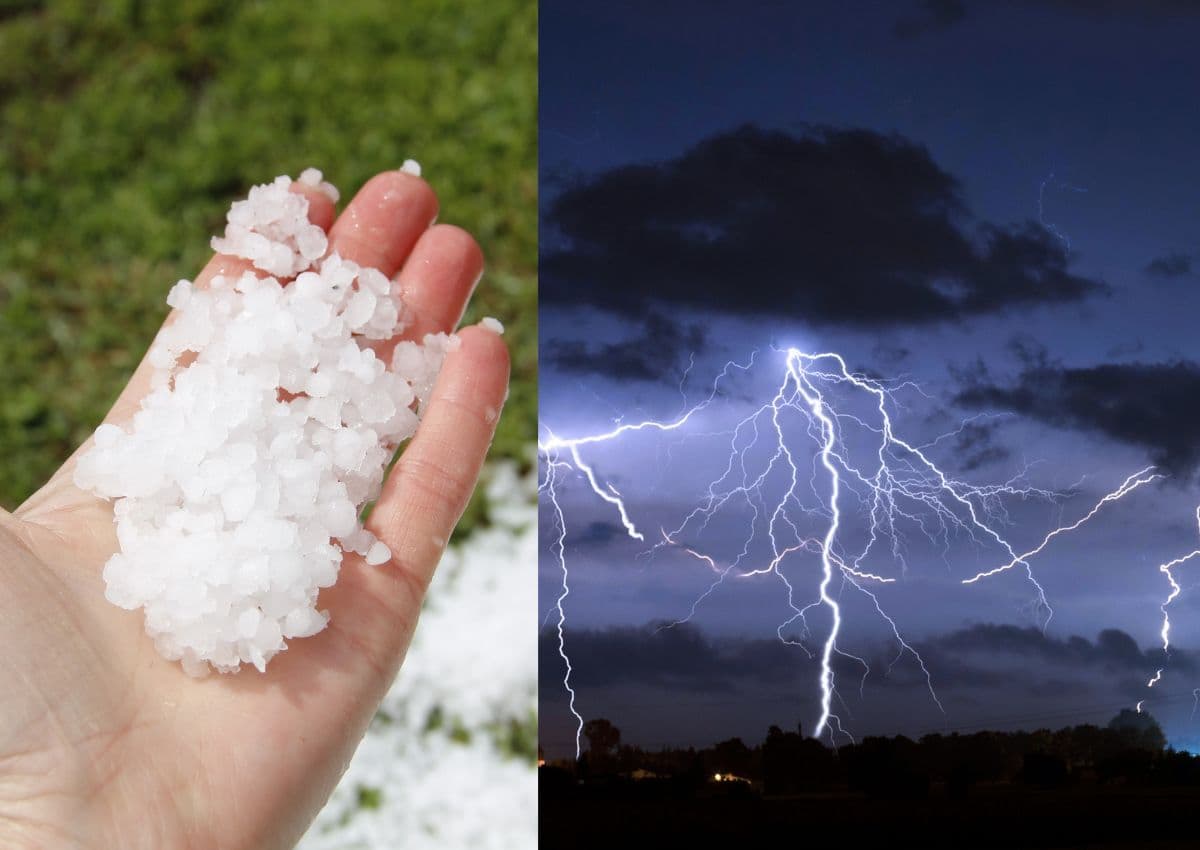
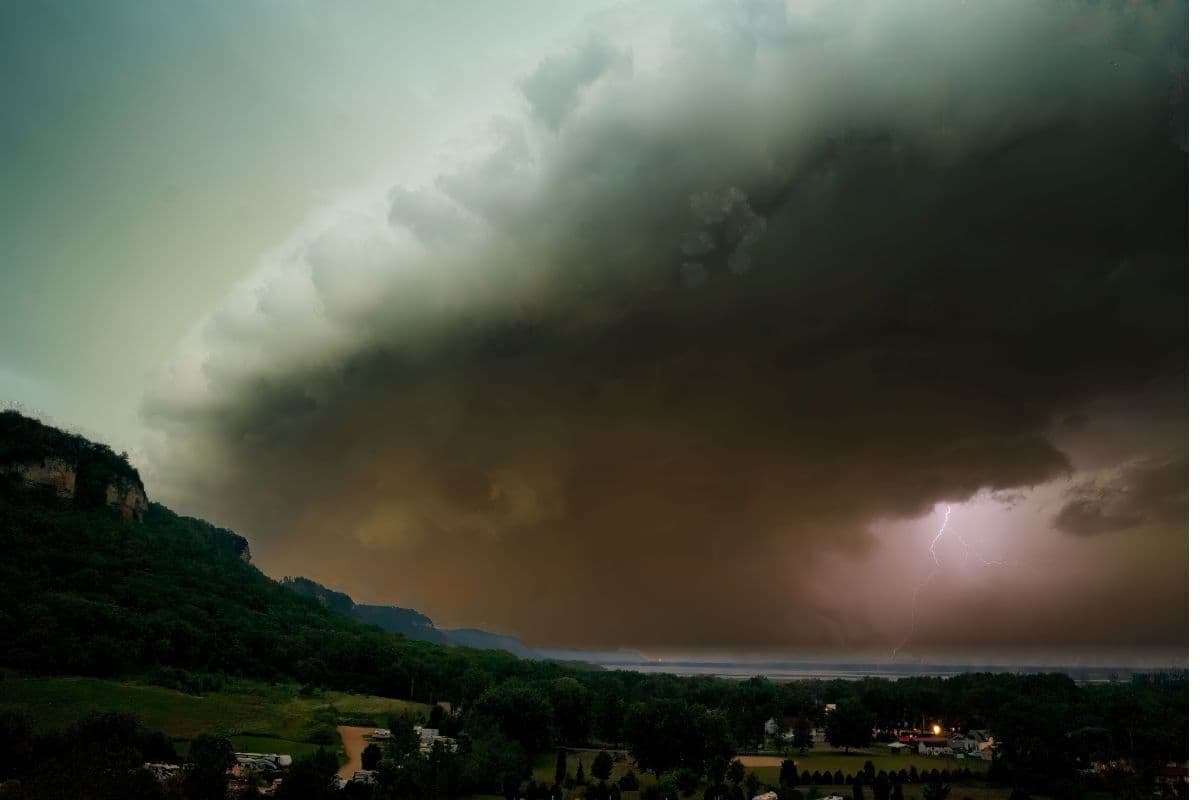
South Africans are being urged to prepare for severe weather conditions as reports emerge of impending severe storms and excessive lightning across the country. According to initial weather forecasting reports published on 19 September 2026, atmospheric instability is expected to trigger volatile weather systems, raising concerns for safety and infrastructure across multiple provinces. The alert highlights a significant risk of electrical storms, which are a well-known hazard in various regions of South Africa.
While the primary alert from local sources, including reports by The South African, confirms that severe storms and excessive lightning are projected, specific regional details remain limited. The preliminary forecasts indicate that multiple provinces will be affected, but the exact geographical boundaries of the most severe impacts have not yet been fully detailed. For residents, this means keeping a close eye on local municipal updates and national weather services as the systems develop.
The mention of excessive lightning is particularly notable for South African communities. The country's interior, especially the Highveld region encompassing Gauteng, Mpumalanga, and the Free State, is climatologically prone to high-frequency lightning activity during transitional weather periods. Electrical storms of this nature pose severe risks, including localized power outages, damage to sensitive electrical infrastructure, and direct threats to human life and livestock.
At this stage of the weather advisory, several key details remain unconfirmed. The exact timing of the storm systems' arrival, the projected volume of rainfall, and whether these storms will be accompanied by destructive winds or hail have not been specified in the initial reports. Furthermore, official watch levels or warnings from the South African Weather Service regarding localized flooding have yet to be detailed in relation to this specific alert. This lack of immediate detail underscores the necessity for residents to remain vigilant and seek out real-time updates.
In the absence of granular provincial data, general safety protocols for severe electrical storms are highly relevant for South Africans nationwide. Emergency services typically advise individuals to seek sturdy shelter immediately when thunder roars. Staying indoors, away from windows, and avoiding the use of electrical appliances are standard precautionary measures during periods of excessive lightning. Motorists are also cautioned to expect reduced visibility and potentially hazardous road conditions should the storms bring heavy downpours.
The combination of severe storms and excessive lightning also raises concerns for South Africa's utility infrastructure. Lightning strikes can damage transformers and disrupt localized power distribution networks, which are already under constant pressure. Municipalities and utility providers are expected to monitor the situation closely, though no official statements regarding emergency deployment or repair crews have been confirmed in the initial tracking data.
As the situation unfolds, the immediate priority for South Africans is to monitor localized weather channels and official communication platforms. Because weather patterns can shift rapidly, particularly during the spring and summer transition months, early warnings are critical. Residents in low-lying areas or regions historically susceptible to flash flooding should take preliminary steps to secure their properties, while keeping emergency contact numbers on hand.
In summary, the alert issued on 19 September 2026 serves as an important reminder of the volatile nature of South African weather systems. With severe storms and excessive lightning on the horizon, the public is advised to prioritize safety, remain informed, and prepare for potential disruptions. Further updates from meteorologists and provincial disaster management teams will be crucial in defining which areas face the greatest risk in the coming days.