Major Metro Ordered to Stop Threatening Private Schools as SOE Owes South Africans R21 Billion
A major South African city has been ordered to halt its threatening behaviour towards private schools. Meanwhile, an unnamed state-owned enterprise is under fire for owing citizens a staggering R21 billion, highlighting ongoing public sector challenges.
A major South African metropolitan municipality has been ordered to immediately cease its threatening behaviour toward private schools, while concurrently, an unnamed state-owned company is facing intense scrutiny over a staggering R21 billion debt owed to South Africans. These dual revelations, published on 21 July 2026, have sent shockwaves through both the education and corporate sectors, highlighting ongoing friction between local government authorities and private entities, alongside the persistent financial instability plaguing the country's public institutions.
The directive ordering the major city to stop threatening private schools points to a significant, albeit developing, conflict. In South Africa, private or independent schools often navigate complex regulatory, zoning, and municipal billing environments. While the specific metropolitan council and the exact nature of the threats have not been detailed in the initial reports, such disputes typically involve municipal rates, service delivery disagreements, or compliance issues. The intervention suggests that local authorities may have overstepped their legal boundaries, prompting a formal order to halt their aggressive actions.
Private schools play a critical role in easing the burden on the country's overstretched public education system, offering alternative learning environments for thousands of pupils. However, they frequently find themselves at loggerheads with local metros over municipal valuations, utility tariffs, and administrative red tape. An order of this nature indicates a formal escalation, potentially from a court or a regulatory body, aimed at protecting these educational institutions from arbitrary municipal pressure while a permanent resolution is negotiated.
Simultaneously, the revelation that a state-owned enterprise owes South Africans R21 billion has raised serious concerns about fiscal management. This massive figure represents a significant financial liability that directly impacts citizens. In South Africa's economic landscape, state-owned enterprises have historically struggled with debt, mismanagement, and operational inefficiencies. While the identity of the specific state-owned company remains unspecified in the initial dispatch, a liability of this magnitude raises critical questions about financial governance, unpaid contracts, or citizen-focused obligations.
South Africans are all too familiar with the financial woes of state entities, which frequently require multi-billion rand bailouts from the national treasury to remain solvent. Whether this R21 billion debt relates to unpaid consumer refunds, pension fund discrepancies, municipal debt, or public-sector bonds, it underscores the deep-seated systemic challenges within the state's commercial portfolio. The fact that this money is owed directly to South Africans adds a layer of urgency, as households continue to grapple with high living costs and economic pressure.
For parents, educators, and operators of private schools, the order against the major city offers a temporary sigh of relief, ensuring that educational activities are not disrupted by municipal disputes. On the economic front, the R21 billion SOE debt highlights the ongoing fiscal risk that state companies pose to the national economy. If South Africans are owed this capital, its withholding could be stifling local economic liquidity and eroding trust in public institutions.
As these stories develop, South Africans will be watching closely for the formal disclosure of the specific municipality and private schools involved in the legal or administrative standoff. Similarly, the public will demand immediate clarity on which state-owned company is carrying the R21 billion debt, how this liability was accrued, and what concrete steps are being taken to return these funds to the rightful citizens. Transparency from both municipal leaders and national government representatives will be crucial in the coming days to resolve these pressing issues.
Reporting record
How this story was produced
This article was AI-generated from the frozen trend evidence and passed deterministic quality and safety gates. No cross-provider evidence review or independent human verification is claimed for this record.
- Byline
- Newstrends AI Newsroom
- First published
- Last material update
- No later material update recorded
- Distinct source identifiers
- 1 retained source identifier
Chronology
Story timeline
A generated chronology for orientation; dates and details may require source verification.
Update
Reports emerge detailing a major city ordered to stop threatening private schools and an SOE owing R21 billion to South Africans.
Reader file
Frequently asked questions
01Which major city was ordered to stop threatening private schools?
The specific metropolitan municipality has not been named in the initial reports.
02Which state-owned company owes South Africans R21 billion?
The identity of the state-owned enterprise responsible for the R21 billion debt remains unspecified in the initial disclosure.
Keep reading
Related coverage
More published reporting connected to this story.
Report Indicates Domestic Workers and Checkers Sixty60 Drivers Are Fleeing South Africa
A recent report by BusinessTech.co.za suggests a developing trend of domestic workers and Checkers Sixty60 drivers departing South Africa. The article, captured on July 18, 2026, highlights a concerning movement within key South African labour sectors, though specific reasons or scale remain unquantified in the available data.
Discovery Alerts SA Motorists to Driving Habit Deemed More Dangerous Than Drunk Driving
South African insurer and wellness giant Discovery has issued a significant warning to motorists regarding a driving habit it identifies as more hazardous than driving under the influence. While the specific habit has not yet been disclosed, the severity of the comparison underscores an urgent call for increased road safety awareness among drivers.
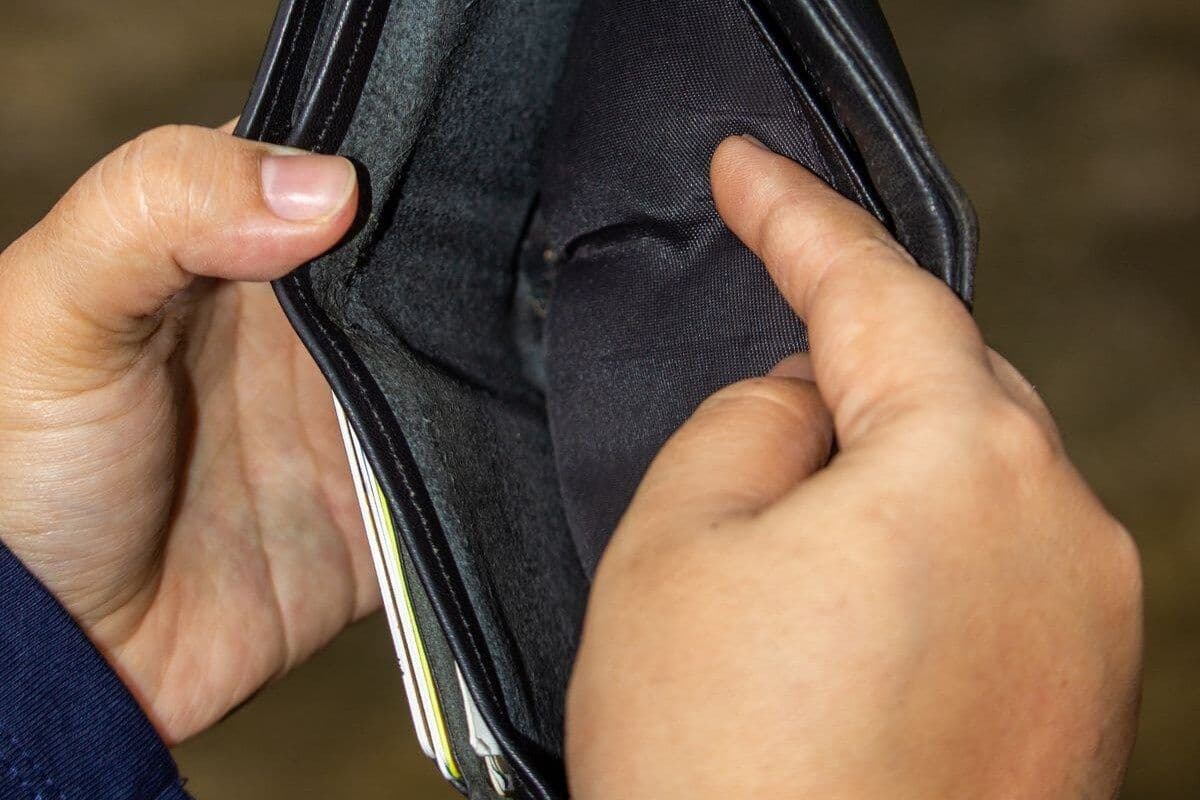
‘Not Enough’: SASSA Beneficiary Exposes Daily Survival Struggles on R580 Monthly Grant
A SASSA beneficiary has highlighted the severe financial strain of surviving on a monthly grant of R580. The public disclosure underscores the growing gap between state welfare support and the rising cost of living in South Africa.
Kumba Iron Ore Forecasts Significant Drop in Interim Headline Earnings
South African mining giant Kumba Iron Ore has warned of a projected decline in its interim headline earnings. While the preliminary report flags a significant downturn, the exact figures and underlying drivers remain unconfirmed ahead of the full financial release.
The Hidden Cost of Debt is Hitting South African Homes Harder Than Ever
A rising tide of hidden borrowing costs is putting unprecedented pressure on South African household budgets. As secondary fees and insurance premiums compound, consumers face a growing financial squeeze.