The Hidden Cost of Debt is Hitting South African Homes Harder Than Ever
A rising tide of hidden borrowing costs is putting unprecedented pressure on South African household budgets. As secondary fees and insurance premiums compound, consumers face a growing financial squeeze.
On 21 July 2026, financial analyses highlighted a worrying trend for South African consumers: the hidden cost of debt is hitting local households harder than ever before. According to reports published by Independent Online (IOL), the compounding financial pressures on domestic budgets are no longer just driven by primary interest rates, but are increasingly exacerbated by the lesser-known, secondary expenses associated with borrowing. This development signals a challenging period ahead for domestic consumer spending and household stability across the country.
For many South African families, the true cost of maintaining credit extends far beyond the headline interest rate. The "hidden" components of debt typically include mandatory credit life insurance, monthly administration fees, initiation fees, and penalty charges for late payments. While these individual charges may seem negligible on a monthly statement, their cumulative effect over the lifespan of a loan can add thousands of Rands to the total amount owed, catching many borrowers unprepared.
The timing of this trend is particularly critical for South Africa, where households have historically grappled with high debt-to-income ratios. As the cost of living remains a primary concern, many consumers rely on credit cards, personal loans, and store accounts to cover basic necessities. When the hidden costs of these financial products escalate, it reduces the disposable income available for essential household needs such as food, electricity, transport, and education.
While the broad impact of these rising costs is clear, the specific quantitative details regarding which income brackets are suffering the most remain to be fully detailed. Financial analysts suggest that both middle-income earners, who rely heavily on secured debt like vehicle finance and home loans, and low-income earners, who utilize unsecured short-term loans, are feeling the squeeze in different ways. However, comprehensive statistical breakdowns from national credit bureaus are still awaited to confirm the exact scale of the distress.
In response to these mounting pressures, financial experts emphasize the importance of consumer education and vigilance. South Africans are being urged to carefully review their credit agreements and demand full transparency regarding all associated fees before signing. Under the National Credit Act, consumers have the right to clear disclosures, yet many still overlook the fine print that details monthly service fees and insurance premiums.
For those already trapped in a cycle of debt, the current environment may necessitate seeking formal intervention. South Africa's debt counselling and debt review frameworks offer a legal pathway for over-indebted individuals to restructure their payments. However, as the hidden costs of debt continue to rise, the capacity of these debt relief systems to handle an influx of distressed borrowers will be closely monitored by industry watchdogs and consumer rights groups.
Looking ahead, the financial sector will be watching closely to see if the National Credit Regulator (NCR) or the South African Reserve Bank will introduce measures to curb excessive administrative fees on credit products. Whether financial institutions will voluntarily adjust their fee structures to ease the burden on struggling households, or if further regulatory intervention will be required, remains a key question for the second half of 2026.
Reporting record
How this story was produced
This article was AI-generated from the frozen trend evidence and passed deterministic quality and safety gates. No cross-provider evidence review or independent human verification is claimed for this record.
- Byline
- Newstrends AI Newsroom
- First published
- Last material update
- No later material update recorded
- Distinct source identifiers
- 1 retained source identifier
Frozen source links for this publication
Chronology
Story timeline
A generated chronology for orientation; dates and details may require source verification.
Update
Reports highlight that the hidden cost of debt is severely impacting South African households.
Reader file
Frequently asked questions
01What are the hidden costs of debt in South Africa?
Hidden costs typically include initiation fees, monthly administration fees, credit life insurance premiums, and late payment penalties, which compound over time.
02How can South African consumers protect themselves from these hidden costs?
Consumers should thoroughly read credit agreements, ask for a full breakdown of all fees before signing, and utilize debt counselling services if they become over-indebted.
Keep reading
Related coverage
More published reporting connected to this story.
Standard Bank Ordered to Compensate Woman R5,000 for Unfair Treatment in Car Finance Dispute
Standard Bank has been ordered to compensate a woman R5,000 following a dispute over car finance, citing unfair treatment. This development, reported on July 19, 2026, highlights the ongoing scrutiny of financial institutions' conduct in South Africa's consumer credit market and the mechanisms available for consumer protection.

South Africans Urged to Exercise Caution with Tax Refunds: Check These Three Things First
As tax season progresses, discussions are trending among South African financial circles, advising individuals to carefully consider their tax refunds. A key piece of advice circulating highlights the importance of reviewing three specific aspects before deciding how to spend these funds. This guidance underscores a growing emphasis on prudent financial management in the country.

Report Indicates Domestic Workers and Checkers Sixty60 Drivers Are Fleeing South Africa
A recent report by BusinessTech.co.za suggests a developing trend of domestic workers and Checkers Sixty60 drivers departing South Africa. The article, captured on July 18, 2026, highlights a concerning movement within key South African labour sectors, though specific reasons or scale remain unquantified in the available data.
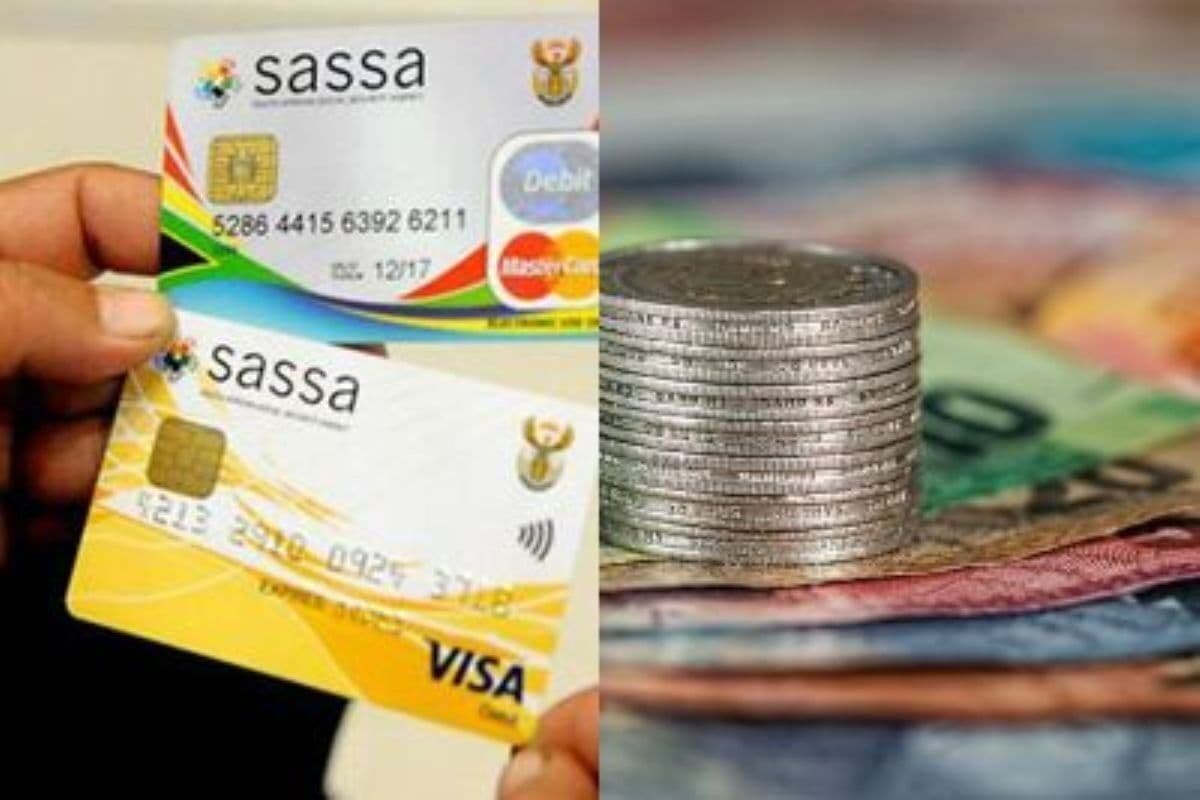
SASSA Warns: Some Beneficiaries Face Staggered Grant Payments in August 2026
The South African Social Security Agency (SASSA) has issued a warning indicating that not all beneficiaries will receive their August grant payments at the same time as others. This alert, released in mid-July, highlights potential payment disparities for an unspecified group of recipients next month, urging vigilance.
Discovery Alerts SA Motorists to Driving Habit Deemed More Dangerous Than Drunk Driving
South African insurer and wellness giant Discovery has issued a significant warning to motorists regarding a driving habit it identifies as more hazardous than driving under the influence. While the specific habit has not yet been disclosed, the severity of the comparison underscores an urgent call for increased road safety awareness among drivers.