Rhino Poachers Linked to Kruger National Park Found Guilty in South African Court
A guilty verdict has been handed down against rhino poachers connected to the Kruger National Park, according to trending search activity recorded in South Africa on 10 October 2026. The case has drawn significant online attention, reflecting continued public interest in the country's anti-poaching efforts. Specific details about the number of accused, the charges, and the sentencing outcome remain unclear at this stage.

A court in South Africa has found rhino poachers linked to the Kruger National Park guilty, a development that has sparked a surge in online searches across the country. Trending data captured on 10 October 2026 shows the topic generating more than 200 searches, signalling that South Africans are closely following the outcome of the case. The precise court, the names of the accused, and the full details of the charges have not been confirmed in the available information, and those specifics remain to be reported as more details emerge.
What is known is that the guilty verdict represents another milestone in South Africa's long and difficult battle against rhino poaching, a crisis that has placed the country's wildlife heritage under sustained pressure for well over a decade. The Kruger National Park, as the largest game reserve in South Africa and one of the most iconic conservation areas on the African continent, has historically been at the centre of the poaching epidemic, making prosecutions connected to it particularly significant in the eyes of conservation advocates and the general public.
Rhino horn remains a highly sought-after commodity in illegal wildlife trade networks, driven largely by demand in parts of Asia where it is falsely believed to have medicinal properties. Poaching syndicates have become increasingly sophisticated in their operations, using advanced equipment, corrupted networks, and even aerial surveillance in some documented cases. Prosecuting individuals found guilty of poaching in and around Kruger is therefore seen not merely as a matter of individual accountability, but as a deterrent aimed at disrupting these broader criminal networks.
South Africa's National Prosecuting Authority and conservation bodies such as SANParks — the organisation that administers the Kruger National Park — have over the years worked alongside law enforcement agencies to build stronger cases against poachers and the traffickers who fund them. Successful guilty verdicts are often cited as evidence that the legal system is beginning to impose meaningful consequences on those who threaten the country's wildlife. However, critics have long argued that without addressing demand at the international level and tackling corruption within supply chains, convictions alone are insufficient to stem the crisis.
The trending interest in this specific case suggests that South Africans continue to care deeply about the fate of their rhino population and the integrity of protected areas like Kruger. Public attention to court outcomes can itself play a role in accountability, keeping pressure on the justice system to pursue these cases vigorously and to hand down sentences that reflect the seriousness of wildlife crimes under South African law.
At this point, key facts that remain unclear include how many individuals were convicted, what specific charges were proven in court, and whether sentences have already been handed down or are still to be determined. It is also not yet confirmed whether the convicted individuals were field-level poachers, members of an organised trafficking syndicate, or both — a distinction that matters enormously in assessing the broader impact of the verdict on poaching operations in the region.
Readers and conservation watchers should look out for follow-up reporting that clarifies the sentencing outcome, as penalties in rhino poaching cases can range considerably depending on the charges and the discretion of the presiding judge. South African law does provide for substantial prison terms in serious wildlife crime cases, and high-profile convictions have in recent years resulted in sentences of more than a decade in some instances.
This verdict, whatever its ultimate details, arrives at a time when South Africa continues to grapple with the complex intersection of conservation, poverty, organised crime, and international trade. The Kruger National Park remains a symbol of what is at stake — not only for biodiversity, but for the communities that depend on wildlife tourism for their livelihoods. As more details about this specific case become available, they will add to the picture of whether South Africa's prosecutorial efforts are making a measurable dent in one of the country's most persistent environmental challenges.
Reporting record
How this story was produced
This article was AI-generated from the frozen trend evidence and passed deterministic quality and safety gates. No cross-provider evidence review or independent human verification is claimed for this record.
- Byline
- Newstrends AI Newsroom
- First published
- Last material update
- No later material update recorded
- Distinct source identifiers
- 1 retained source identifier
Frozen source links for this publication
No public source URL is present in this frozen publication record. This is not evidence that the story was independently verified; use the correction channel below if a claim needs review.
Chronology
Story timeline
A generated chronology for orientation; dates and details may require source verification.
Update
Search trend for 'Kruger National Park rhino poachers guilty' recorded in South Africa, generating 200+ searches, indicating a guilty verdict has been handed down.
Update
Sentencing details and full case information expected to emerge in subsequent court proceedings and media reporting.
Reader file
Frequently asked questions
01What happened with the Kruger National Park rhino poachers?
Rhino poachers linked to the Kruger National Park have been found guilty in a South African court, according to trending search data from 10 October 2026. Specific details about the number of accused and sentencing are still to be confirmed.
02Why is the Kruger National Park significant in rhino poaching cases?
Kruger National Park is South Africa's largest game reserve and has historically been a hotspot for rhino poaching activity, making prosecutions connected to it especially noteworthy for conservation efforts.
03What penalties do rhino poachers face in South Africa?
South African law provides for significant prison terms in wildlife crime cases. High-profile convictions have resulted in sentences of more than a decade in some instances, though penalties vary depending on the charges and the court's discretion.
04What details about this case are still unknown?
The number of individuals convicted, the exact charges proven, whether sentences have been handed down, and whether the accused were field poachers or syndicate members remain unclear at this stage.
Keep reading
Related coverage
More published reporting connected to this story.
Macassar Man Arrested in Western Cape After Being Found in Possession of Rhino Horns
A man from Macassar has been arrested following the discovery of rhino horns in his possession. The arrest highlights the ongoing efforts of South African law enforcement to combat wildlife trafficking in urban transit hubs.
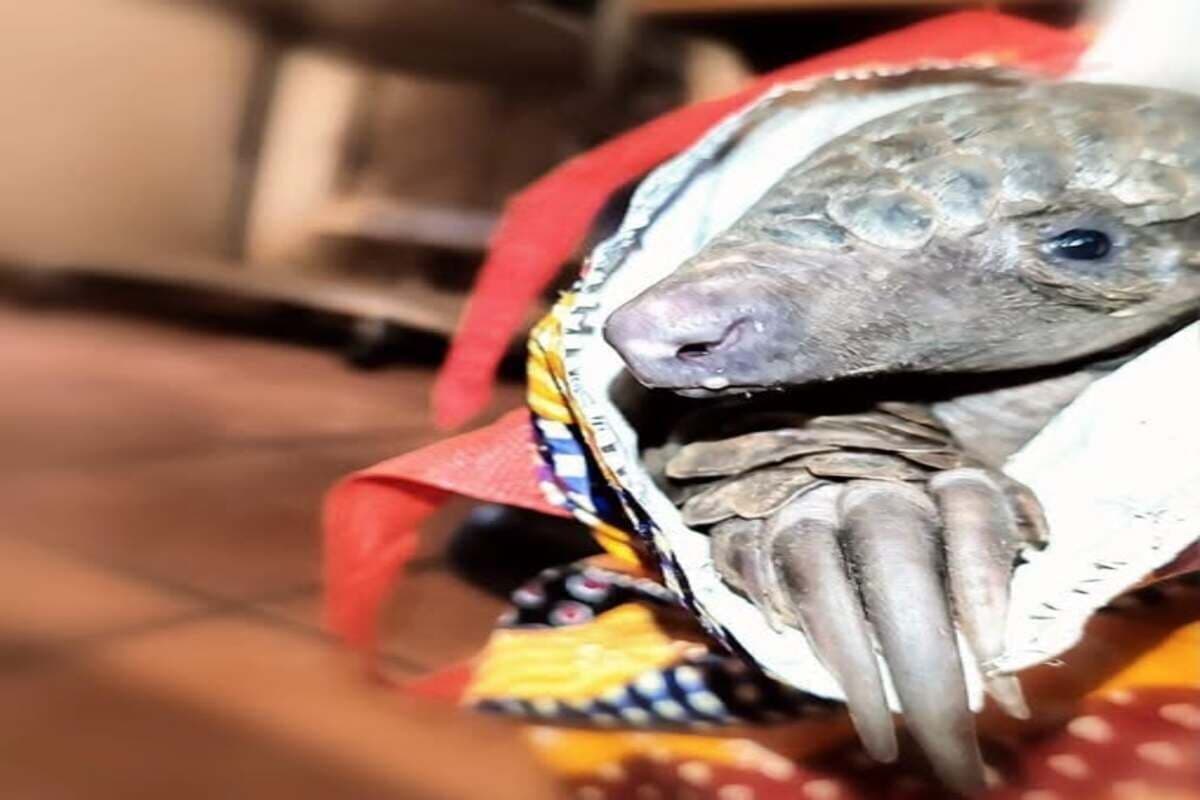
Botswana National Arrested After Crossing Into South Africa With Live Pangolin
A Botswana national has been apprehended by South African authorities after allegedly smuggling a live pangolin across the border. The suspect remains in custody as investigations continue into the illicit cross-border wildlife trade.
Free Entry to Selected SANParks Destinations Announced for September 7 to 13
South Africans can enjoy free access to selected national parks from September 7 to 13, 2026. The week-long initiative offers a prime opportunity for local travel, though specific participating destinations and terms are still to be fully detailed.
South Africa Marks World Elephant Day Amid Global Conservation Efforts
On 12 August 2026, South Africa joined global celebrations for World Elephant Day to highlight conservation efforts. While specific local events remain unconfirmed, the day underscores the country's vital role in protecting African elephants.