Botswana National Arrested After Crossing Into South Africa With Live Pangolin
A Botswana national has been apprehended by South African authorities after allegedly smuggling a live pangolin across the border. The suspect remains in custody as investigations continue into the illicit cross-border wildlife trade.
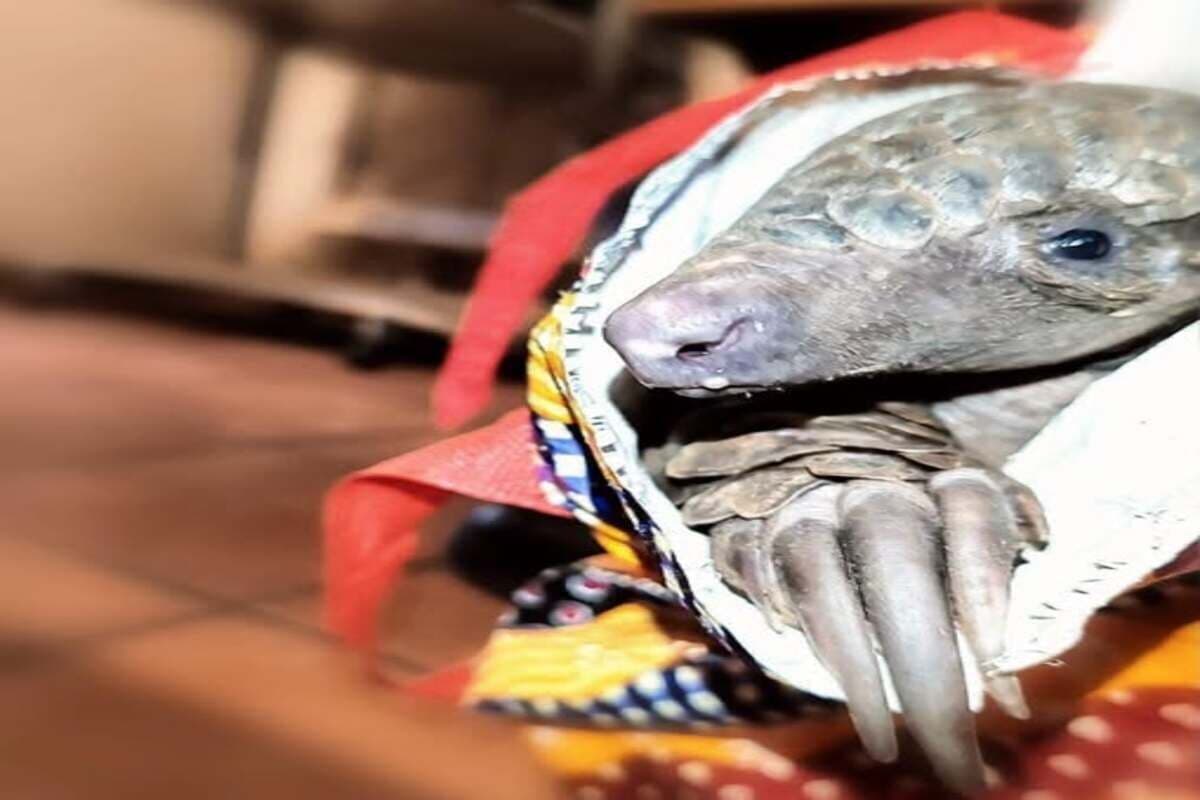
A Botswana national has been arrested after allegedly crossing the border into South Africa in possession of a live pangolin. The arrest, which was reported on Saturday, 29 August 2026, highlights the ongoing battle against illicit wildlife trafficking along the borders of South Africa. Authorities intercepted the suspect shortly after they crossed from neighbouring Botswana, marking another critical intervention in the protection of endangered species.
According to the initial reports, the suspect is a citizen of Botswana who succeeded in crossing into South African territory before being apprehended. The primary piece of evidence in the arrest is a single live pangolin, an animal widely recognised as one of the most heavily trafficked mammals in the world. The suspect remains in custody as South African law enforcement agencies initiate their preliminary investigations into the cross-border incident.
While the arrest has been confirmed, several key details surrounding the operation remain undisclosed. At this stage, official sources have not released the exact border post or point of entry where the crossing took place. Furthermore, the identity of the arrested Botswana national has not yet been made public, and it remains unclear whether they were operating alone or as part of a larger syndicate. The current physical condition of the rescued live pangolin and its exact destination within South Africa also remain to be verified by veterinary and conservation authorities.
The incident underscores the persistent threat faced by pangolins in Southern Africa. These insectivorous mammals are highly sought after by poachers and smugglers, primarily for their scales, which are used in traditional medicine, and for their meat. Because all eight species of pangolin are protected under international law, any trade or transport of these animals across international borders without strict permits is highly illegal. The fact that the animal was found alive is a significant outcome, as many trafficked pangolins do not survive the stressful conditions of transport.
In South Africa, the possession, transport, and trade of endangered species like the pangolin are governed by strict environmental legislation. Individuals found in possession of these animals face severe legal consequences, including substantial fines and lengthy prison sentences if convicted. The legal process for foreign nationals arrested under these circumstances typically involves cooperation between South African authorities and their counterparts in the country of origin, in this case, Botswana, to trace the source of the illicit trade.
This arrest also brings to light the ongoing challenges faced by border control and law enforcement agencies in monitoring the vast boundaries between South Africa and neighbouring nations. The border between South Africa and Botswana stretches over thousands of kilometres, presenting significant logistical hurdles for anti-poaching units and customs officials. Collaborative regional efforts are increasingly seen as essential to curbing the movement of illegal wildlife products across these frontiers.
As the investigation unfolds, the public and conservation groups will be watching closely for updates on the legal proceedings. Key developments to watch include the formal charging of the Botswana national in a South African court and any official statements from the South African Police Service (SAPS) or the Department of Forestry, Fisheries and the Environment. Additionally, updates on the health and eventual release of the rescued pangolin back into a secure wild habitat will be of paramount interest to wildlife advocates across the region.
Reporting record
How this story was produced
This article was AI-generated from the frozen trend evidence and passed deterministic quality and safety gates. No cross-provider evidence review or independent human verification is claimed for this record.
- Byline
- Newstrends AI Newsroom
- First published
- Last material update
- No later material update recorded
- Distinct source identifiers
- 1 retained source identifier
Frozen source links for this publication
Chronology
Story timeline
A generated chronology for orientation; dates and details may require source verification.
Update
Reports emerge confirming the arrest of a Botswana national in South Africa for possession of a live pangolin.
Reader file
Frequently asked questions
01Where did the arrest take place?
The arrest occurred after the suspect crossed the border from Botswana into South Africa, though the exact border post has not yet been disclosed by authorities.
02What is the status of the pangolin?
The pangolin was found alive, but details regarding its current physical condition and where it is being kept remain unconfirmed.
03What charges does the suspect face?
While specific charges have not been detailed, individuals caught smuggling protected wildlife in South Africa typically face prosecution under strict environmental and conservation laws.
Keep reading
Related coverage
More published reporting connected to this story.
Activists Demand Action Against Big Cat Ownership in South Africa Following Dramatic Rescue
Following a dramatic rescue reported by the Weekend Argus, animal welfare activists are demanding urgent action against the private ownership of big cats in South Africa. While specific details of the rescue remain unconfirmed, the incident has reignited the national debate over exotic pet regulations.

South Africans Urged to Create Heat Safety Plans for Pets Ahead of Hotter Summer
As South Africa prepares for the upcoming summer season, pet owners are being urged to develop dedicated heat safety plans for their animals. The early warning, issued in late August, highlights the importance of proactive measures to protect pets from extreme temperatures. Experts advise establishing cooling strategies before the peak summer heat arrives.

72 906 Foreign Nationals Repatriated From South Africa Since 7 June
South African authorities have repatriated 72,906 foreign nationals since 7 June 2026. The large-scale operations highlight the active role of the Border Management Agency in enforcing immigration laws.
Tongaat Businessman Horrified After Finding Suffocated Vervet Monkey in Box
A KwaZulu-Natal businessman has been left deeply disturbed after discovering a dead Vervet monkey that suffocated inside a box in Tongaat. The incident has sparked outrage and raised serious concerns over animal cruelty and human-wildlife conflict.
R600m Meth Lab Bust Sparks Fears of Mexican Cartel Infiltration in South Africa
A massive R600 million methamphetamine laboratory bust in South Africa has raised serious concerns over the potential involvement of Mexican drug cartels. The scale of the operation highlights the growing threat of transnational organized crime networks establishing manufacturing hubs within the country.