The Merafong City Local Municipality has come under intense scrutiny following serious allegations that it has recycled an outdated waste management plan dating back to 2011. This development, which surfaced in early August 2026, has sparked widespread concern among local residents and environmental advocates regarding the municipality's approach to essential service delivery and sustainable environmental planning.
According to reports first highlighted by South African media outlet The Citizen, the local authority stands accused of reusing a strategic waste framework that was drafted fifteen years ago. While the exact circumstances under which this dated plan was reintroduced remain partially unclear, the accusation itself has quickly gained traction, highlighting the persistent challenges of municipal governance and administrative accountability within the region.
Merafong City, which encompasses key mining towns and residential areas in the western part of Gauteng, is no stranger to service delivery debates. In South Africa, local government structures are legally required to routinely review and update their Integrated Waste Management Plans. These updates are necessary to ensure compliance with national environmental laws, adapt to local population shifts, and implement modern ecological standards. Relying on a plan from 2011 suggests a worrying gap in addressing contemporary municipal demands.
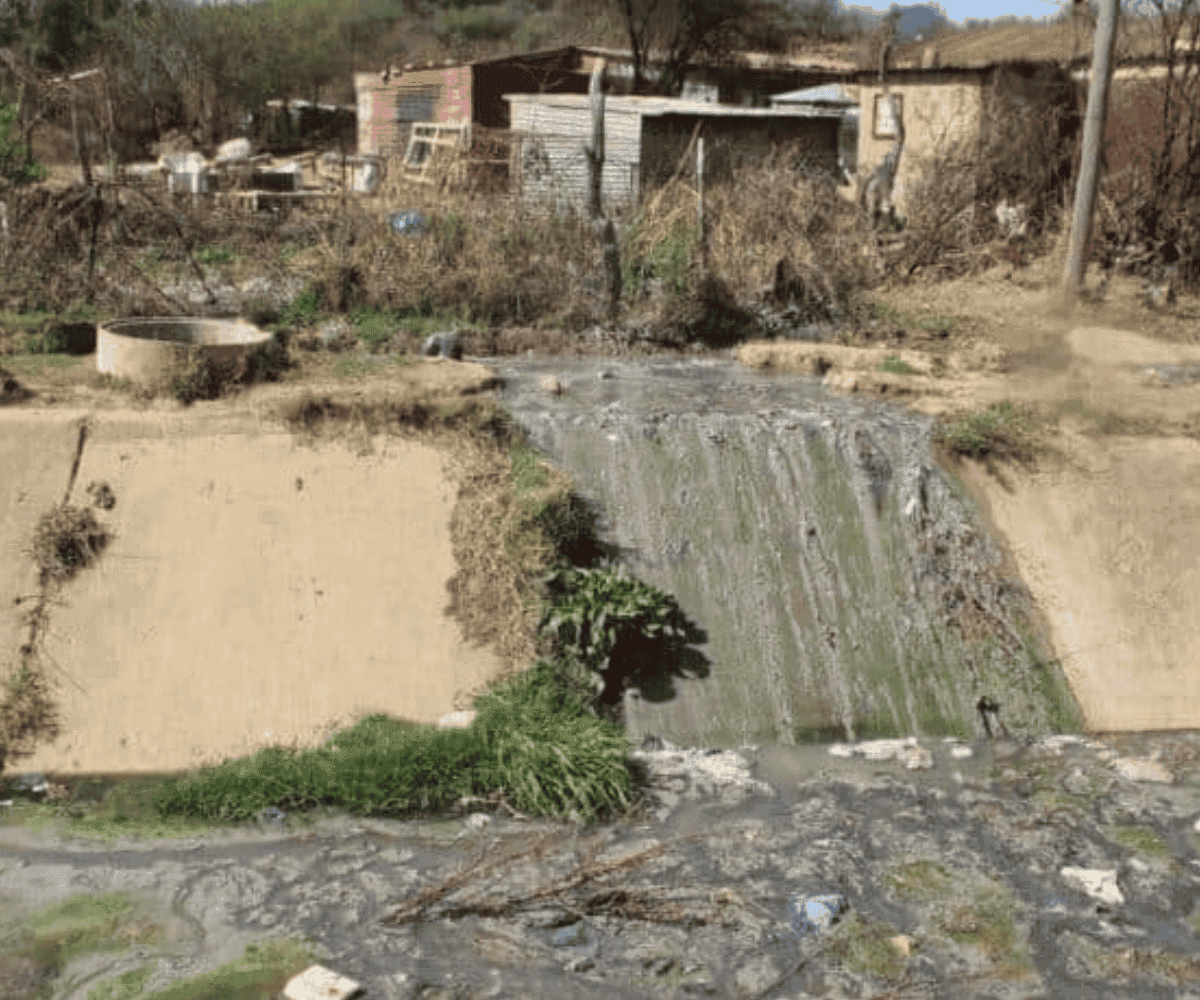
The significance of this accusation lies in the vital role that waste management plays in public health and municipal infrastructure. A waste plan designed in 2011 cannot adequately address the current realities of 2026, such as increased urbanisation, changes in local industry, and modern waste reduction and recycling mandates. When planning fails to keep pace with reality, communities often experience deteriorating services, including irregular refuse collection, the proliferation of illegal dumping sites, and poorly managed local landfills.
Currently, several critical aspects of this developing story remain unresolved. It is not yet clear which specific municipal officials or departments are responsible for putting forward the 2011 plan, nor has a detailed official response from the Merafong City Local Municipality been made public. It also remains to be seen whether the document was presented as a temporary measure or if it was intended to serve as the primary strategic guide for the municipality's current waste management operations.
This controversy in Merafong underscores a much larger, systemic issue faced by many local governments across South Africa. The recycling of outdated municipal policies is often indicative of deeper administrative constraints, such as severe budget deficits, a shortage of qualified urban planners, or general administrative paralysis. For residents, these bureaucratic shortcuts translate directly into a lower quality of life and a feeling of neglect by those elected to serve them.
As this situation unfolds, the immediate focus will turn to the response of both local and provincial authorities. Observers will be watching to see if Gauteng's provincial government or national environmental departments step in to demand accountability or conduct a formal review of Merafong's administrative processes. Local civil society organisations and community members are also likely to ramp up pressure on the municipality, demanding the immediate formulation of a transparent, modern, and legally compliant waste management strategy that reflects the actual needs of the community today.