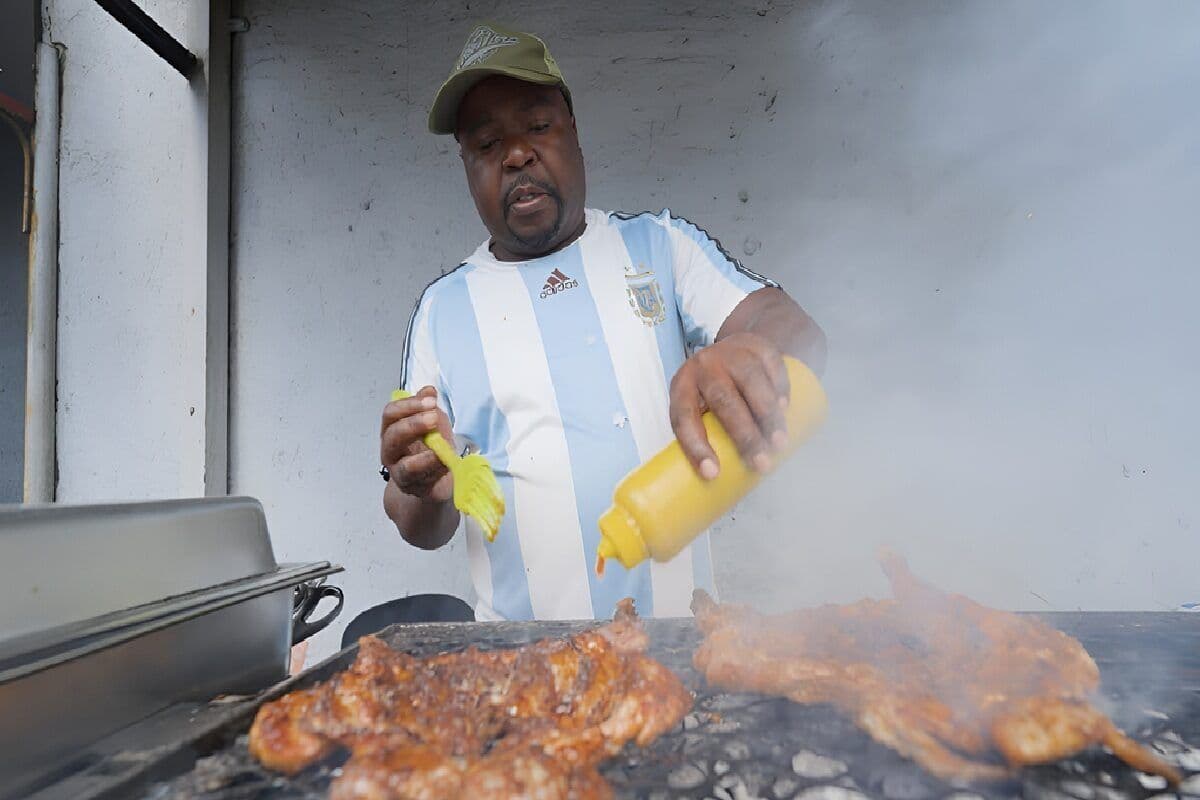
Johannesburg has officially secured a prestigious spot among the world’s top 10 street food cities, marking a significant milestone for South Africa’s culinary landscape. According to a report published by local outlet The South African on 6 August 2026, the country's largest metropolis has been globally recognized for its vibrant, diverse, and accessible street food culture. This ranking positions the City of Gold as a major contender on the international gastronomic stage, highlighting the unique flavours that define its bustling streets.
For residents and local food enthusiasts, the announcement serves as a validation of Johannesburg’s rich, multicultural food heritage. Often celebrated as the economic powerhouse of the African continent, the city is home to a melting pot of cultures, which is directly reflected in its informal dining scene. This global recognition elevates the status of local vendors, who have long been the backbone of the city's daily food economy, serving quick, affordable, and flavourful meals to millions of commuters and residents daily.
While the ranking itself has generated substantial excitement, several key details regarding the study remain undisclosed. At this stage, the specific organization behind the global index and the exact criteria used to evaluate the cities have not been fully detailed in the initial reports. It remains unclear how Johannesburg compares numerically to the other nine cities in the top 10, or which global destinations share the spotlight alongside the South African metropolis. Additionally, the precise methodology—whether based on tourist surveys, critic reviews, vendor density, or affordability metrics—is yet to be fully publicised.
Despite these outstanding questions, the recognition highlights the undeniable appeal of Johannesburg’s informal food sector. Street food in South Africa is deeply intertwined with the country's social fabric, offering everything from quick bites at busy taxi ranks to artisanal creations at trendy weekend markets. The sector not only provides essential sustenance to working-class citizens but also acts as an entry point for entrepreneurial chefs and vendors looking to establish themselves in a highly competitive market.
The economic implications of this global ranking could be substantial for Johannesburg's tourism and hospitality sectors. Culinary tourism has become a rapidly growing trend worldwide, with travellers increasingly planning their itineraries around local food experiences. Being named a top-10 global street food destination provides local tourism authorities with a powerful marketing tool to attract international visitors seeking authentic African flavours and cultural experiences.
Further, this accolade could prompt local municipalities and urban planners to pay closer attention to the informal food sector. Street vendors often face challenges regarding regulation, designated trading spaces, and access to basic infrastructure. Increased global attention may encourage local government bodies to implement supportive policies that protect vendors while ensuring high standards of hygiene and safety, ultimately enhancing the street food experience for both locals and tourists.
As the news continues to circulate, food lovers and industry stakeholders are advised to watch for the release of the complete global ranking list. Future updates are expected to shed light on the specific dishes that captured the attention of the judges, as well as the full line-up of international cities that made the cut. For now, Johannesburg can proudly celebrate its place on the global culinary map, cementing its reputation as a city that feeds both the hustle and the soul.