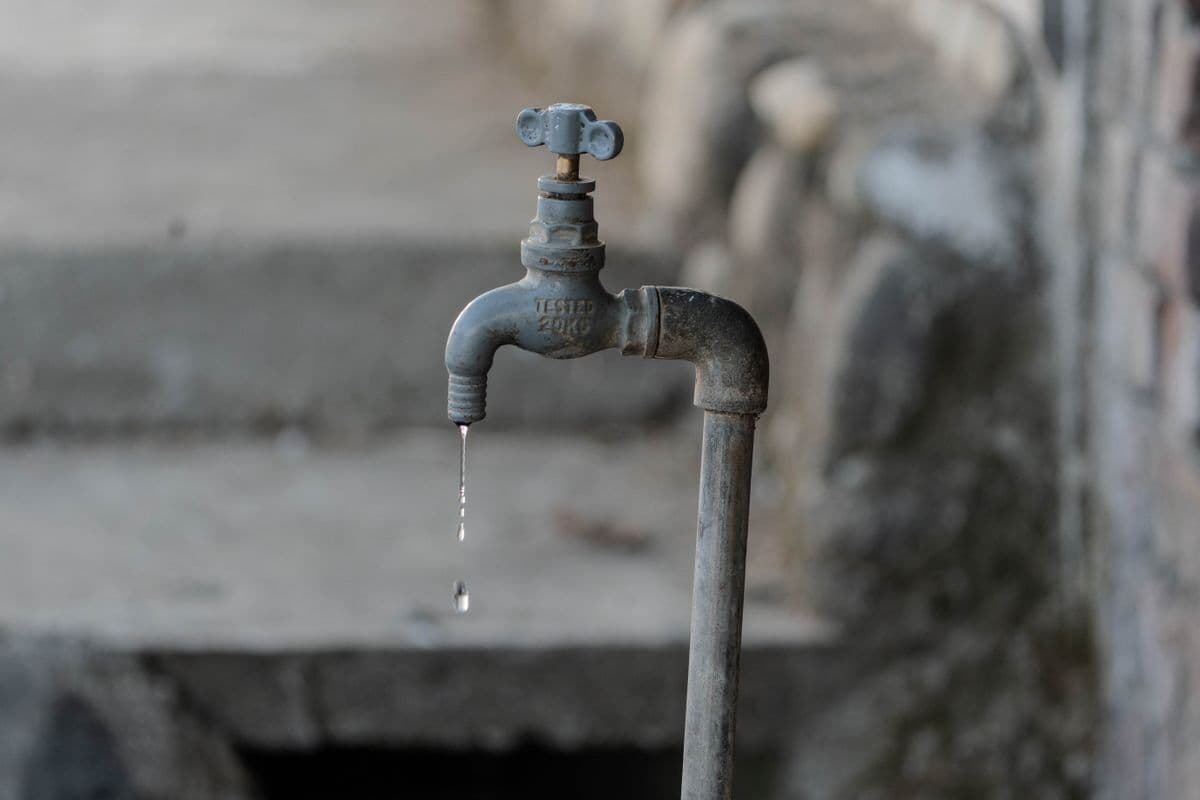
The City of Tshwane is set to implement a scheduled 14-hour water outage, according to reports emerging on Tuesday, 28 July 2026. This planned disruption will affect water supply services across designated parts of the metropolitan municipality. While municipal water cuts are a frequent necessity for infrastructure upkeep, a continuous 14-hour outage requires significant preparation from local residents, businesses, and public facilities operating within the capital city.
At this stage, the specific technical reasons behind the 14-hour shutdown have not been fully detailed in the initial reports. In South African metropolitan areas, such extensive outages are typically driven by urgent municipal maintenance, system upgrades, pipe replacements, or bulk water supply adjustments. However, the exact nature of the work being carried out by Tshwane’s water and sanitation department for this specific outage remains to be officially confirmed.
Crucially, the exact geographical areas, suburbs, and wards that will be impacted by the dry taps have not yet been explicitly outlined. Residents across Tshwane are advised to monitor official municipal communications closely to determine if their specific neighborhoods will be affected. The lack of immediate, detailed suburb lists is a common occurrence during the early stages of utility announcements, and municipal authorities generally release detailed street-by-street schedules closer to the implementation date.
The timing of the outage—spanning more than half a day—presents practical challenges for households. A 14-hour window without running water means that basic daily activities such as cooking, cleaning, and sanitation will require alternative planning. South African civic organizations regularly advise residents facing scheduled water cuts to store sufficient water in clean, covered containers ahead of time. A general rule of thumb is to store at least three to five litres of water per person per day for drinking and basic hygiene.
For local businesses, particularly those reliant on constant water supply such as restaurants, hair salons, and manufacturing operations, a 14-hour interruption can lead to operational downtime or financial losses. Business owners in Tshwane are encouraged to review their emergency water storage systems, such as JoJo tanks or header tanks, to ensure they are filled and functioning. Preparing contingency plans early can help mitigate the economic impact of the scheduled service pause.
Public institutions, including local clinics, schools, and government offices, must also prepare for the temporary disruption. While larger hospitals and essential care facilities usually have dedicated backup reservoirs, smaller community clinics may face operational constraints. It remains unclear whether the City of Tshwane will deploy mobile water tankers to affected areas during the 14-hour period to assist residents and critical facilities that do not have adequate storage capacity.
In terms of what to watch next, residents should look out for official statements from the City of Tshwane’s formal communication channels, including their verified social media accounts and the municipal website. Local ward councillors are also key figures in distributing localized information, and they are expected to share specific details regarding the exact start and end times of the outage as soon as they are finalized.
Once the maintenance work is completed, the restoration of water supply is not always instantaneous. Reservoirs and pipelines require time to refill and rebuild adequate pressure, meaning some high-lying areas might experience a delayed return of water. Residents are also reminded to keep their taps closed during the outage period to prevent accidental flooding or water wastage when the supply is eventually restored.
While scheduled water outages are highly disruptive, they are a vital component of municipal asset management. Regular maintenance helps prevent catastrophic pipe bursts and long-term infrastructure decay, which can lead to even longer unscheduled outages. As Tshwane prepares for this 14-hour service interruption, timely and transparent updates from the city management will be essential to help residents navigate the temporary inconvenience.