‘My Mum’s Diapers Alone Cost R1890’: Daughter’s Outcry Sparks Intense Debate Over SASSA Old Age Grant Adequacy
A South African daughter has publicly criticized the SASSA Old Age grant, revealing that her elderly mother's adult diapers cost R1,890 alone. The outcry has highlighted the growing gap between state social assistance and the real-world cost of essential elder care.
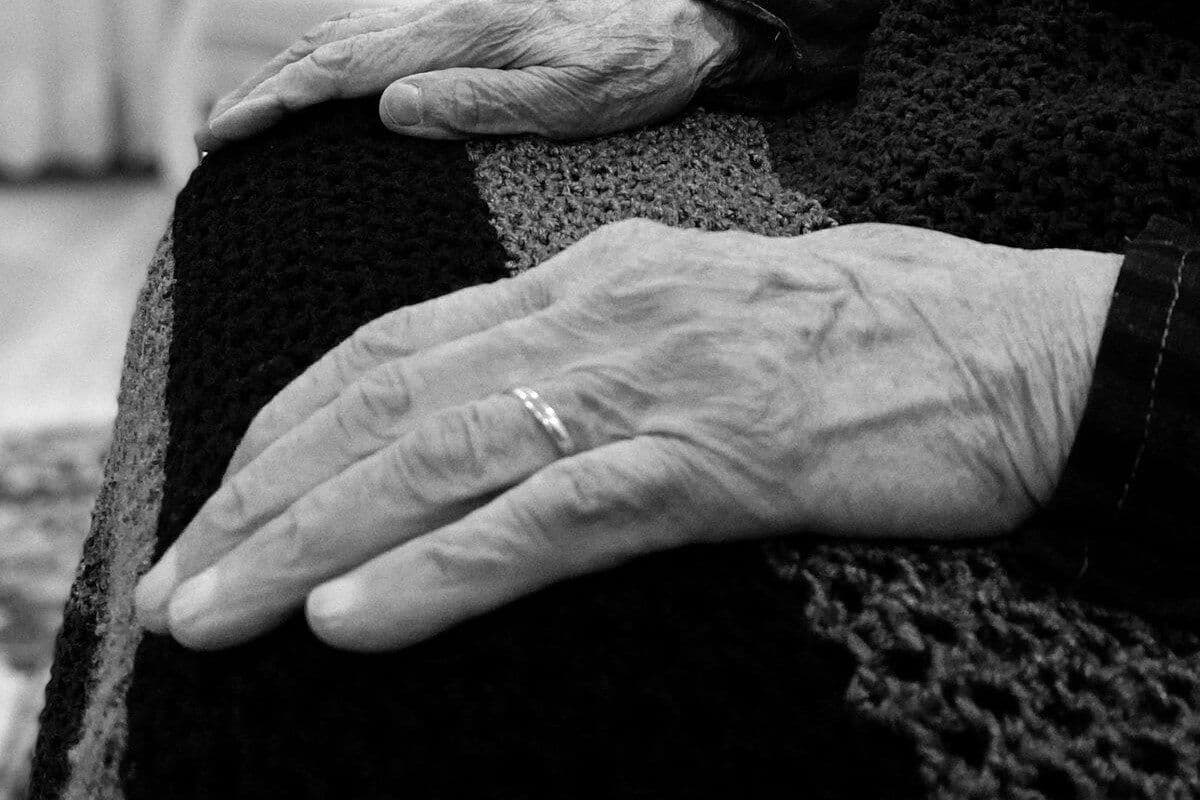
A South African daughter has sparked intense public debate after speaking out against the South African Social Security Agency (SASSA) Old Age grant. Her criticism highlights the severe financial strain experienced by families caring for elderly relatives, particularly when dealing with the high costs of specialized hygiene and medical products. The daughter revealed that her mother's adult diapers alone cost R1,890, a figure that has shocked many citizens and drawn attention to the economic challenges faced by pensioners.
The public outcry, which came to light on 20 July 2026, has resonated with many South Africans who find themselves in similar caregiving positions. With a single, essential hygiene item costing R1,890, the daughter's statement underscores the massive gap between the financial support provided by the state and the actual cost of basic dignity for the elderly. This situation has brought the adequacy of the SASSA Old Age grant under intense scrutiny.
The SASSA Old Age grant is a critical lifeline for millions of elderly South Africans who rely on it as their primary, and often sole, source of income. However, as this case vividly illustrates, the rising cost of living and the price of essential medical supplies frequently outstrip the financial assistance provided. While the exact monetary value of the grant at the time of the complaint is not detailed in the initial report, the R1,890 price tag for diapers alone represents a staggering portion of any household budget.
For many low- to middle-income families, spending nearly R1,900 on one care product is financially unsustainable. The Old Age grant is intended to assist elderly citizens with their overall basic needs, including food, electricity, medication, and shelter. When a single necessity like diapers consumes such a significant sum, families are forced to make difficult compromises, often sacrificing other vital needs to ensure their relatives receive proper care.
At this stage, several details surrounding the daughter's specific situation remain unconfirmed. It is currently unclear which brand or quantity of diapers is being purchased, or whether the mother has specific medical conditions that require specialized, higher-priced products. Additionally, the identity of the daughter and her mother, as well as their geographic location within South Africa, have not been publicly disclosed in the initial reports.
It also remains unknown whether the family has attempted to access state-subsidised medical supplies through public clinics or provincial health departments. In South Africa, public healthcare facilities sometimes distribute basic hygiene and medical products to registered patients, though availability and consistency are frequent pain points for citizens. Whether such options were explored or available in this case is yet to be clarified.
The complaint has triggered a broader discussion on social media and within communities regarding the economic pressures on the "sandwich generation"—adults who are simultaneously supporting their own children and caring for aging parents. With high unemployment rates and inflation squeezing household budgets across the country, the financial burden of elder care is becoming increasingly difficult for ordinary South Africans to bear without more robust state support.
As public interest in the story grows, observers and social advocates are watching to see if SASSA or the Department of Social Development will address these concerns. There are ongoing calls from various civil society organizations for social grants to be adjusted to better reflect the real-world inflation of medical and hygiene goods. Whether this outcry will prompt a formal review of the grant structures or lead to targeted support programs for elderly care remains a key point of interest for the public.
Reporting record
How this story was produced
This article was AI-generated from the frozen trend evidence and passed deterministic quality and safety gates. No cross-provider evidence review or independent human verification is claimed for this record.
- Byline
- Newstrends AI Newsroom
- First published
- Last material update
- No later material update recorded
- Distinct source identifiers
- 1 retained source identifier
Frozen source links for this publication
Chronology
Story timeline
A generated chronology for orientation; dates and details may require source verification.
Update
A daughter's complaint about the R1,890 cost of her mother's diapers goes public, sparking widespread criticism of the SASSA Old Age grant.
Reader file
Frequently asked questions
01What triggered the public outcry against the SASSA Old Age grant?
A daughter publicly slammed the grant after sharing that her elderly mother's adult diapers alone cost R1,890, highlighting the financial strain of elder care.
02How much does the SASSA Old Age grant cover for medical supplies?
The exact allocation for medical supplies within the grant is not specified, but critics argue the overall grant amount fails to cover high-cost essential items like diapers.
03Has SASSA responded to the daughter's complaint?
As of the latest reports, there has been no official response from the South African Social Security Agency (SASSA) regarding this specific complaint.
Keep reading
Related coverage
More published reporting connected to this story.

'We Worked So Hard': South African Pensioners Say SASSA Grants Fail to Reflect a Lifetime of Labour
Elderly South Africans are calling for a reassessment of state support, arguing that current SASSA pension grants do not reflect their decades of hard work. The growing outcry highlights the economic pressures facing pensioners as they struggle to maintain a dignified retirement.
SASSA Push Back Grant Payments for Flagged Beneficiaries to August
South African social grant beneficiaries flagged for review face payment delays, with disbursements pushed back to August. While the delay is confirmed, the exact payment dates and specific causes remain unverified.

SASSA Warns: Some Beneficiaries Face Staggered Grant Payments in August 2026
The South African Social Security Agency (SASSA) has issued a warning indicating that not all beneficiaries will receive their August grant payments at the same time as others. This alert, released in mid-July, highlights potential payment disparities for an unspecified group of recipients next month, urging vigilance.
SASSA Sacks Four Officials Amid R33 Million Social Grants Fraud Probe
The South African Social Security Agency (SASSA) has dismissed four officials following their alleged involvement in a R33 million social grants fraud scheme. The dismissals come as the agency continues its efforts to combat corruption and protect vital social welfare funds. This move underscores SASSA's commitment to accountability within its ranks.
SASSA Pensioners Demand Monthly Grants Match the National Minimum Wage
South African pensioners are calling for a major increase in SASSA old-age grants to match the national minimum wage. The demand for a R4,000 monthly payout highlights the growing financial strain on elderly citizens amidst rising living costs.