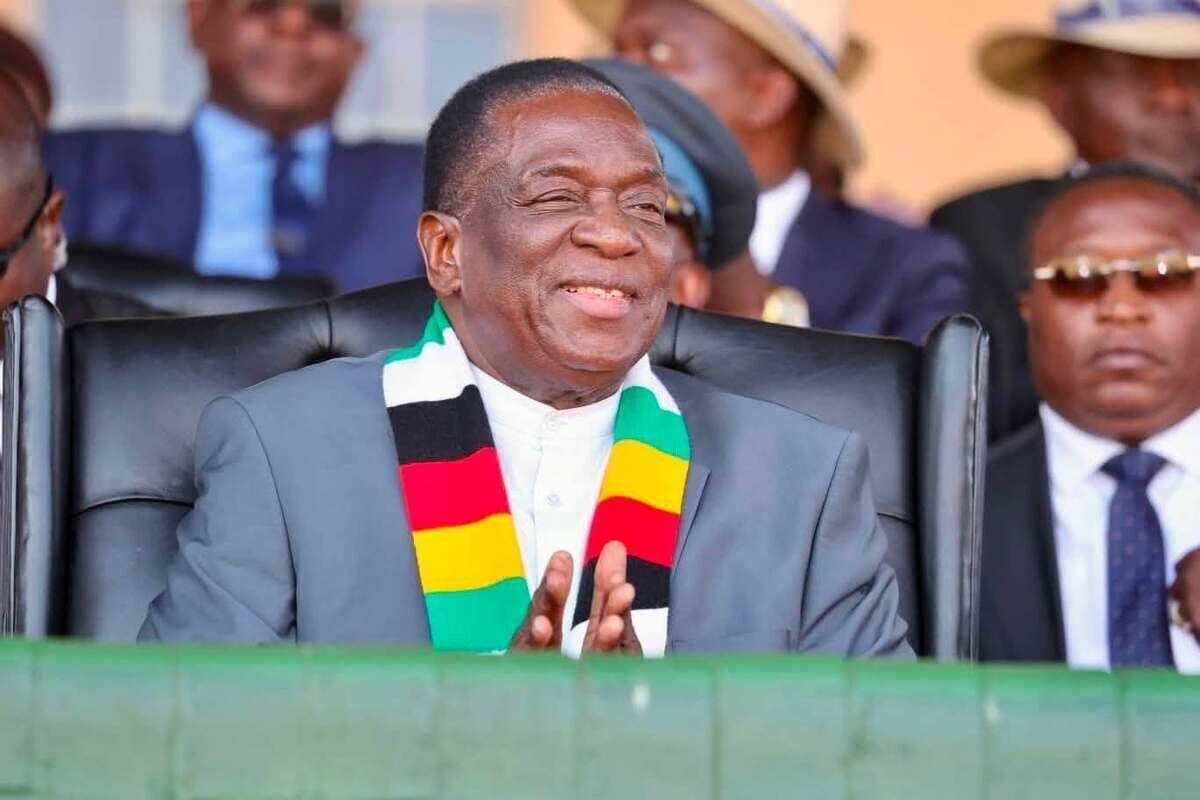
In a development that has rapidly gained traction across Southern Africa, Zimbabwean President Emmerson Mnangagwa has reportedly declared his birthday a national holiday. The news, which was published by South African media outlet The South African on 11 September 2026, has quickly become a major talking point online. For South African readers, political and administrative shifts in neighbouring Zimbabwe are always of high interest, given the close economic, social, and diplomatic ties shared between the two nations. This latest announcement has sparked widespread discussion regarding its underlying motivations and what it means for the country's future.
The geographical and cultural proximity of South Africa and Zimbabwe means that domestic policies in Harare frequently reverberate across the Limpopo River. South Africa is home to a significant Zimbabwean diaspora, many of whom maintain close personal, financial, and professional links with their home country. Consequently, any alteration to the national calendar, such as the introduction of a new public holiday, is of direct relevance to cross-border families, businesses, and transport networks that operate between the two neighbouring countries.
According to the initial reports captured on 11 September 2026, the decision to elevate President Mnangagwa’s birthday to the status of a national holiday represents a highly symbolic gesture. While the move has quickly gone viral under the category of trending news in the region, the official government gazette and the precise legislative mechanisms used to enact this holiday remain key areas of interest. Observers are keen to understand how this new public holiday will be integrated into the existing national calendar and what official designation it will carry.
At this stage, the specific details surrounding the practical rollout of the holiday remain limited. The available reports confirm the core decision made by President Mnangagwa but leave several operational questions unanswered. For instance, it remains unclear whether this holiday will be observed as a fully paid day off for all public and private sector workers, or if certain essential services will continue to operate. Furthermore, the exact date of the holiday and whether it will be accompanied by official state-sponsored celebrations have not been fully detailed in the initial public announcements.
The introduction of a new national holiday in Zimbabwe also carries practical implications for regional trade, particularly for South African businesses. South Africa is Zimbabwe's largest trading partner, with substantial volumes of goods moving through the Beitbridge border post daily. A national holiday typically leads to the closure of government offices, banks, and retail businesses. How this holiday will affect customs clearance, transport logistics, and cross-border commercial activities is a critical question for logistics companies and traders operating within the Southern African Development Community (SADC) region.
The political significance of a sitting president declaring their own birthday a national holiday cannot be understated. In any democratic context, such decisions are met with a mixture of support from political allies and scrutiny from civil society and political commentators. In South Africa, where public discourse on governance is highly active, analysts are closely monitoring how Zimbabwean citizens, opposition parties, and civic organizations react to this development. Whether this move is viewed as a unifying national event or a point of political debate remains to be seen as more details emerge.
Moving forward, the public will be watching for official statements from the Zimbabwean government to clarify the exact date, name, and scope of the new holiday. Economists will also be analyzing the potential financial impact of an additional non-working day on Zimbabwe's ongoing economic recovery efforts. For South Africans and the regional diaspora, the focus will remain on how this decision influences bilateral relations, border operations, and the broader political landscape in Zimbabwe as the story continues to develop.