Zimbabwe Ferry Disaster: Confirmed Death Toll Rises to 80
The death toll from a devastating ferry capsizing in Zimbabwe has officially risen to 80. As recovery operations continue, the tragedy has sparked widespread regional concern and highlighted ongoing questions regarding inland water safety.

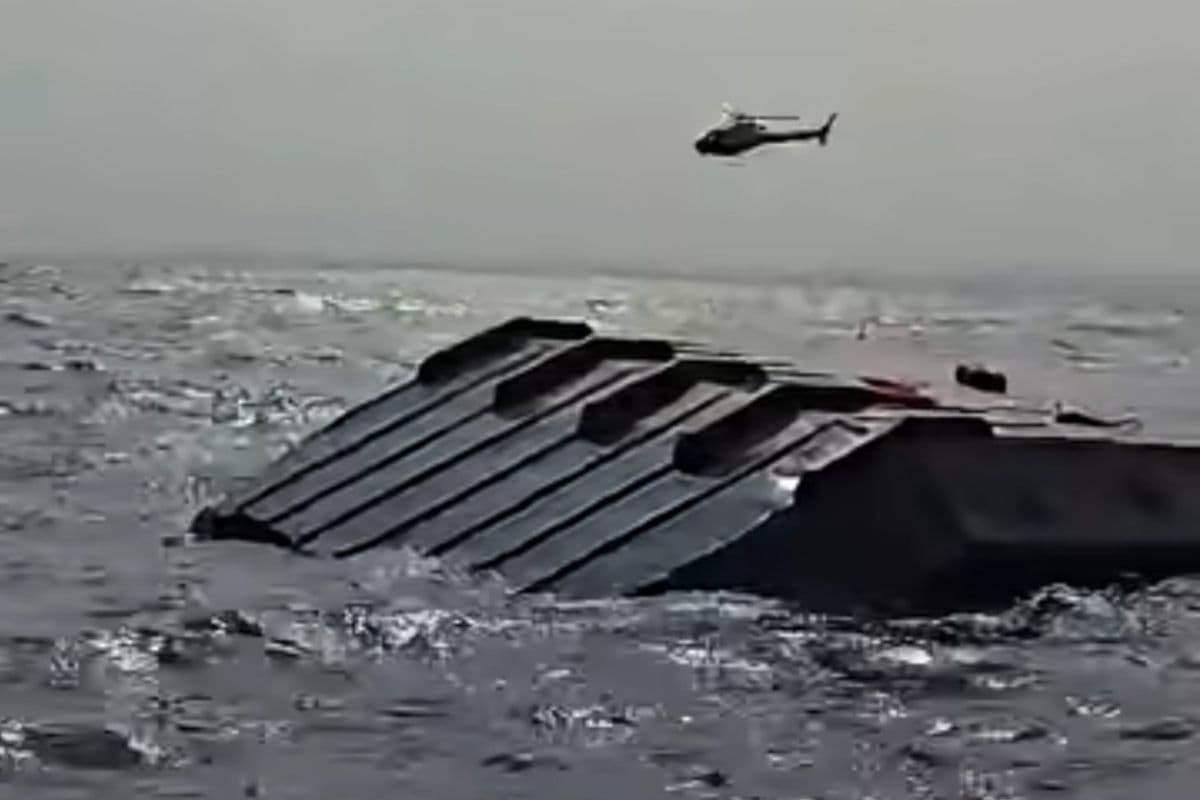
The death toll from a tragic ferry capsizing incident in neighbouring Zimbabwe has risen to 80, marking a devastating development in a disaster that has sent shockwaves across the Southern African region. According to reports monitored on Sunday, 16 August 2026, the casualty figure was updated as recovery operations continued to retrieve victims from the water. The scale of the loss has drawn immediate attention from regional neighbours, including South Africa, where many families maintain close cross-border ties with Zimbabwe.
At this stage of the unfolding tragedy, many key details surrounding the incident remain unconfirmed. Initial reports from regional news sources, including "The South African", have focused on the rapidly rising death toll but have yet to provide verified specifics regarding the exact location of the capsizing, the name of the river or lake involved, or the total number of passengers who were on board the vessel when it went down. This lack of immediate detail is common in the early phases of large-scale disasters, where local communication infrastructure and emergency response coordination can limit the flow of verified information.
For South African readers, the disaster hits close to home. The deep historical, economic, and familial links between South Africa and Zimbabwe mean that tragedies of this magnitude often have a direct impact on communities south of the Limpopo River. Many Zimbabweans residing in South Africa rely on these waterways for local travel and trade when visiting home, making the safety of Zimbabwe's water transport infrastructure a matter of shared regional concern.
Historically, water transport disasters of this nature in Southern Africa are frequently linked to challenges such as vessel overloading, lack of adequate safety gear like life jackets, and sudden adverse weather conditions. However, without official investigative findings from Zimbabwean authorities, it remains unclear whether these factors played a role in this specific capsizing. Observers are currently waiting for official statements from Zimbabwe's Ministry of Transport, local police, and emergency services to clarify the sequence of events that led to the disaster.
The recovery of 80 bodies indicates a massive search and rescue operation, which is likely being conducted under challenging conditions. In many parts of the region, inland water rescue operations are constrained by a shortage of specialised equipment and personnel, often requiring the assistance of local communities and volunteers to aid official recovery teams. The rising death toll suggests that hope of finding survivors has faded, and the focus has firmly shifted to recovering the deceased and identifying the victims.
This tragedy highlights ongoing concerns regarding the regulation and oversight of inland water transport within the Southern African Development Community (SADC). While road and rail safety often dominate public safety discussions, maritime and inland waterway safety regulations are equally critical, particularly for rural and border communities that rely on ferries as a primary mode of transport. The outcome of the investigation into this capsizing will likely lead to renewed calls for stricter enforcement of passenger limits and vessel maintenance standards across the region.
As the situation develops, the public and regional authorities will be watching closely to see if the death toll rises further as search efforts conclude. Key questions remain regarding the manifest of the ferry, which will determine how many people are still unaccounted for. South African emergency and humanitarian organisations often monitor these situations closely to determine if cross-border assistance or disaster relief support is required.
In the coming days, the focus will transition from emergency response to mourning and accountability. The loss of 80 lives is a profound tragedy for Zimbabwe, and the thoughts of the regional community remain with the affected families as they await further updates and official explanations from the authorities tasked with investigating this disaster.
Reporting record
How this story was produced
This article was AI-generated from the frozen trend evidence and passed deterministic quality and safety gates. No cross-provider evidence review or independent human verification is claimed for this record.
- Byline
- Newstrends AI Newsroom
- First published
- Last material update
- No later material update recorded
- Distinct source identifiers
- 1 retained source identifier
Frozen source links for this publication
Chronology
Story timeline
A generated chronology for orientation; dates and details may require source verification.
Update
Regional reports confirm that the death toll from the Zimbabwe ferry capsizing has risen to 80 as search and recovery efforts proceed.
Reader file
Frequently asked questions
01What is the current death toll of the Zimbabwe ferry capsizing?
As of 16 August 2026, the confirmed death toll has officially risen to 80 as recovery operations continue.
02Where did the ferry capsizing occur in Zimbabwe?
The exact location and the specific body of water where the capsizing occurred have not yet been confirmed in the initial regional reports.
03What caused the ferry to capsize?
The official cause of the capsizing remains unclear, and regional observers are awaiting formal statements from Zimbabwean transport and emergency authorities.
Keep reading
Related coverage
More published reporting connected to this story.
Zimbabwe Ferry Tragedy: Confirmed Death Toll Rises Sharply to 68
The death toll from a devastating ferry disaster in Zimbabwe has jumped to 68, sparking grief across Southern Africa. With many details still unconfirmed, authorities are continuing recovery efforts on the ground.
Zimbabwe Ferry Tragedy: Confirmed Death Toll Jumps to 68
The death toll in a major ferry disaster in Zimbabwe has risen to 68. Critical details regarding the cause of the incident and the exact location remain unconfirmed as regional authorities respond.

BMA Clears South Africa of Blame for Beitbridge Truck Delays, Pointing to Zimbabwe
The South African Border Management Authority (BMA) has cleared local operations of blame for the ongoing truck delays at the Beitbridge border post. Investigations have pinpointed the source of the bottlenecks to the Zimbabwean side of the crossing.

The 129-Year-Old South African Icon Rebuilt Twice Captures Public Attention
A historic 129-year-old South African landmark has sparked widespread curiosity after reports revealed it was completely dismantled and rebuilt twice. The remarkable story of survival highlights the extreme measures taken to preserve the country's physical heritage.

Pensioners Have Days Left to Secure Crucial Municipal Rates Discount
South African pensioners are facing an urgent deadline to apply for municipal rates discounts. With only days remaining, senior citizens are urged to verify requirements with their local councils to secure vital financial relief.