Zimbabwe Ferry Tragedy: Confirmed Death Toll Rises Sharply to 68
The death toll from a devastating ferry disaster in Zimbabwe has jumped to 68, sparking grief across Southern Africa. With many details still unconfirmed, authorities are continuing recovery efforts on the ground.
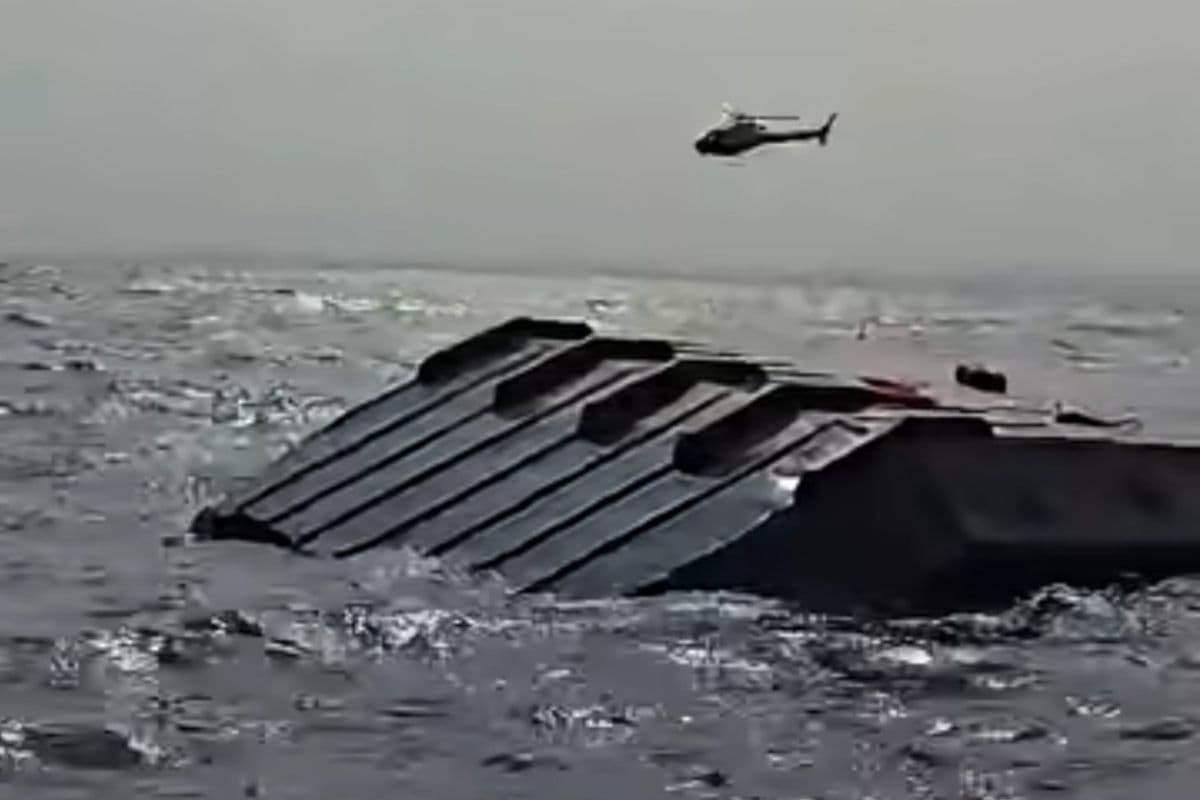
In a developing regional tragedy, the death toll from a devastating ferry disaster in Zimbabwe has officially risen to 68. The updated casualty figure, which represents a significant jump from earlier estimates, was confirmed on Saturday, 15 August 2026. As news of the incident spreads across Southern Africa, communities on both sides of the Limpopo River are mourning the loss of life, highlighting the deep socio-economic and familial connections between South Africa and its northern neighbour.
The sudden increase in the number of confirmed fatalities has sent shockwaves through the region. At this stage, information remains highly constrained, with official channels releasing only the updated death toll of 68. The lack of immediate, granular detail is common in the initial hours of large-scale maritime accidents, where search, rescue, and recovery operations are often conducted in remote or difficult-to-access waterways. For South African readers, the tragedy hits close to home, as many families have cross-border ties and frequently travel between the two nations.
While the death toll of 68 has been verified, several critical details surrounding the disaster remain unconfirmed. Official reports have not yet specified the exact body of water where the ferry capsized or sank. Zimbabwe is home to several major water bodies, including Lake Kariba, the Zambezi River, and various internal dams, but authorities have not yet publicly identified the precise location of this specific incident. Furthermore, the total passenger manifest remains unknown, leaving it unclear how many people were aboard the vessel when the disaster occurred.
In addition to the location, the exact cause of the ferry tragedy has not been established. In regional water transport, common factors in such accidents often include vessel overloading, structural or mechanical failure, or sudden adverse weather conditions. However, without official investigators releasing their preliminary findings, it is impossible to determine what led to this specific catastrophic event. It also remains unclear how many individuals, if any, have been rescued or remain missing as search operations continue.
The identities and nationalities of the 68 victims have also not been formally disclosed. Given the high volume of regional travel and trade in Southern Africa, there is ongoing concern regarding whether any foreign nationals, including South Africans, were among those on board. Consular officials and regional authorities are expected to work closely in the coming days to identify the deceased and notify their next of kin, a process that is often slow and complex in the aftermath of major transit accidents.
This tragedy underscores the broader, ongoing challenges of water safety and transport regulation across the Southern African Development Community (SADC) region. Maritime safety advocates frequently point to the need for stricter enforcement of passenger limits, mandatory life jacket usage, and regular vessel maintenance checks to prevent such loss of life. As Zimbabwe grapples with this immense loss, the disaster is likely to renew debates over transport safety standards and the capacity of emergency services to respond to inland water emergencies.
As the situation unfolds, observers and families of potential victims are advised to watch for official statements from the Zimbabwean Ministry of Transport, local police, and emergency management agencies. These bodies are expected to provide updates on the recovery efforts, the official passenger manifest, and the launch of a formal investigation into the cause of the capsizing. South Africa's Department of International Relations and Cooperation (DIRCO) may also provide updates if any South African citizens are confirmed to be among the casualties.
For now, the focus remains on the grim reality of the 68 confirmed deaths. Until further verified details emerge from the scene of the disaster, the full scale of the tragedy and the events that led to it will remain painful unknowns for a grieving region.
Reporting record
How this story was produced
This article was AI-generated from the frozen trend evidence and passed deterministic quality and safety gates. No cross-provider evidence review or independent human verification is claimed for this record.
- Byline
- Newstrends AI Newsroom
- First published
- Last material update
- No later material update recorded
- Distinct source identifiers
- 1 retained source identifier
Frozen source links for this publication
Chronology
Story timeline
A generated chronology for orientation; dates and details may require source verification.
Update
Reports emerge confirming that the death toll in the Zimbabwe ferry tragedy has risen to 68.
Reader file
Frequently asked questions
01What is the current death toll in the Zimbabwe ferry tragedy?
As of the latest reports on 15 August 2026, the confirmed death toll has risen to 68.
02Where did the ferry disaster take place?
The exact location and body of water where the ferry sank in Zimbabwe have not yet been officially confirmed.
03Are there any South African casualties?
The identities and nationalities of the 68 victims have not yet been released, so it is currently unclear if any South Africans are among the deceased.
Keep reading
Related coverage
More published reporting connected to this story.
Zimbabwe Ferry Tragedy: Confirmed Death Toll Jumps to 68
The death toll in a major ferry disaster in Zimbabwe has risen to 68. Critical details regarding the cause of the incident and the exact location remain unconfirmed as regional authorities respond.
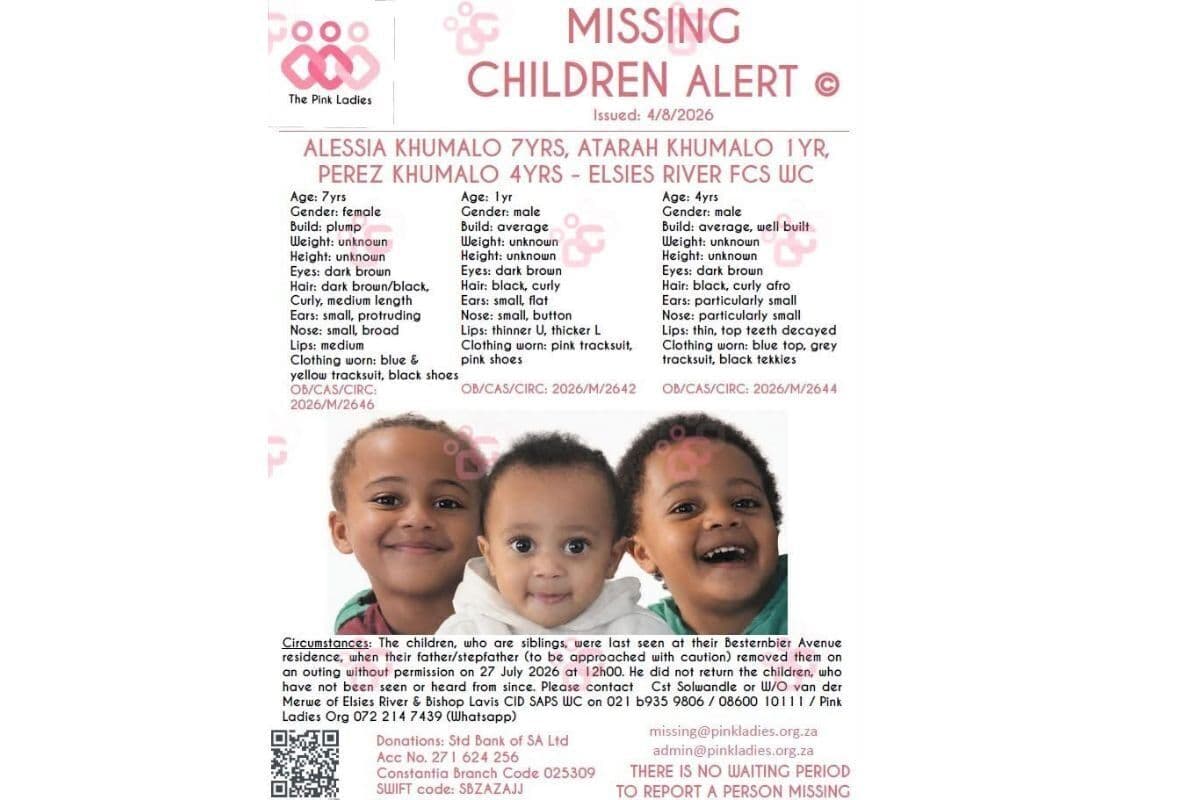
Cape Town Community on High Alert After Three Siblings Go Missing Following Trip with Father
Three siblings from Cape Town have been reported missing after a trip with their father, according to breaking local news reports. As details remain limited, community members and authorities are urged to remain vigilant while awaiting official updates.

Music Festival Abruptly Cut Short in South Africa Following Two Tragic Deaths
A music festival has been shut down prematurely following the tragic deaths of two individuals, according to reports on 2 August 2026. While key details regarding the venue and cause of death remain unconfirmed, the incident has raised urgent questions about public event safety.

BMA Clears South Africa of Blame for Beitbridge Truck Delays, Pointing to Zimbabwe
The South African Border Management Authority (BMA) has cleared local operations of blame for the ongoing truck delays at the Beitbridge border post. Investigations have pinpointed the source of the bottlenecks to the Zimbabwean side of the crossing.

Weather Alert: Morning Fog and Fresh Coastal Winds to Affect Parts of South Africa
Parts of South Africa are expected to experience morning fog and fresh coastal winds, impacting driving visibility and marine conditions. Residents and commuters are advised to exercise caution as localized details unfold.