Metres from disaster? Airlink flyover at Cape Town Stadium sparks intense safety debate
A low-altitude flyover by an Airlink aircraft at Cape Town Stadium has sparked a major safety debate in South Africa. While some viewed the display as a spectacular exhibition, others have raised concerns over how close the plane came to the stadium structure.
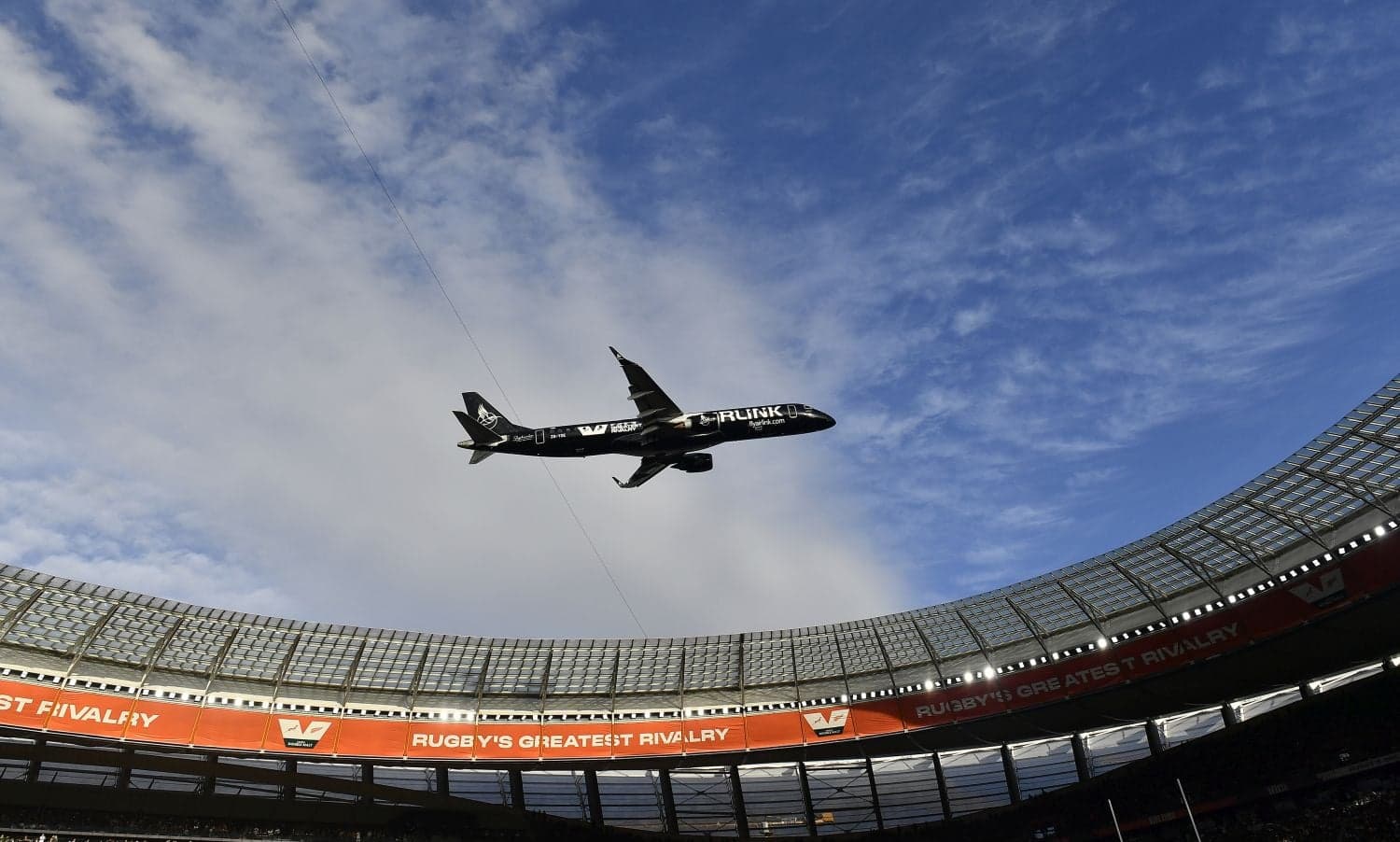
A dramatic flyover by an Airlink aircraft at the Cape Town Stadium has ignited a fierce public safety debate across South Africa, with onlookers and aviation enthusiasts questioning whether the flight path was dangerously close to the iconic sports venue. The incident, which quickly became a focal point of national discussion on 31 August 2026, has raised urgent questions about the regulations governing low-altitude aerial displays over densely populated municipal areas.
The controversy gained momentum following reports by local media outlet The Citizen, which highlighted concerns over whether the aircraft was just "metres from disaster" during its pass over the stadium. An image associated with the reports depicts an Airlink-branded aircraft executing a low-altitude flyover directly above the Cape Town Stadium in Green Point, a sight that has left many South Africans divided over the safety of the manoeuvre.
While spectacular aerial displays are a familiar tradition at major South African sporting and cultural events, this particular flyover has triggered an intense debate regarding acceptable safety margins. Critics argue that performing low-altitude passes over large stadium structures poses unnecessary risks to both the spectators inside the venue and residents in the surrounding urban areas of Cape Town. Conversely, supporters of such displays view them as highly coordinated, professional exhibitions executed by experienced flight crews.
At this stage, several critical details surrounding the flight remain unconfirmed. It is currently unclear what the exact altitude of the Airlink aircraft was during the flyover, or whether the flight path deviated in any way from its pre-approved flight plan. Furthermore, the specific event or occasion that prompted the flyover has not been officially detailed in the initial reports, leaving observers to piece together the context of the flight from viral social media images and initial news coverage.
In South Africa, all civil aviation activities are strictly regulated by the South African Civil Aviation Authority (SACAA). For any low-altitude flyover to take place over a populated area or a public gathering, operators must secure stringent clearances, adhering to specific altitude limits and safety protocols. Whether the Airlink flight in question fully complied with these regulatory frameworks or if it triggered any automated cockpit warning systems remains a key focus of the ongoing public debate.
As of the time of reporting, official statements from Airlink, the SACAA, and Cape Town Stadium management have not been widely publicised. Aviation experts note that a formal investigation or a review of the flight data would be required to determine the precise distance between the aircraft and the stadium's roof structure. Until such official telemetry and regulatory assessments are released, the public is left to speculate on the severity of the incident.
The debate highlights a growing tension between the public desire for thrilling aerial spectacles and the uncompromising demands of modern aviation safety. Cape Town Stadium, built for the 2010 FIFA World Cup, features a unique open-roof design surrounded by urban infrastructure, making any low-altitude flight in its vicinity a highly complex technical challenge requiring absolute precision.
As South Africans await formal clarification from the relevant aviation watchdogs and the airline, this incident is likely to prompt a broader review of the guidelines governing ceremonial flyovers at major national venues. Observers and residents alike will be watching closely to see if the SACAA launches a formal inquiry into the flight path, and whether future event organisers will face stricter limitations on aerial displays over the Mother City's landmarks.
Reporting record
How this story was produced
This article was AI-generated from the frozen trend evidence and passed deterministic quality and safety gates. No cross-provider evidence review or independent human verification is claimed for this record.
- Byline
- Newstrends AI Newsroom
- First published
- Last material update
- No later material update recorded
- Distinct source identifiers
- 1 retained source identifier
Frozen source links for this publication
Chronology
Story timeline
A generated chronology for orientation; dates and details may require source verification.
Update
Reports emerge detailing public concern and a safety debate over the Airlink flyover at Cape Town Stadium.
Reader file
Frequently asked questions
01What happened during the flyover at Cape Town Stadium?
An Airlink aircraft performed a low-altitude flyover at Cape Town Stadium, which sparked a public debate regarding safety margins and whether the plane was too close to the structure.
02Has the South African Civil Aviation Authority (SACAA) released a statement?
As of the initial reports on August 31, 2026, official statements or safety assessments from the SACAA regarding this specific flyover have not been publicised.
03Are stadium flyovers legal in South Africa?
Yes, flyovers are legal but are subject to strict regulatory approvals, altitude limits, and safety clearances managed by civil aviation authorities.
Keep reading
Related coverage
More published reporting connected to this story.

Airlink Flyover at DHL Stadium Sparks Debate Over Low-Altitude Manoeuvre During Springboks Clash
An Airlink flyover at Cape Town's DHL Stadium during a Springboks versus All Blacks match has gone viral, sparking debate over safety. Onlookers questioned if the aircraft flew dangerously low over the venue. Official details regarding flight telemetry and regulatory approvals remain unconfirmed.

Gayton Defends Airlink Flyover at DHL Stadium Amid International Backlash
A low-altitude Airlink flyover at Cape Town's DHL Stadium has sparked international controversy, prompting a firm defence from Gayton. While stadium flyovers are a traditional spectacle in South African sports, this event has faced sharp criticism from global observers.

Airlink flies displaced hermit crab home from Johannesburg to East London
In an unusual viral rescue story, regional airline Airlink has flown a displaced hermit crab from landlocked Johannesburg back to its coastal home in East London.
SANDF Soldier Filmed Slapping Woman During Tense Tafelsig Confrontation
A video showing a South African National Defence Force soldier slapping a woman in Tafelsig, Mitchells Plain, has sparked widespread concern. The incident has raised serious questions about military conduct and rules of engagement in civilian areas.

Giant Corn Flakes Bowl in Cape Town Streets Leaves Mzansi in Stitches
A viral video of a giant corn flakes bowl on the streets of Cape Town has taken South African social media by storm. The unusual display has left locals highly amused, though the creators behind the spectacle remain unconfirmed.