Gayton Defends Airlink Flyover at DHL Stadium Amid International Backlash
A low-altitude Airlink flyover at Cape Town's DHL Stadium has sparked international controversy, prompting a firm defence from Gayton. While stadium flyovers are a traditional spectacle in South African sports, this event has faced sharp criticism from global observers.
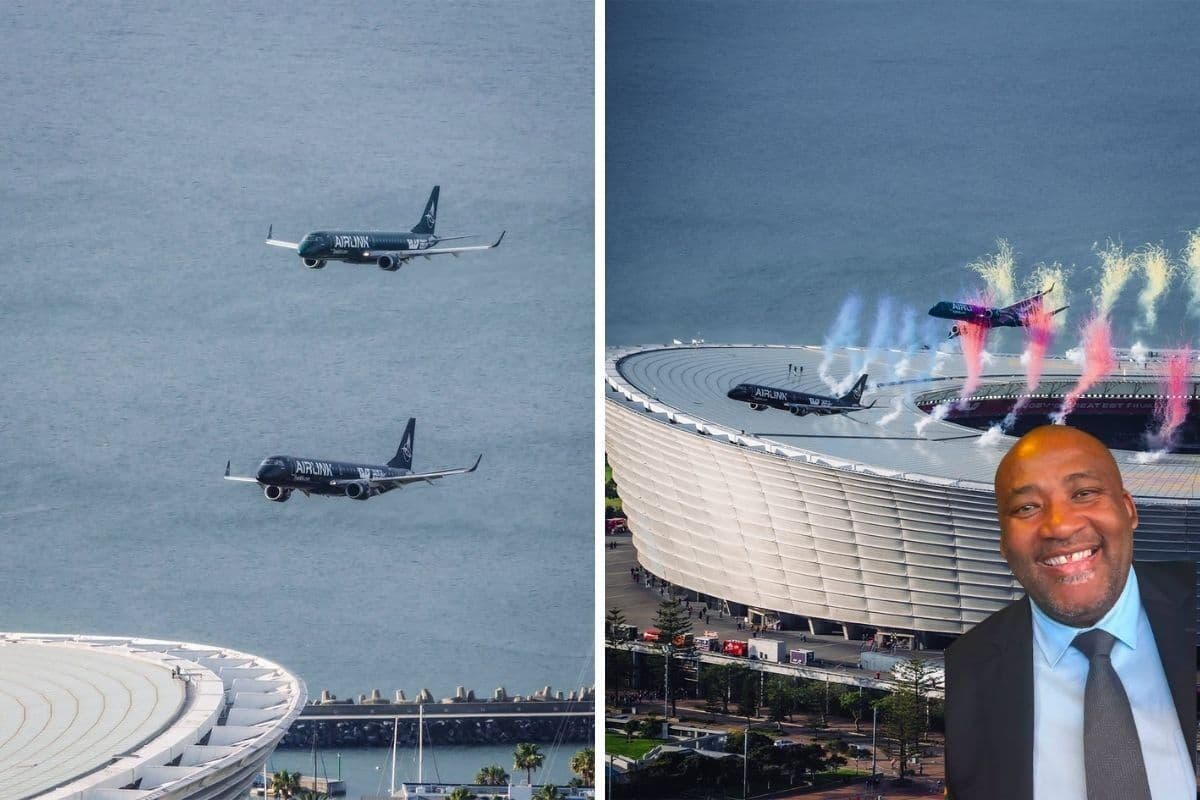
A controversial aerial display at Cape Town’s DHL Stadium has thrust South African sports culture into the global spotlight, prompting a firm defence from public figure Gayton after the event triggered international backlash. Reports emerging on 30 August 2026 reveal that a low-altitude flyover performed by a commercial Airlink aircraft has sparked widespread debate both locally and abroad. While stadium flyovers are a deeply ingrained tradition in South African sporting history, this specific demonstration has drawn sharp criticism from international observers, forcing local authorities and representatives to address the growing controversy.
The event in question involved an Airlink-branded aircraft executing a flyover above the DHL Stadium, a premier multi-purpose venue in Cape Town known for hosting major sporting fixtures and entertainment events. The sight of a large commercial passenger plane flying low over a packed stadium is a spectacle designed to generate excitement and patriotism. However, the immediate aftermath of this particular flyover was marked by a wave of negative international headlines, raising questions about safety protocols, environmental considerations, and the appropriateness of such displays in the modern era.
In response to the mounting international scrutiny, Gayton has publicly defended the Airlink flyover, standing by the decision to proceed with the aerial display. While the exact statements and specific arguments used in this defence have not been fully disclosed in the initial reports, the move highlights a clear divide between local organisers and international critics. The defence of the flyover suggests that local stakeholders view the event as a harmless and spectacular celebration, rather than the hazard or nuisance that some foreign commentators have portrayed it to be.
To understand the significance of this dispute, one must look at the unique cultural context of aviation displays in South African sports. The nation has a long history of spectacular stadium flyovers, most famously exemplified by the South African Airways Boeing 747 flyover before the 1995 Rugby World Cup final at Ellis Park. For decades, these displays have been viewed as symbols of national unity and technical precision. Consequently, local audiences often react with pride to these events, making the international backlash a surprising turn of events for many South Africans.
Despite the intense public interest, several key details surrounding the international backlash remain unclear. Current reports have not specified the exact nature of the foreign criticism—whether it stems from aviation safety regulators, environmental advocacy groups concerned about carbon emissions, or international visitors startled by the low-altitude flight. Furthermore, it remains to be seen whether any formal complaints have been lodged with the South African Civil Aviation Authority (SACAA) or if the flight adhered to all standard pre-authorisation protocols. The lack of detailed public disclosures leaves room for speculation, which local authorities will likely need to address to clear the air.
The involvement of Airlink, a major regional carrier, adds a significant corporate dimension to the controversy. For airlines, stadium flyovers are high-profile marketing opportunities designed to showcase brand strength and operational capability. However, when such events attract international condemnation, the resulting publicity can become double-edged. For the operators of the DHL Stadium, hosting events that draw negative international press poses a challenge to maintaining the venue's reputation as a world-class, safe, and modern facility.
As the story develops, observers will be watching closely to see if Airlink or the civil aviation authorities release official flight data or safety clearances to justify the flyover. Additionally, the ongoing dialogue between local defenders like Gayton and international critics will likely shape the future of aerial displays at South African sporting events. Whether this backlash will lead to stricter regulations or the outright cessation of commercial flyovers at metropolitan stadiums remains a critical question for South Africa's sports and aviation sectors.
Reporting record
How this story was produced
This article was AI-generated from the frozen trend evidence and passed deterministic quality and safety gates. No cross-provider evidence review or independent human verification is claimed for this record.
- Byline
- Newstrends AI Newsroom
- First published
- Last material update
- No later material update recorded
- Distinct source identifiers
- 1 retained source identifier
Frozen source links for this publication
Chronology
Story timeline
A generated chronology for orientation; dates and details may require source verification.
Update
Reports emerge detailing Gayton's defence of the Airlink flyover at DHL Stadium following international backlash.
Reader file
Frequently asked questions
01What is the controversy surrounding the Airlink flyover?
An Airlink commercial aircraft performed a low-altitude flyover at Cape Town's DHL Stadium, which was met with negative international headlines and criticism, sparking a public debate.
02Who defended the Airlink flyover?
The flyover was publicly defended by Gayton, who stood by the event despite the international backlash.
03Why do stadium flyovers happen in South Africa?
Low-altitude stadium flyovers are a long-standing tradition in South African sports, often used to build patriotism and celebrate major national sporting events.
Keep reading
Related coverage
More published reporting connected to this story.

Airlink Flyover at DHL Stadium Sparks Debate Over Low-Altitude Manoeuvre During Springboks Clash
An Airlink flyover at Cape Town's DHL Stadium during a Springboks versus All Blacks match has gone viral, sparking debate over safety. Onlookers questioned if the aircraft flew dangerously low over the venue. Official details regarding flight telemetry and regulatory approvals remain unconfirmed.

Airlink flies displaced hermit crab home from Johannesburg to East London
In an unusual viral rescue story, regional airline Airlink has flown a displaced hermit crab from landlocked Johannesburg back to its coastal home in East London.

Giant Corn Flakes Bowl in Cape Town Streets Leaves Mzansi in Stitches
A viral video of a giant corn flakes bowl on the streets of Cape Town has taken South African social media by storm. The unusual display has left locals highly amused, though the creators behind the spectacle remain unconfirmed.

Layla Kolbe Sparks Debate After Questioning South African All Blacks Supporters
Layla Kolbe, wife of Springbok star Cheslin Kolbe, has ignited a national conversation after describing the phenomenon of South Africans supporting the New Zealand All Blacks as 'a little sad'.

Elton Jantjies Expresses Gratitude to Gayton McKenzie Amid Ongoing Doping Ban Controversy
Former Springbok flyhalf Elton Jantjies has publicly thanked Gayton McKenzie for his support. The interaction comes as Jantjies continues to navigate his professional doping ban, sparking widespread public interest across South Africa.