Airlink flies displaced hermit crab home from Johannesburg to East London
In an unusual viral rescue story, regional airline Airlink has flown a displaced hermit crab from landlocked Johannesburg back to its coastal home in East London.
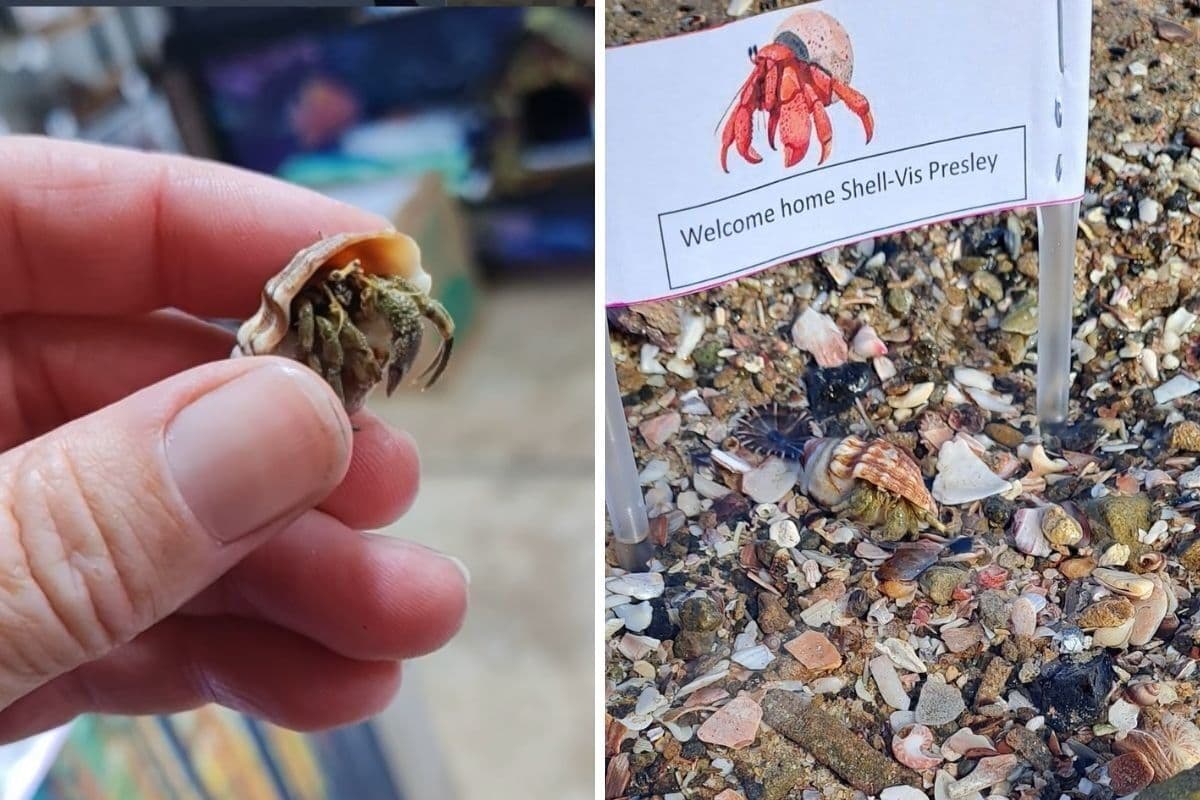
In an unusual turn of events that has captured the hearts of South Africans, regional airline Airlink has successfully transported a tiny, displaced traveler back to its natural coastal home. A hermit crab, which somehow found itself in the landlocked, bustling metropolis of Johannesburg, was flown to the coastal city of East London in the Eastern Cape. This remarkable journey has quickly become a viral sensation across the country, showcasing a lighter and more compassionate side of domestic aviation.
According to reports published on 16 August 2026, the hermit crab’s flight marks a rare instance of a commercial airline facilitating the relocation of a single, small marine invertebrate. While the exact details of how the crustacean managed to travel hundreds of kilometres inland to Gauteng remain unclear, the primary focus of the mission was ensuring its safe return to an environment where it could survive and thrive.
The geographical contrast between the two locations highlights the necessity of the flight. Johannesburg, situated on the highveld of South Africa, is entirely devoid of the marine conditions required for a hermit crab's survival. These creatures rely on high humidity, access to saline water, and suitable shells to protect their soft abdomens. East London, located along the Eastern Cape's coastline, offers the perfect natural ecosystem, characterized by rocky shores, sandy beaches, and temperate waters.
Airlink, which operates a robust network of domestic and regional flights across Southern Africa, served as the facilitator for this unique repatriation. The airline frequently connects Johannesburg's OR Tambo International Airport with King Phalo Airport in East London. While the carrier routinely handles cargo and standard passenger travel, welcoming a hermit crab on board represents an extraordinary departure from daily operations, demonstrating the unexpected ways logistics networks can support wildlife preservation.
At this stage, several details surrounding the logistics of the journey remain unconfirmed. It is currently unknown who first discovered the hermit crab in Johannesburg, which conservation group or individual coordinated the rescue, or how the animal was safely packaged to meet strict aviation safety and biological standards. Additionally, the specific flight number and the exact location of the crab’s release back into the wild have not been publicised.
Despite these missing details, the story has resonated deeply with the South African public, rapidly circulating under viral news categories. In a country where community-led conservation efforts are highly valued, the collaboration required to fly a single small creature home is seen as a heartwarming victory. It highlights a growing public interest in animal welfare and the lengths to which individuals and corporations will go to protect even the smallest members of the local ecosystem.
The incident also brings attention to the strict regulations governing the transport of live animals on South African flights. Domestic carriers must adhere to civil aviation authority guidelines and environmental legislation to prevent the unauthorized movement of species. The successful execution of this flight suggests that all necessary biosecurity and safety protocols were met, ensuring the hermit crab did not pose any risk to the aircraft or its passengers during the journey.
Looking ahead, conservationists hope this viral event will raise awareness about the accidental displacement of coastal wildlife. Tourists visiting South African beaches are often reminded not to collect shells that may still house living organisms, as these animals can easily be transported inland by mistake. For now, this fortunate hermit crab is back where it belongs, crawling along the Eastern Cape shorelines thanks to an unexpected flight home.
Reporting record
How this story was produced
This article was AI-generated from the frozen trend evidence and passed deterministic quality and safety gates. No cross-provider evidence review or independent human verification is claimed for this record.
- Byline
- Newstrends AI Newsroom
- First published
- Last material update
- No later material update recorded
- Distinct source identifiers
- 1 retained source identifier
Frozen source links for this publication
Chronology
Story timeline
A generated chronology for orientation; dates and details may require source verification.
Update
Reports emerge detailing Airlink's successful flight transporting a displaced hermit crab from Johannesburg to East London.
Reader file
Frequently asked questions
01How did the hermit crab get to Johannesburg?
It remains unclear how the hermit crab was originally transported from the coast to landlocked Johannesburg before its rescue.
02Which airline transported the hermit crab?
The hermit crab was flown from Johannesburg to East London by the regional South African airline Airlink.
03Where was the hermit crab released?
While the exact release location has not been publicised, the crab was flown to East London to be returned to its natural coastal environment.
Keep reading
Related coverage
More published reporting connected to this story.

Eastern Cape Couple Treats Six-Year-Old Daughter to Magical Snow Experience in Viral Video
A heartwarming video of an Eastern Cape couple introducing their six-year-old daughter to snowfall has gone viral online. The footage captures a rare family moment during the South African winter season, sparking widespread interest.

Danny K’s Wife Lisa Koppel Praised for Strength and Bravery Amid 'Brutal' Health Battle
Reports have emerged highlighting the strength and bravery of Lisa Koppel, wife of South African musician Danny K, during a challenging health battle. The news has sparked widespread support from the public as fans rally behind the family.

Jayden Adams' Other Baby Mama Claps Back at 'Side Chick' Label in Viral South African Dispute
The other baby mama of Jayden Adams has publicly rejected the 'side chick' label in a developing story that has captured the attention of South African social media users. The dispute highlights ongoing online debates about relationship dynamics and modern co-parenting.
Allan Boesak Sparks National Debate with Call to Rename South Africa 'Azania'
Prominent anti-apartheid figure Allan Boesak has called for South Africa to be officially renamed 'Azania'. The proposal has sparked a viral debate online, highlighting ongoing discussions around national identity and decolonisation.

Jayden Adams’s Partner Shares Touching One-Month Tribute: ‘Hope Heaven Is Treating You Gently’
The partner of Jayden Adams has marked a somber one-month anniversary with a poignant online tribute. The heartfelt message has sparked a wave of sympathy and collective grief among South African readers.